Welcome to another edition of the daily curation highlighting the finest discussions, historical reflections, and noteworthy moments circulating across the literary internet. Today’s digital landscape offers a rich tapestry of reading recommendations, author retrospectives, and deep dives into the archives of publishing history, reminding us once again of the enduring power of the written word in contemporary culture.
As readers and writers navigate the ever-expanding digital sphere, platforms dedicated to books continue to unearth fascinating cultural touchstones, forgotten milestones, and compelling debates that shape our understanding of literature past and present. Today’s literary web brings a special focus to historical remembrance, marking significant anniversaries and shedding light on the lives of pioneering figures who paved the way for modern storytelling and international journalism.
Remembering Jessie Catherine Couvreur: A Literary Pioneer
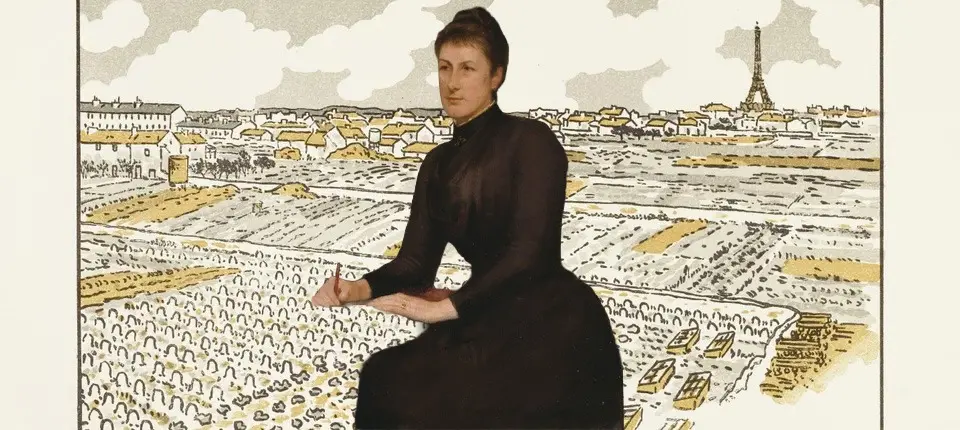
In historical milestones noted across the literary web today, we remember the life and legacy of Jessie Catherine Couvreur, who passed away on this day in 1897. Couvreur, a remarkably prolific and adventurous Victorian-era novelist, journalist, and translator, left an indelible mark on the transnational literary landscape of the late nineteenth century. Best known under her enduring literary pseudonym Tasma, she captured the imaginations of readers across continents with vivid, psychologically acute portrayals of colonial life in Australia, blending acute social observation with deeply human narratives.
Born in London and raised largely in Hobart, Tasmania, Couvreur’s life was defined by travel, cultural exchange, and an unwavering commitment to her craft. Her journey from the Australian colonies to the intellectual salons of Europe exemplifies the dynamic mobility of nineteenth-century writers who bridged vast geographical divides. Through works such as Uncle Piper of Piper’s Hill and Not in the Public General, she introduced European audiences to the complexities, beauties, and isolation of the Australian landscape, challenging conventional Victorian tropes and expanding the thematic boundaries of English-language fiction.
Beyond her celebrated fiction, Couvreur was a formidable journalist and an astute observer of European politics. Fluent in multiple languages, she spent significant portions of her later life in Brussels, where she served as a foreign correspondent and cultural ambassador, reporting on European affairs with clarity and intellectual rigor. Her multifaceted career demonstrated a rare synthesis of creative storytelling and journalistic integrity, earning her the respect of prominent literary figures of her era.
Today, as literary historians and digital archivists revisit her contributions, Couvreur remains a vital figure for understanding the intersections of gender, geography, and imperialism in nineteenth-century literature. Her ability to navigate the complex social codes of both colonial Australia and fin-de-siècle Europe continues to fascinate scholars who study the global circulation of texts during a period of rapid modernization and shifting imperial boundaries.
Navigating Today’s Digital Literary Landscape
The remembrance of figures like Couvreur highlights a broader trend across the literary internet: a sustained commitment to recovering marginalized or under-read voices from literary history. Across digital literary journals, essays, and scholarly blogs, contemporary critics are increasingly turning their attention to the archives, unearthing forgotten texts and re-evaluating the canons that have long dominated academic and public discourse.
In addition to historical retrospectives, today’s digital literary sphere is buzzing with vibrant conversations about contemporary releases, translation trends, and the evolving economics of publishing. Readers engaging with online literary communities continue to champion works in translation, independent presses, and boundary-pushing debut authors who are redefining genres from poetry to speculative fiction. Digital platforms have transformed how readers discover books, fostering decentralized global book clubs, virtual author events, and intricate peer-to-peer recommendation networks that thrive outside traditional institutional channels.
As the literary internet continues to chronicle the intersections of past archives and present-day creativity, readers are invited to reflect on how literature preserves our collective memory. Whether through the rediscovery of a nineteenth-century expatriate novelist or the spirited debates surrounding today’s most anticipated releases, the digital literary space remains a vital meeting ground for anyone passionate about the enduring art of storytelling.