
Some older video games certainly show their age, featuring rough mechanics, frustrating design choices, or rigid stage layouts that make them difficult to enjoy by contemporary standards. Yet, others hold up remarkably well, maintaining a level of design purity where the absolute most a player might ask for is a slight resolution adjustment or a few minimal quality-of-life improvements. Beyond those minor tweaks, they remain virtually flawless. Nintendo’s rich history is particularly full of such titles—classics so brilliantly constructed that they never truly need a remake. Instead, keeping them accessible on modern platforms is more than enough, as they remain thoroughly entertaining exactly as they are.

Super Mario World
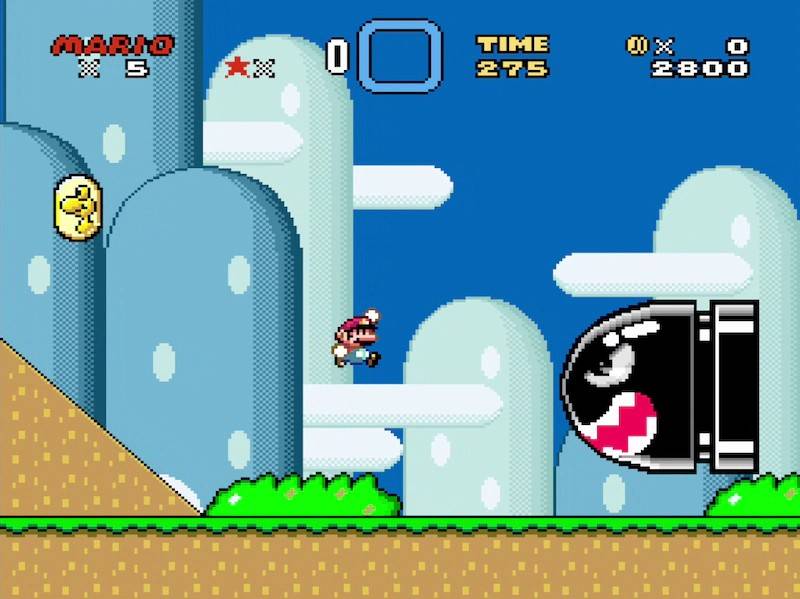
Releasing on November 21, 1990, alongside the launch of the Super Nintendo Entertainment System, Super Mario World served as a technical and creative revelation. Designed as a pack-in title to showcase the capabilities of the new 16-bit hardware, the game utilized advanced graphical features like sprite scaling and fluid parallax scrolling. Players could utilize a shoulder button on the controller to make Mario look ahead and spot upcoming environmental hazards before they arrived on screen, while the color palette delivered richer, more varied environments than anything seen on previous consoles.
Exploring Dinosaur Land proved to be a persistent joy, anchored by design choices that went far beyond mere technical achievement. The stages were meticulously packed with hidden secrets, including alternate exits that unlocked major shortcuts or led players to secret regions like Star Road and the Special Zone. Movement mechanics offered unprecedented freedom, allowing players to control Mario’s flight speed so he could gently glide through the air or execute precise dive-bombs on enemies. Furthermore, the introduction of the dinosaur companion Yoshi provided distinct new capabilities. While modern artists attempting a contemporary update might incorporate more detailed backgrounds and visual depth, the game requires no such enhancements to captivate audiences today.

The Legend of Zelda: A Link to the Past
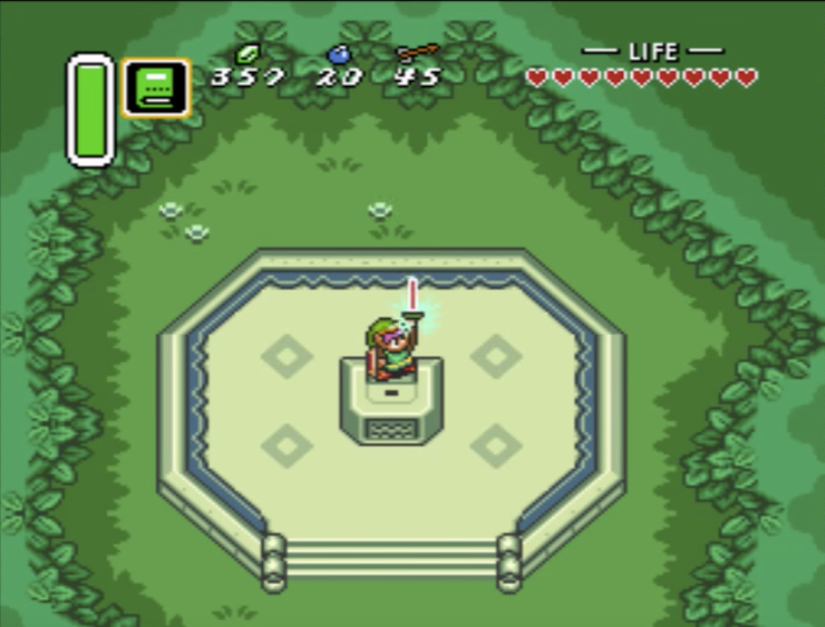
While conversation among franchise fans frequently turns toward 3D milestones like The Legend of Zelda: Ocarina of Time—remembered for pioneering moments like stepping into the Great Deku Tree or navigating the twisting corridors of the Forest Temple—longtime players often look back even further for the series’ definitive highlights. The Legend of Zelda: A Link to the Past, released on November 21, 1991, established an atmospheric standard from its very opening, transforming a dramatic evening rainstorm into a desperate plea from Princess Zelda to save her from an evil wizard’s dungeon.
The title introduced players to a vibrant, populated village in Hyrule before pulling back the curtain to reveal its corrupted mirror image in the Dark World. Dungeons relied on smart, strategic puzzle-solving rather than simple trial-and-error block pushing, forcing players to navigate multi-level catwalks, drop through pits to reach lower floors, and trigger switches that dynamically altered room geometry. Although rendered in two dimensions, every location felt tangible and lived-in. Subtle animations, such as an arrow visibly vibrating after embedding itself in a wall, demonstrated the deep level of care put into its creation. While a thoughtful modern update could theoretically elevate these elements, the foundational design remains so fundamentally sound that returning to this version of Hyrule always feels rewarding.
Super Mario Kart
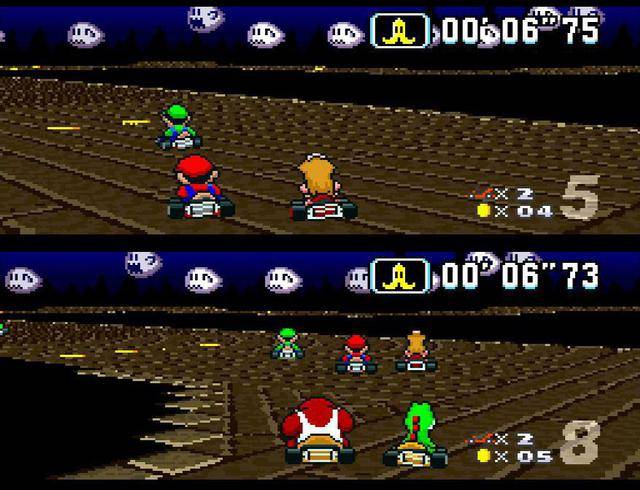
Long before ongoing debates regarding newer franchise entries dominated gaming discussions, the original Super Mario Kart, released on August 27, 1992, laid the groundwork for an entire genre that would eventually become a cornerstone of Nintendo hardware launches. Despite its age, the pioneering kart racer established distinct handling differences between characters and vehicle frames that felt impactful and deliberate. Heavyweights like Bowser and Donkey Kong Jr. required momentum on straightaways, while agile racers like Koopa and Toad could dart through tight corners, collecting coins and shaving crucial milliseconds off their lap times.
The track designs offered flat, readable environments where players could easily anticipate upcoming turns, turning minor shortcut execution into high-stakes competition where a half-second advantage determined victory. Without the intrusive rubberbanding artificial intelligence or punishing balancing items like the blue shell that would define later sequels, the original game focused squarely on driving precision. Though many of these classic courses have returned in subsequent releases as downloadable content and bonus tracks, experiencing them in their original context reveals a distinct charm that remains unmatched.
Super Mario Bros. 3
Widely regarded as the pinnacle of 2D platforming, Super Mario Bros. 3, released on October 23, 1988, approaches near-perfection in game design. While Nintendo previously attempted a remake via Super Mario All-Stars—introducing updated backgrounds alongside slightly altered physics that made Mario’s movement feel marginally more deliberate—the original release exemplifies how strong design transcends mere graphical fidelity. The game famously opened with a theatrical red curtain lifting on a stage performance, framing the adventure as a play complete with bolted platforms.
The Mushroom Kingdom displayed unprecedented environmental variety, transitioning seamlessly from the open prairies of the first world to icy tundra, aquatic wonderlands, and pipe-filled mazes crawling with dangerous piranha plants. Each world featured unique hazards and gameplay mechanics that kept the experience fresh from start to finish. Alongside the platforming action, the multiplayer component offered rich competitive and cooperative incentives, allowing players to challenge one another for stage progression or explore branching paths across the world map. Maintained faithfully through digital services with additional archival content, Super Mario Bros. 3 proves that its timeless design requires no alterations to remain extraordinary.
Super Metroid
Venturing onto the hostile alien planet Zebes as bounty hunter Samus Aran in Super Metroid, released on March 19, 1994, delivers an unmatched atmosphere of isolation and discovery. Beneath the unforgiving surface lies a labyrinthine network of caverns, shafts, and alien installations leading ultimately toward a confrontation with the Mother Brain. The title famously lived up to its ambitious promotional campaigns by immersing players in meticulously crafted environments that balanced oppressive dread with rewarding exploration.
Navigating through quiet, seemingly empty corridors regularly gave way to intense encounters with hostile alien life forms. Every major victory and acquired power-up expanded Samus’s capabilities, allowing players to delve deeper into a remarkably cohesive world that significantly expanded upon its predecessor. Nothing within Super Metroid feels outdated or broken. The pixel art retains its striking visual clarity, the haunting soundtrack perfectly complements the subterranean exploration, and the intricate level design continues to offer a masterclass in non-linear progression. The planet Zebes remains as inviting today as it was decades ago, proving that true masterpieces stand entirely on their own merits without ever requiring a remake.