In August 2018, long-time GOP media consultant Rick Wilson published a prominent book bearing the blunt title Everything Trump Touches Dies. Within its pages, Wilson argued that aligning with Donald Trump and the modern MAGA movement inevitably brings ruin to the reputations, professional careers, and stability of the individuals and institutions that choose to hitch their wagons to it. In recent days, that core warning has been brought sharply into the modern political conversation through separate essays published on Substack by economist Paul Krugman and historian Heather Cox Richardson, both of whom examine how a politically cornered administration could reshape domestic stability and international alliances.
The Escalation Trap
Paul Krugman based much of his recent analysis on the writings of Robert Pape, author of the Substack publication Escalation Trap. Pape argues that as the likelihood of losing control of the House of Representatives—and potentially the Senate—grows increasingly apparent, Donald Trump is becoming more politically dangerous than ever before.
Krugman elaborated on this phenomenon by drawing parallels to failing corporate entities. He noted that the owners of businesses on the verge of total collapse frequently engage in intensely destructive behavior because they essentially have nothing left to lose. According to Krugman, Trump is rapidly approaching a form of bankruptcy, though it is political rather than financial.
"Pape’s argument is basically a version of the phenomenon often called ‘gambling for resurrection,’" Krugman wrote. When a company stands on the edge of failure, the owner often finds it logical to make highly speculative, even reckless investments that carry an overwhelming probability of failing, but which might—against all odds—generate enough success to pull the operation back from the brink. For the individual running the enterprise, the logic is essentially a heads-I-win, tails-my-creditors-lose proposition.
In the political arena, all current indicators suggest that Trump’s party is heading toward a sharp defeat in the upcoming midterm elections. While a typical president might manage to govern alongside a Congress controlled by the opposing party, the immense volume of corruption and executive malfeasance over the preceding two years means that Democratic control of Capitol Hill—and the sweeping subpoena and investigative powers that accompany it—would carry catastrophic consequences for Trump and his inner circle.

Consequently, Krugman argues, Trump possesses a profound incentive to execute drastic measures designed to completely disrupt the electoral landscape. Launching a military conflict, such as an attack on Iran, might ultimately exacerbate Republican losses overall, but it could theoretically provide just enough fuel to rally his core base and alter the trajectory of the election. While a leader primarily concerned with the welfare of the United States would reject disastrous policies for a mere slim chance at political self-preservation, analysts note that the underlying behavior aligns with Trump’s established patterns.
Things Have Changed
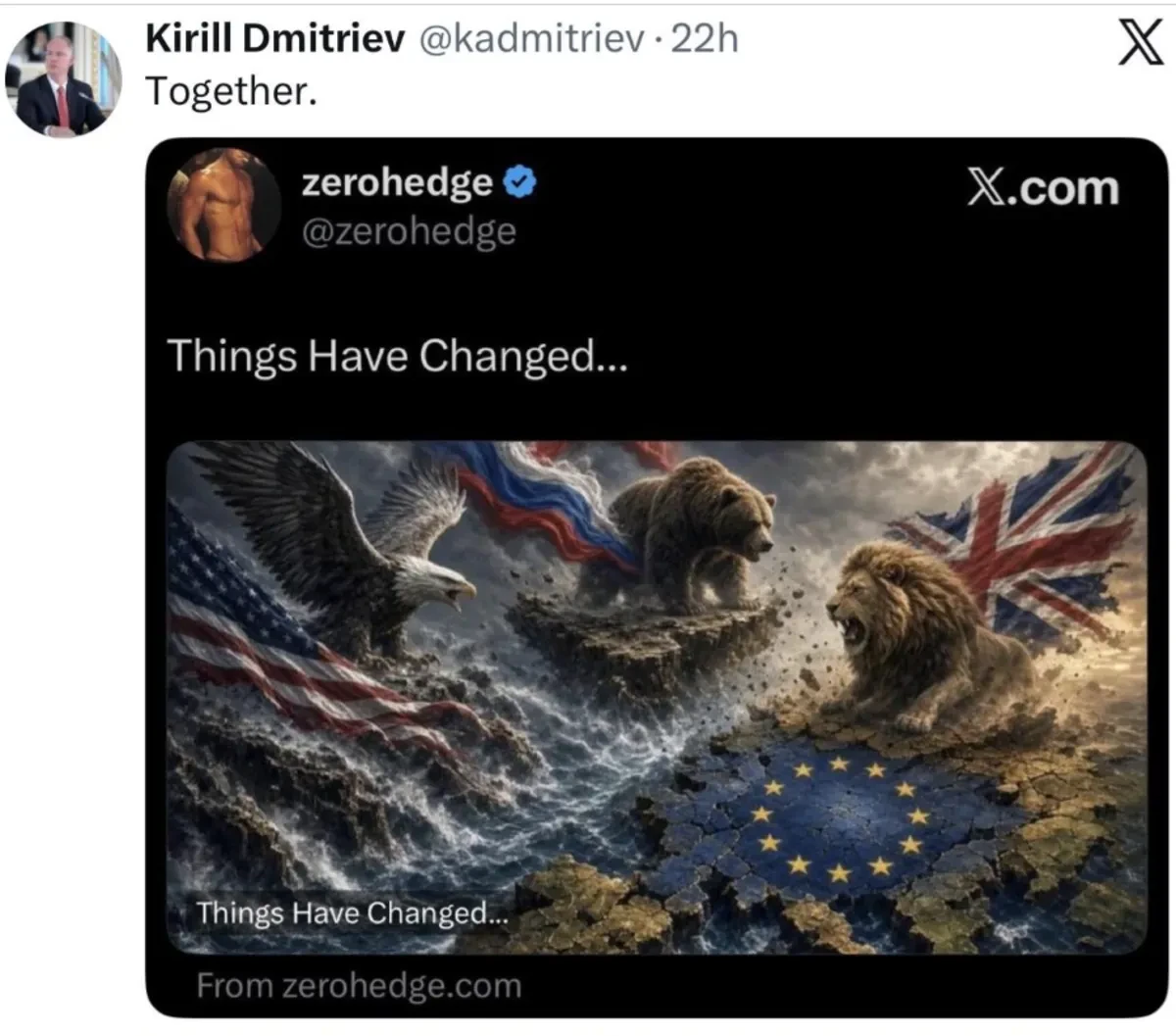
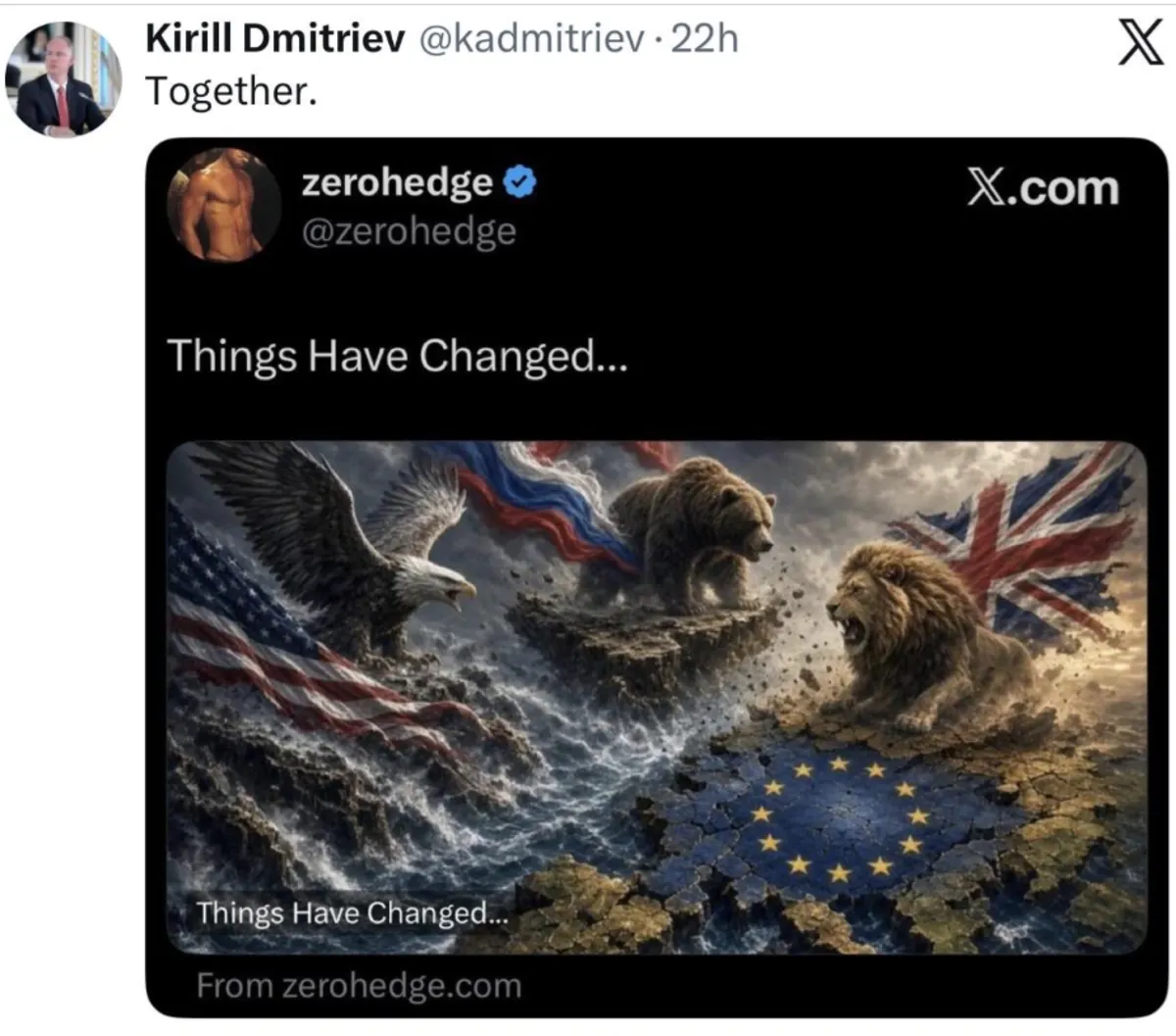
The international implications of this political vulnerability are equally stark. According to reports from the Wall Street Journal highlighted by Heather Cox Richardson, Russian President Vladimir Putin has proposed a high-stakes meeting for the coming month involving both Trump and Chinese President Xi Jinping to determine the ultimate fate of Ukraine.
The reporting indicates that a three-way summit featuring the leaders of China, the United States, and Russia would effectively cement Russia’s status as one of the world’s premier global superpowers—a long-sought objective for Putin since he first assumed power in the Kremlin in 2000. Furthermore, such a summit would formally acknowledge that the United States had fundamentally severed its ties with Europe to align itself directly with Moscow, serving Putin’s central ambitions as he attempts to seize control of Ukraine.
"After ten years of Trump insisting that reports of his cooperation with Russia were a hoax, here we are, watching one profoundly unpopular man tear apart the global system under which we have lived for eighty years in order to climb into bed with Vladimir Putin," Richardson observed.
Abandoning America
Writing in The Atlantic, prominent national security scholar Tom Nichols did not mince words regarding the shift in American posture. "The American commander in chief has abandoned the Western order, the most successful — and powerful — security arrangement in human history," Nichols stated.
Richardson noted that this radical departure from decades of established American foreign policy appears entirely disconnected from the national interests of the United States. Instead, Trump’s actions seem driven by personal affinities, an admiration for autocratic strongmen, a lingering resentment toward Ukrainian President Volodymyr Zelensky, and potentially other motivating factors that have yet to come to light.
Outrage directed at these sweeping foreign policy shifts has emerged from various factions across the political spectrum. Nichols pointed to commentary from former federal prosecutor and conservative writer Andrew McCarthy, who asserted that Trump’s actions are actively providing Putin with "aid and comfort." This phrasing directly invokes Article III, Section 3 of the United States Constitution, which formally defines treason against the nation as levying war against it, adhering to its enemies, or providing them with aid and comfort.
In a blistering article published in the National Review, McCarthy reminded readers that Putin remains a murderous dictator who is actively supporting Iranian military operations against American interests through intelligence sharing and drone technology, while simultaneously provoking U.S. allies within the North Atlantic Treaty Organization. Despite this hostile posture, Trump has chosen to side with Moscow against Ukraine, a recognized U.S. ally. McCarthy subsequently called upon Congress to convene immediate hearings to investigate what he termed a shocking escalation of the Trump-Putin alliance.
A Rat Is Most Dangerous When Cornered
Expanding on the theme of political desperation, Krugman warned that a cornered president may resort to what he defines as "policy looting"—using remaining executive powers to enact policies that are deeply unpatriotic and broadly unpopular, but which satisfy personal preferences and ideological grievances. Stripped of future political prospects, such a figure is free to indulge personal instincts as a malignant narcissist who gravitates toward authoritarian figures and seeks retribution against any perceived threat to his personal grandiosity.
"Anyone who believes Trump will become more cautious, more moderate in the aftermath of midterm defeat just doesn’t understand the new political reality," Krugman wrote. "The truth is that political bankruptcy will free Trump to pursue his true desires. And those desires are horrifying."
Critics argue that left unchecked, this dynamic presents an existential challenge to the American constitutional republic established in 1776. Analysts frequently point out that the United States Supreme Court has significantly enabled and emboldened this centralization of power by embracing a legal doctrine known as the "unitary executive theory"—a concept developed by conservative legal organizations like the Federalist Society that critics maintain lacks a grounding in the original text of the Constitution.
Resisting Tyranny
In her concluding remarks, Richardson reflected on the structural intentions of the nation’s founders and the unforeseen vulnerabilities in the modern political landscape.

The Framers of the Constitution believed they had meticulously constructed a system capable of neutralizing the emergence of a tyrant. They anticipated that U.S. representatives would harbor such a deep fear of the abuse of executive power that they would readily impeach any leader who exceeded statutory authority, and that senators would fiercely guard their institutional prerogatives to ensure tyranny could never take root.
What the Framers failed to adequately anticipate, however, was that lawmakers—particularly senators granted extended terms precisely to insulate them from short-term political pressures—would ultimately place party loyalty far above national interest, standing aside while an executive branch and its appointees gradually absorbed the powers of the legislative branch.
"And yet, here we are," Richardson wrote. "But even given the evidence of the past ten years, it is truly astonishing to see Republicans, who for more than forty years have championed President Ronald Reagan for his stance against the Soviet Union, stand aside as Trump trashes the post–World War II system of global security in order to ally the United States with a Russian dictator."
As political observers continue to evaluate the shifting domestic and international landscape, the warnings from historians, economists, and legal scholars highlight a fragile moment for democratic institutions, leaving the future trajectory of American governance uncertain as the midterm elections draw closer.