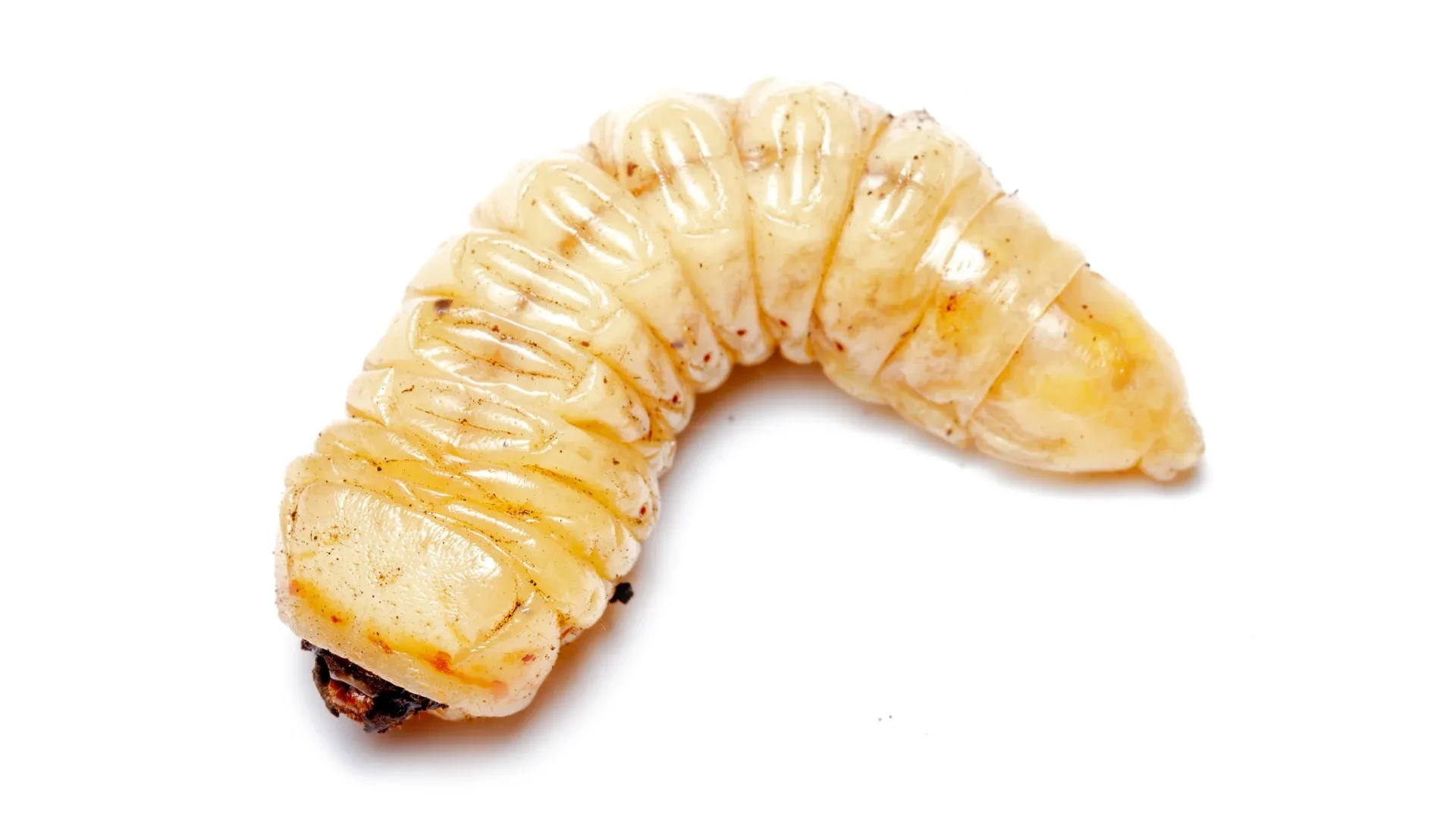
North Carolina’s blueberry industry, a vital component of the state’s agricultural economy, is facing a formidable and long-hidden adversary. For over a decade, growers have grappled with unexplained damage to their blueberry bushes, characterized by deteriorating root systems and, in severe cases, the total loss of plants. While the mystery had persisted since 2010, researchers at North Carolina State University have finally identified the culprit: Prionus imbricornus, a species of longhorn beetle whose larvae dwell silently beneath the soil, systematically consuming the vitality of the bushes from the roots up.
This breakthrough, published in the Journal of Integrated Pest Management, provides a critical foundation for developing management strategies against a pest that has largely operated in the shadows. By confirming the identity of the insect, entomologists have moved from a state of diagnostic uncertainty to a clearer path toward protecting one of North Carolina’s most important specialty crops.
A Decade-Old Mystery Beneath the Soil
The challenge of identifying the perpetrator was rooted in the creature’s biology. Prionus imbricornus, a member of the Cerambycidae family, is a wood-boring insect easily recognized by its long, prominent antennae. However, the damage occurs during the larval stage, which is spent almost entirely underground. Female beetles typically deposit their eggs in the soil near the roots of hardwood trees. Once the larvae hatch, they begin their destructive work, feeding on root tissue. These larvae can grow to an impressive size, reaching up to five inches in length, and are capable of inflicting enough trauma to kill a mature, established bush.
The difficulty in identifying this specific pest was twofold. First, the subterranean lifestyle of the larvae makes them exceptionally elusive; they are rarely seen by farmers or researchers until the damage to the plant is already advanced and visible above ground. Second, the larval forms of various longhorn beetle species are morphologically similar, often appearing nearly identical to the untrained eye. For years, this visual similarity led to confusion, as growers and agricultural experts struggled to differentiate between species that might be benign and those that were actively lethal to blueberries.
Kenneth Geisert, a graduate student in the College of Agriculture and Life Sciences at NC State and the lead author of the study, emphasized that this lack of clarity created a significant hurdle for effective pest management. "Before now, researchers often just assumed the species of Prionus on their commodities based on adult identification," Geisert explained. The consequences of such assumptions were potentially grave.
"If that guess was incorrect, it could mean using a treatment strategy that did not line up with the problem and incorrectly associating species and their hosts," Geisert continued. "For instance, while P. imbricornus attacks roots, another type of longhorn beetle might attack the trunk of a tree, or dead branches. Without knowing which species of beetle you’re dealing with and their ecology, incorrect management can cause adverse effects on non-target insects."
DNA Analysis Decodes the Threat
To resolve the ambiguity, the research team launched a comprehensive fieldwork initiative spanning six blueberry farms across North Carolina, specifically targeting Pender, Sampson, Bladen, and New Hanover counties—areas where the industry is heavily concentrated. The methodology required a combination of traditional field trapping and modern molecular science.
The researchers deployed black panel traps embedded with synthetic sex pheromones. These chemical attractants are designed to mimic the natural signals used by the beetles to locate mates, effectively drawing adult Prionus beetles into the traps. By capturing the adults, the team was able to verify which species were present in the immediate environment of the affected blueberry fields. However, the critical step was linking those adults to the larvae found destroying the root systems.
To bridge this gap, the team employed genetic barcoding, a sophisticated technique that analyzes standardized sections of an organism’s DNA. By comparing the genetic sequences of the mysterious root-dwelling larvae against the reference sequences established from the adult beetles caught in the traps, the researchers were able to achieve a definitive match. The results were stark: the analysis produced a 98 to 99 percent genetic match with P. imbricornus. This confirmed, for the first time, that this specific species was indeed the organism responsible for the root damage documented in North Carolina’s blueberry fields.
Navigating a Future Without Approved Insecticides
While the identification of P. imbricornus is a scientific milestone, it has brought to light a sobering reality for North Carolina’s agricultural sector. The confirmation of the pest has highlighted a severe lack of regulatory and chemical tools currently available to combat it.
Lorena Lopez, an assistant extension professor in NC State’s Department of Entomology and Plant Pathology and a co-author of the study, described the discovery as a bittersweet moment. "On one hand, it’s very important that we know which species we’re dealing with," she said. "On the other, North Carolina was the first state to ever report Prionus infestation in blueberries, and there are no insecticides currently labeled against this pest in blueberries."
The absence of labeled, approved insecticides means that growers currently have very few options to protect their crops from these underground larvae. The regulatory process for labeling pesticides is rigorous and time-consuming, requiring extensive testing to ensure efficacy, safety, and compliance with environmental standards. Without a specific label for P. imbricornus in blueberries, farmers have been essentially flying blind, lacking the targeted chemical interventions necessary to stop an infestation before it leads to total crop loss.
In response, the research team is moving forward with proactive testing to identify potential management solutions. Dr. Lopez and her colleagues have initiated trials to determine which insecticides might be effective in controlling the beetle population. A central focus of this research is the timing of applications. By syncing treatment strategies with the specific reproductive cycles of P. imbricornus, researchers hope to disrupt the larvae before they can establish themselves or inflict extensive damage on the root systems.
The goal is to develop a strategy that is not only effective but also sustainable, ensuring that any intervention does not inadvertently harm the broader ecosystem or the non-target insects that play a role in the health of the farm. The research, which also involved contributions from Gareth Powell, an assistant professor at NC State and director of the NCSU Insect Museum, marks the beginning of a new chapter in protecting North Carolina’s blueberries. As the team continues their work, they hope to provide growers with the tools and knowledge necessary to mitigate the threat of this long-hidden pest, ensuring the long-term viability of the state’s blueberry industry.