Welcome to the daily roundup of the finest literary discussions, historical reflections, and cultural happenings circulating across the digital landscape. In the world of letters, every single day offers an opportunity to look back at the monumental figures who shaped our intellectual heritage, examine contemporary debates, and explore the myriad ways writers continue to influence modern society through essays, poetry, fiction, and critical theory.
Today’s literary landscape brings us to a significant historical milestone that invites readers and scholars alike to pause and reflect on one of the most vital voices in modern American letters. As cultural enthusiasts navigate the vast expanse of the literary internet, today’s digital discourse is richly informed by the enduring legacy of a thinker who redefined how we understand the intersections of race, gender, class, and love.
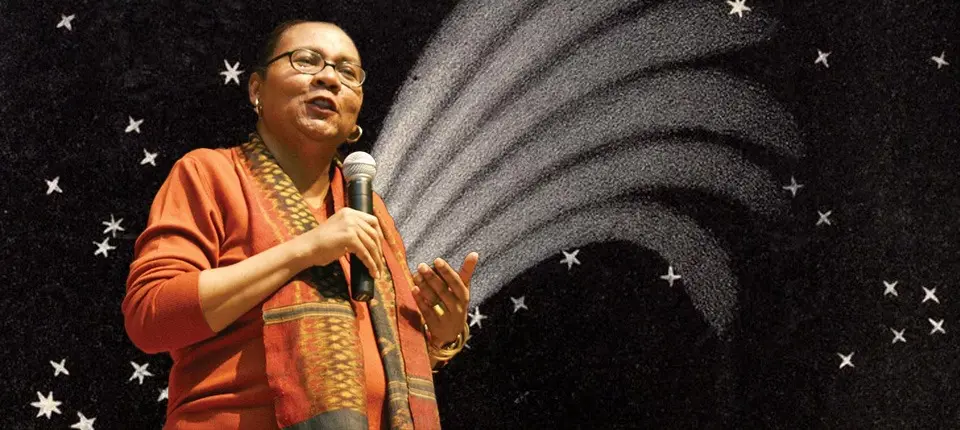
In literary history, today marks a profoundly significant anniversary. In 1952, bell hooks—born Gloria Jean Watkins—was born in Hopkinsville, Kentucky. An author, cultural critic, feminist theorist, and poet, hooks would grow up to become one of the most prominent public intellectuals of her generation, leaving behind a vast body of work that continues to resonate across classrooms, community organizations, and reading groups worldwide.
Her life and career remain a cornerstone of contemporary discussions on the literary internet, where readers frequently revisit her profound insights on love, pedagogy, and systemic oppression. From her groundbreaking 1981 book Ain’t I a Woman? Black Women and Feminism to her accessible explorations of cultural criticism in works like All About Love, hooks challenged readers to think deeply about the structures that govern everyday life. Her insistence that theory should be accessible and practical—meant to be lived and applied rather than locked away in academic ivory towers—transformed the way generations approach social justice and personal healing.
As literary platforms and cultural commentators mark this date, reflections on her enduring influence circulate widely online. Articles, essays, and archival interviews dedicated to her memory highlight the ongoing relevance of her ideas in an increasingly digital and polarized world. Writers and critics across various platforms continue to examine how her frameworks for radical openness, community building, and critical thinking can guide contemporary conversations about art, politics, and human connection.
Beyond individual anniversaries, the broader literary internet remains a vibrant space for intellectual exchange, housing everything from deep-dive critical essays and digital literary journals to community-driven book clubs and author interviews. Platforms dedicated to books and publishing continuously highlight the voices shaping today’s literary conversation, ensuring that the written word remains at the center of cultural life.
Today’s digital literary offerings remind us of the power of storytelling and critical inquiry to bridge divides and foster meaningful dialogue. Whether through revisiting foundational texts from visionary thinkers like bell hooks or engaging with the latest developments in contemporary publishing, the literary internet serves as a dynamic archive of human thought, ever-expanding and deeply rooted in the pursuit of truth, empathy, and understanding.