While there are still a few years left before the decade concludes, the 2020s have already established themselves as a remarkably rich and vibrant era for science fiction cinema. Across major franchises, independent productions, and blockbuster adaptations, filmmakers have continuously pushed the boundaries of storytelling, visual effects, and philosophical inquiry.
The Dune films stand out as arguably the biggest highlight of this cinematic wave. Director Denis Villeneuve has finally brought the proper, breathtaking scale to Frank Herbert’s seminal novels from the 1960s, creating an immersive universe that has captivated both critics and mainstream audiences. Meanwhile, the superhero sub-genre of sci-fi has evolved significantly. While the 2010s were undeniably a golden era for comic book films—particularly under the banner of Marvel Studios—the current decade has still delivered monumental breakout hits. Films such as Deadpool & Wolverine, James Gunn’s rebooted Superman, and record-breaking Spider-Man releases have continued to dominate the global box office. Even outside the realm of sprawling franchise filmmaking, standalone and non-franchise sci-fi projects have managed to achieve critical and commercial greatness, exemplified by the highly anticipated adaptation of Project Hail Mary.
Naturally, a massive part of the enduring success and cultural impact of these films lies in their scripts. The dialogue forms the emotional and philosophical backbone of these futuristic worlds, prompting a retrospective look at the best sci-fi quotes of the decade thus far. Selecting these lines is a subjective exercise, leaving plenty of room for debate among cinephiles. As the remainder of the 2020s unfolds, it is entirely possible—and even expected—that at least a couple of these memorable quotes will be eclipsed by new classics. But for now, these five stand out as the most resonant, clever, and powerful lines the genre has produced in recent years.
Mickey 17
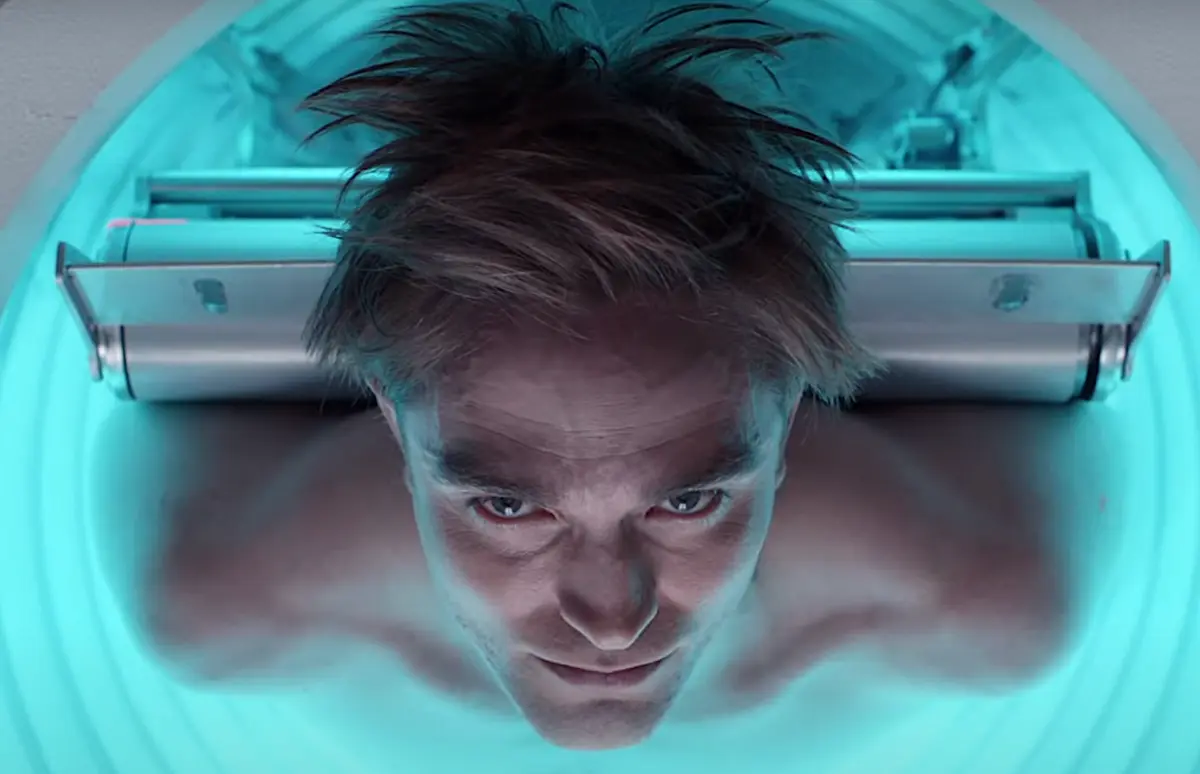
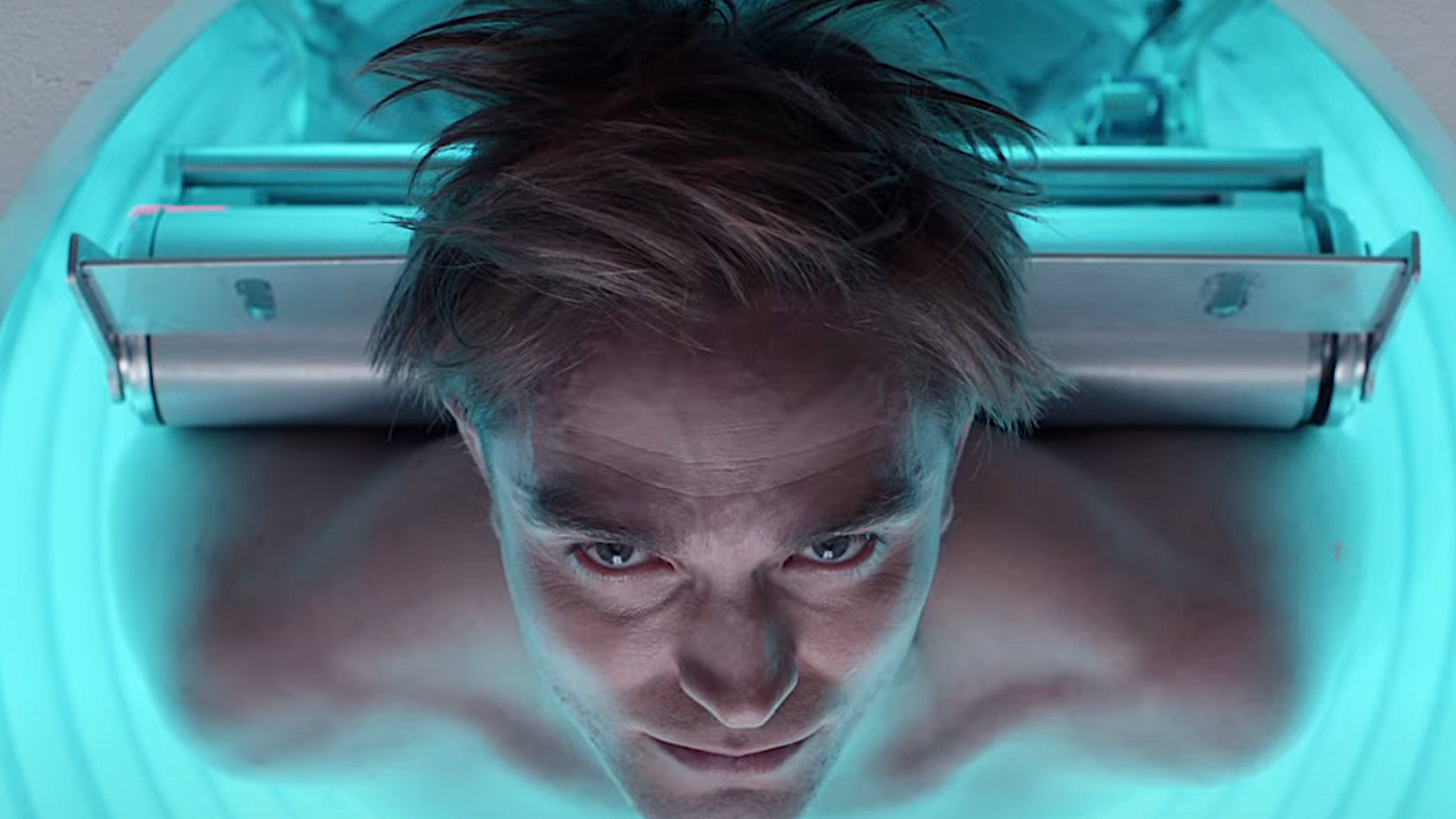
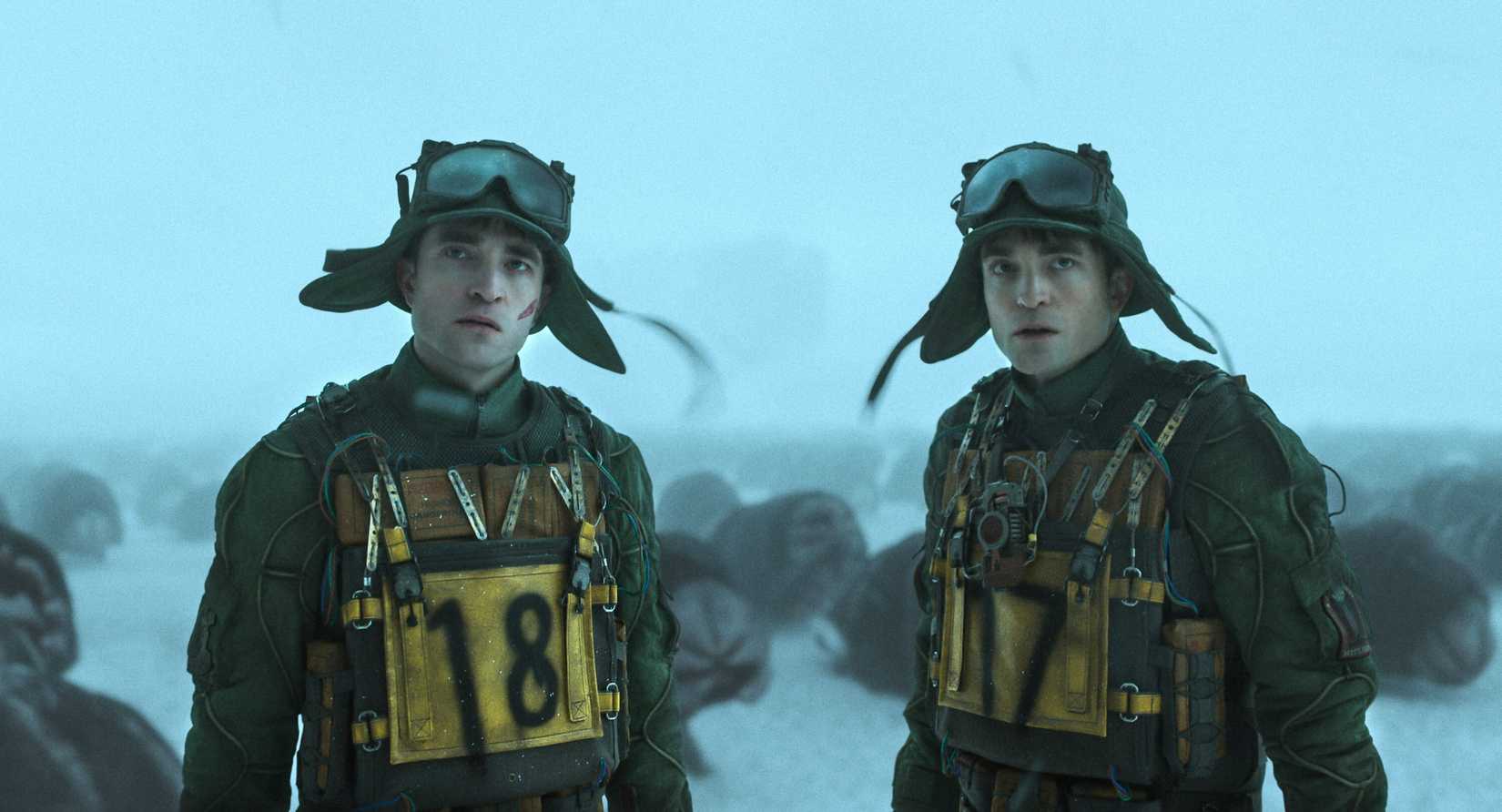
Bong Joon Ho’s 2025 film Mickey 17, which he both wrote and directed, introduces a wonderfully original and darkly funny concept to contemporary science fiction. Set in a not-too-optimistic view of the year 2050, human society offloads its most dangerous and dirtiest labor onto "expendables." These are individuals who consent to being repeatedly cloned upon death, ensuring that manpower is never truly lost on hazardous colonial assignments. Once an expendable dies on the job, a fresh clone is printed out at the exact same biological age and uploaded with the most recent memory backup from their predecessor. Robert Pattinson stars as Mickey Barnes, portraying his various iterations throughout the narrative, with the story primarily centering around his 17th clone—hence the title.
The movie blends high-concept existential dread with sharp satire, and its most darkly humorous line emerges directly from Mickey’s deadpan internal narration:
Even on my 17th go-around, I hate dying.
On its face, the statement is absurd, highlighting the sheer fatigue of repetitive mortality. However, Pattinson delivers the line with a hilarious, nonchalant understatement, sounding more like an office worker complaining about an inconvenient commute or bad weather than a man enduring iterative rebirths. It is writing like this that elevates Mickey 17 from a standard sci-fi thriller into a genuinely witty exploration of humanity and survival.
28 Years Later
More than two decades after the 2002 release of the groundbreaking zombie thriller 28 Days Later, director Danny Boyle and screenwriter Alex Garland reunited to deliver the long-awaited follow-up, 28 Years Later. In a sub-genre as thoroughly saturated as zombie horror, finding genuinely fresh narrative ground to explore is a formidable challenge. Yet, Boyle and Garland achieved precisely that, largely through the introduction of an entirely original and compelling character: Dr. Ian Kelson, portrayed with gravitas by Ralph Fiennes.
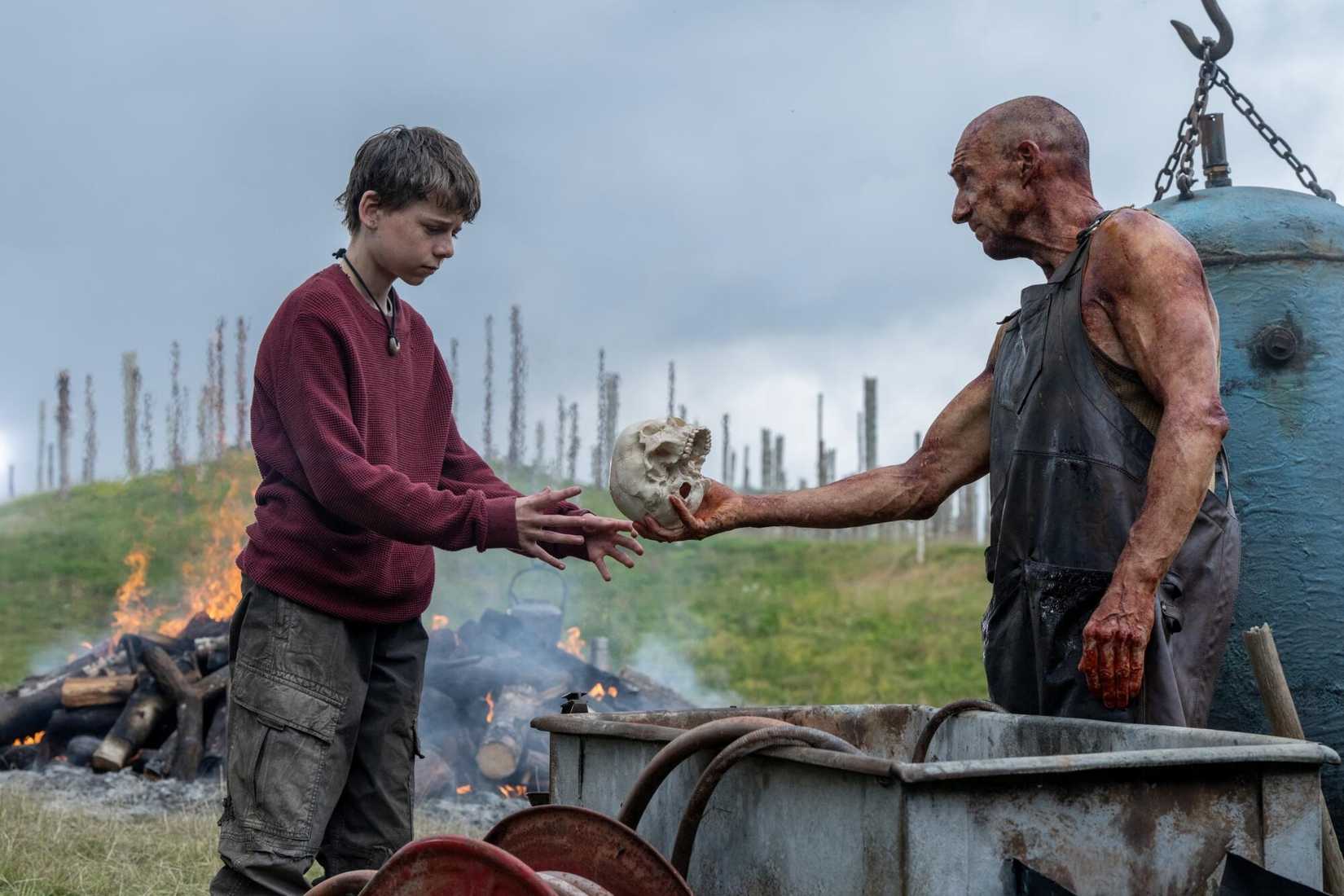
Dr. Kelson was a general practitioner before the collapse of civilization. Nearly three decades after the initial outbreak of the rage virus, he lives in isolation, dedicating his time to studying the infected. Alongside his scientific pursuits, he has constructed a morbid yet striking monument to the fallen known as the Bone Temple, meticulously built from thousands of human skulls. At a pivotal point in the narrative, Kelson explains the significance of his grim monument to Spike, the twelve-year-old boy at the center of the story played by Alfie Williams. His explanation carries a nearly Shakespearean weight:
There were so many dead, infected and non-infected alike. Because they are alike. Every skull is a set of thoughts. These sockets saw and these jaws spoke and swallowed. This is a monument to them, a temple.
Superman
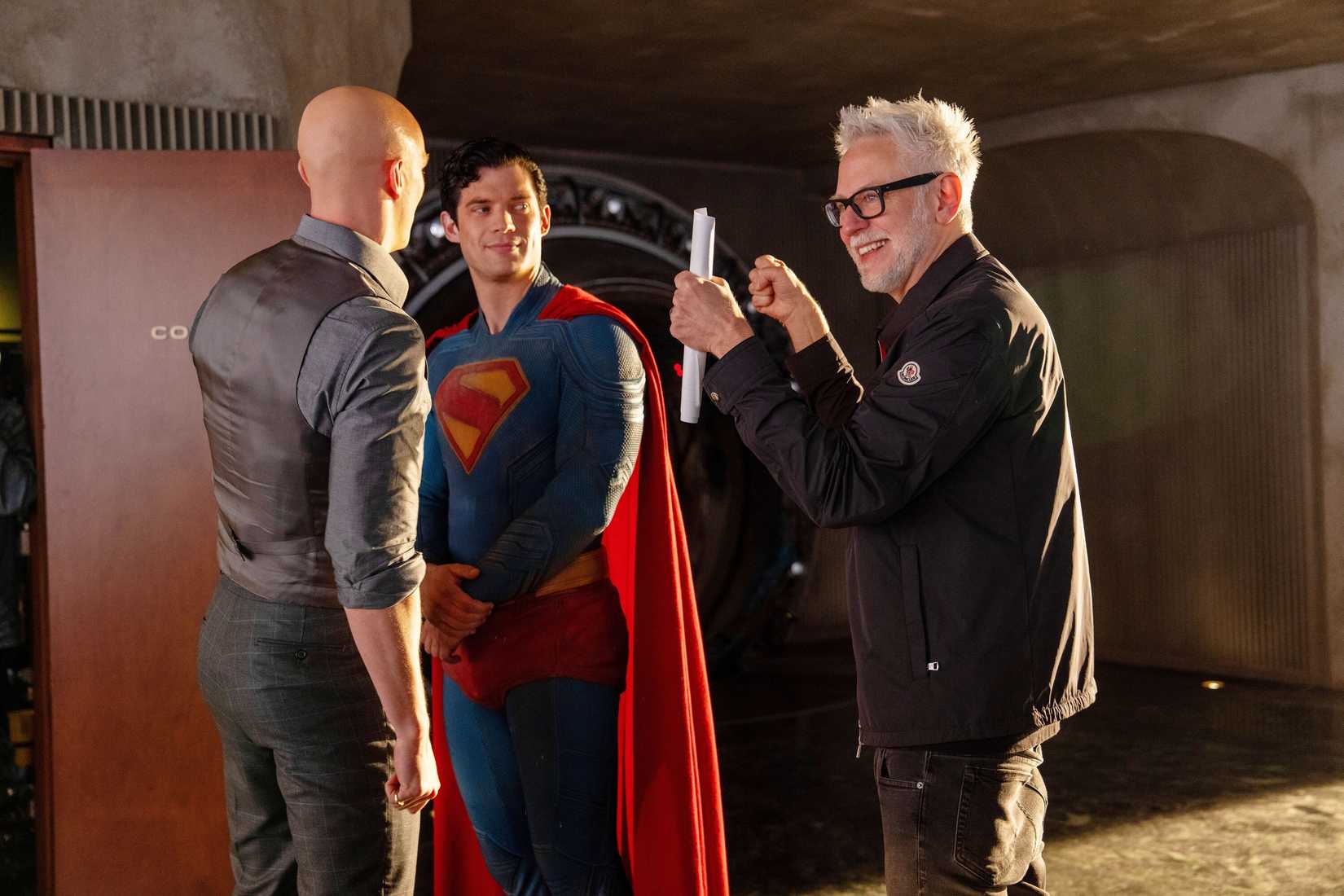
While technically functioning as a sustained monologue rather than a single punchy sentence, the emotional climax of James Gunn’s 2025 film Superman is simply too significant to omit from any discussion of modern sci-fi dialogue. Gunn, who both wrote and directed the film, successfully restored a profound sense of optimism and earnestness to the Man of Steel. For a character whose godlike powers can sometimes distance him from general audiences, creating genuine relatability requires careful narrative framing and a grounded performance. Actor David Corenswet achieved this by infusing the superhero with a deep sense of humility and vulnerability, marking the character’s most compelling cinematic representation since Christopher Reeve.
The peak of this thematic relatability arrives near the conclusion of the film during a confrontation with Lex Luthor, played by Nicholas Hoult. When Luthor attempts to diminish Superman by hurling insults and reducing him to nothing more than an alien interloper, the hero responds not with anger, but with an uplifting speech that encapsulates his core goodness.
“That is where you’ve always been wrong about me, Lex,” says Superman. “I am as human as anyone. I love, I get scared. I wake up every morning, and despite not knowing what to do, I put one foot in front of the other, and I try to make the best choices I can. I screw up all the time, but that is being human, and that’s my greatest strength. And someday, I hope, for the sake of the world, you understand that it’s yours too.”
Dune
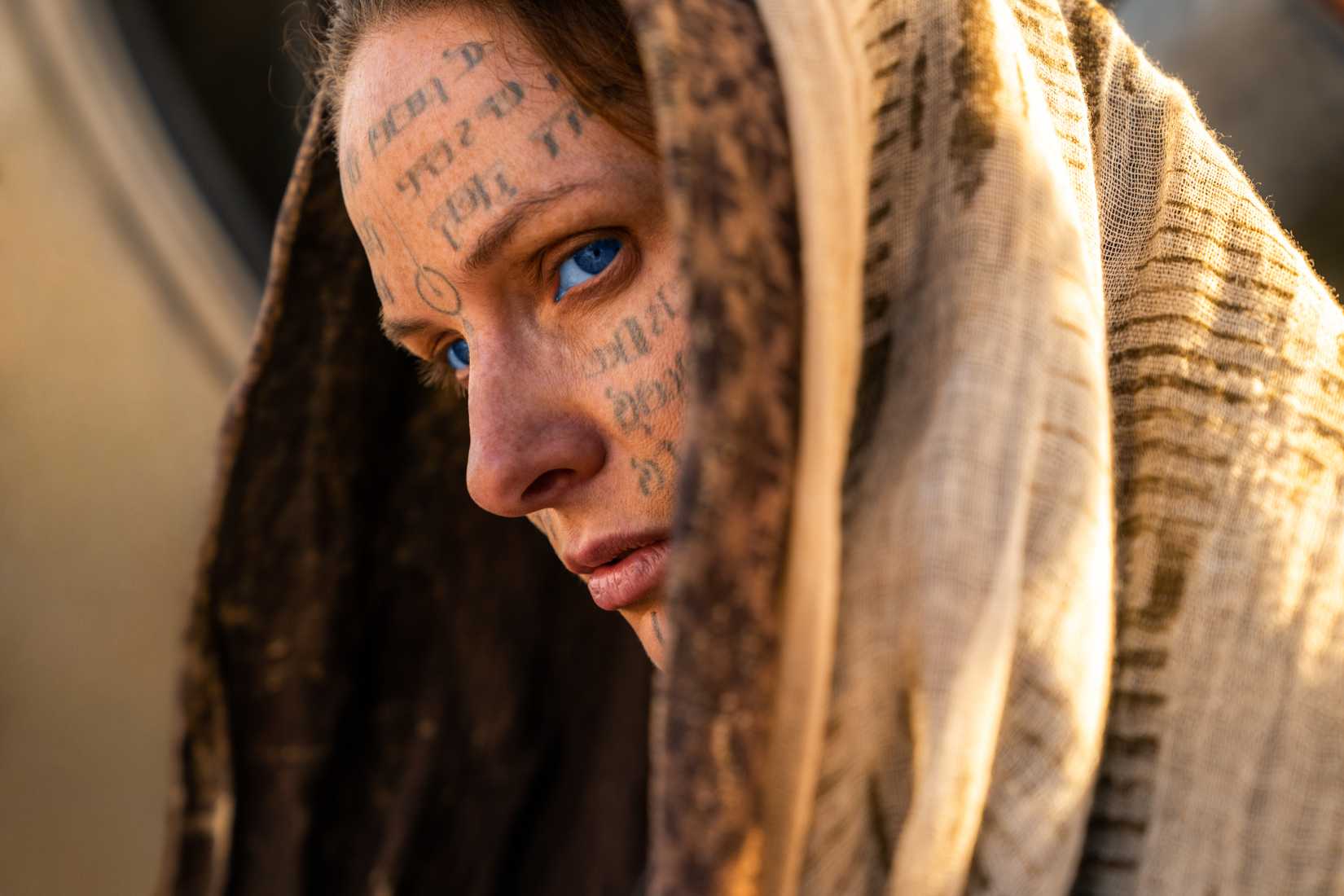
While the words themselves date back to Frank Herbert’s classic 1965 novel—where the author included them on multiple occasions—Denis Villeneuve and his co-screenwriters Jon Spaihts and Eric Roth utilized the phrase to stunning cinematic effect in the 2021 adaptation of Dune.
I must not fear. Fear is the mind-killer. Fear is the little-death that brings total obliteration.
This famous passage forms the opening lines of the "Litany Against Fear," a psychological mantra utilized by members of the House of Atreides. As a noble family thrust into a violent political struggle for control of Arrakis—a harsh desert planet rich in spice, the universe’s most valuable resource—the Atreides characters rely on this mental discipline to steady themselves against overwhelming odds. Whether whispered in quiet desperation or recited as an internal anchor, the mantra proved just as resonant and powerful for audiences in the 2020s as it was when Herbert first committed it to the page over half a century ago.
Project Hail Mary
The enduring appeal of Project Hail Mary lies in its fundamentally uplifting exploration of human perseverance in the face of absolute extinction. The narrative follows Ryland Grace, a scientist played by Ryan Gosling, who wakes up on a solitary spacecraft bound for a distant star system. His mission is to discover a solution to save Earth from a catastrophic solar anomaly threatening to destroy all life on the planet. Early in the journey, however, Grace is plagued by self-doubt, genuinely convinced that he lacks the psychological fortitude required for interstellar travel and the crushing weight of saving humanity.
In an early sequence, Grace speaks with mission commander Yao Li-Jie, portrayed by Ken Leung. Admitting his insecurity, Grace tells the commander, “I don’t have the bravery gene that you all have.” With quiet moral certainty and unwavering resolve, Yao delivers a response that cuts straight to the heart of the story:
It’s not a gene. You just need someone to be brave for.
Although Grace initially brushes the remark aside as a simple platitude, this heartfelt exchange serves as the emotional anchor for the entire film. As the narrative progresses, Grace learns to transform his personal fears into profound courage, fighting for the survival of humanity not out of abstract duty, but for a deeper, more personal purpose.