The Legend of Zelda: Ocarina of Time has long been celebrated as a masterclass in game design, but it is also widely remembered for its deeply melancholic atmosphere. While the game is fundamentally a heroic fantasy adventure, players navigating the sprawling fields, shadowy dungeons, and eerie villages of Hyrule are frequently confronted with undertones of sorrow, loss, and psychological weight. Whether it is speaking to the grieving Kokiri after clearing the Great Deku Tree dungeon or peering into the hidden depths of the world using the Mask of Truth, Nintendo crafted a universe that often embraces a poignant and unsettling mood.
Yet, within the recently released remake of the classic title for the Nintendo Switch 2, developers have introduced a series of subtle tweaks and expansions that breathe new life into Hyrule. While many of these adjustments lean further into the darker, more atmospheric elements of the narrative, one particular change stands out as a defiantly joyous exception. It centers entirely around the game’s most beloved canine resident: Richard.
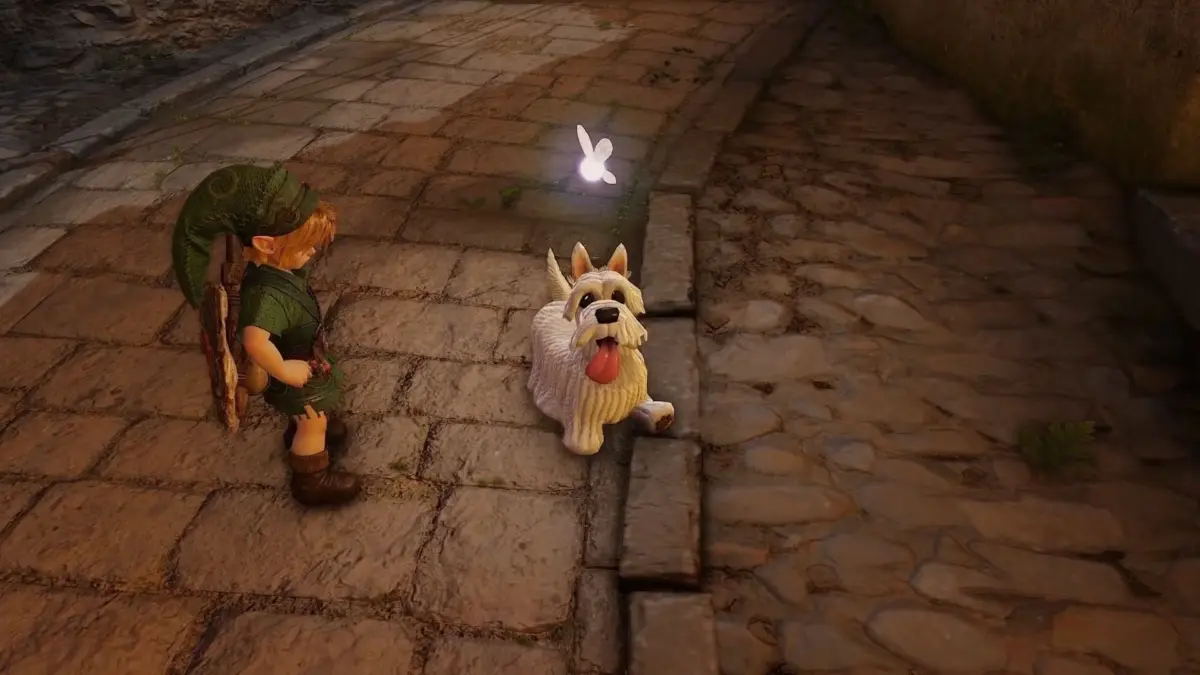
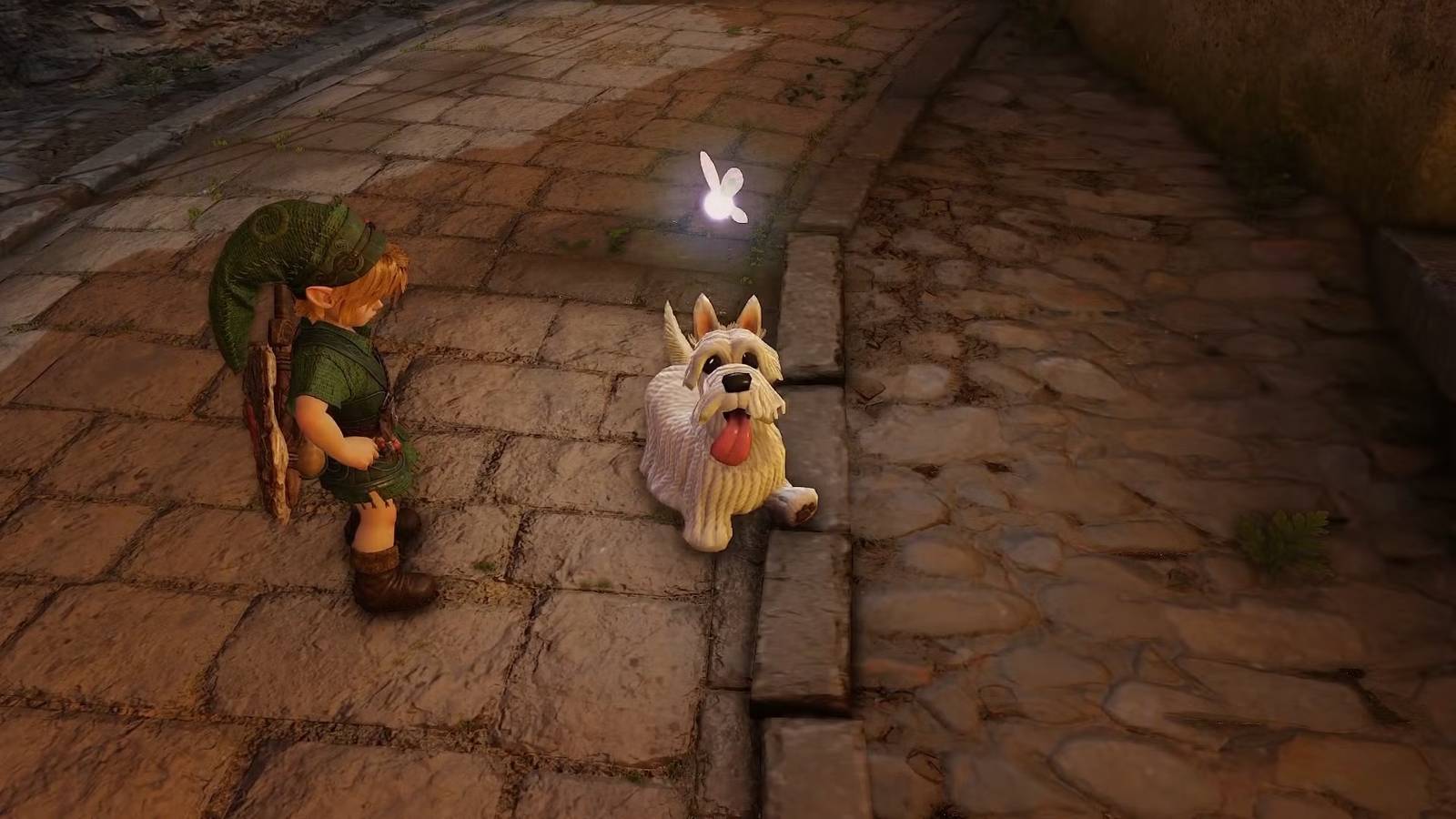
Richard is, by all accounts, a very good dog. Some might even argue he is the best dog in the entire realm of Hyrule. That sentiment would certainly be shared by his devoted owner, Mamamu Yan, who makes her home in Castle Town during the youthful, sunlit prologue of the game. At the outset of Link’s journey, Mamamu Yan’s favorite pastimes include watching Richard play in the bustling square and speaking at length about her immense affection for her cherished pet. While her interactions with other residents and her sharp remarks about the town’s other dogs might paint a slightly complicated picture of her personality, Richard himself remains entirely blameless. He is portrayed as a sweet, carefree animal caught up in the charm of a thriving capital city.
The tone of Richard’s story, however, took a famously grim turn in previous iterations of the game. In the 2011 Nintendo 3DS version of Ocarina of Time, young Link’s journey takes him seven years into the future via the Sacred Realm, revealing a drastically altered Hyrule. Castle Town is left in complete ruins, overrun by ReDead—the Zelda series’ haunting equivalent of zombies—and enveloped in an oppressive, apocalyptic gloom. While the game’s companion, Navi, offers little commentary on the specific fate of the town’s former human and animal residents, the sheer horror of the transformed landscape suggests a tragic end for many of the kingdom’s citizens.
Fortunately, not all of Castle Town’s eccentric inhabitants perished in Ganondorf’s takeover. A number of locals managed to flee to the relative safety of Kakariko Village, among them Mamamu Yan. However, interacting with her in the 3DS version revealed a heartbreaking detail: she spoke of Richard entirely in the past tense. According to her dialogue, Richard was the best dog, a famous canine companion who had seemingly been lost to the horrors that befell Castle Town. While Mamamu Yan herself did not appear overly distressed by the loss, the revelation struck many players as a uniquely devastating punch to the emotional gut, reinforcing the heavy price of Link’s absence.
That collective heartbreak, thankfully, has been undone in the latest Nintendo Switch 2 remake of Ocarina of Time. In this newly expanded version of the classic adventure, Richard lives.

Players exploring Kakariko Village during the daytime will find the familiar pup alive, well, and joyfully frolicking through the settlement. Unlike his fate in the 3DS release, Richard is safely tucked away in the village, remaining decidedly un-lost and carefree when night falls. It quickly becomes apparent that the little dog learned some valuable survival lessons during the turmoil of the fall of Castle Town, adapting to the hardships of the era with remarkable resilience.
Initial encounters with Mamamu Yan in the Switch 2 version might lead observant players to wonder if she simply followed a long-standing tradition of naming successive pets after her favorite companion, perhaps raising a metaphorical Richard the Third. Yet, the dialogue clarifies that this is no descendant or replacement; it is the exact same wonderful, cheerful canine from the beginning of the adventure. Mamamu Yan once again waxes poetic at great length about the virtues, splendor, and unmatched excellence of her beloved Richard, making no mention of ancestors, tragedies, or lost predecessors.
For players navigating the psychological and atmospheric horrors of a ruined future Hyrule, stumbling upon a surviving Richard offers a remarkably sweet and welcome reprieve. Emerging from the bleakness of the decimated Castle Town into Kakariko Village only to find the game’s favorite pup alive and thriving provides a much-needed ray of hope. It serves as a gentle reminder that amidst all the darkness, ruin, and epic struggles defining the fate of the realm, some pure and simple joys manage to endure against the odds.