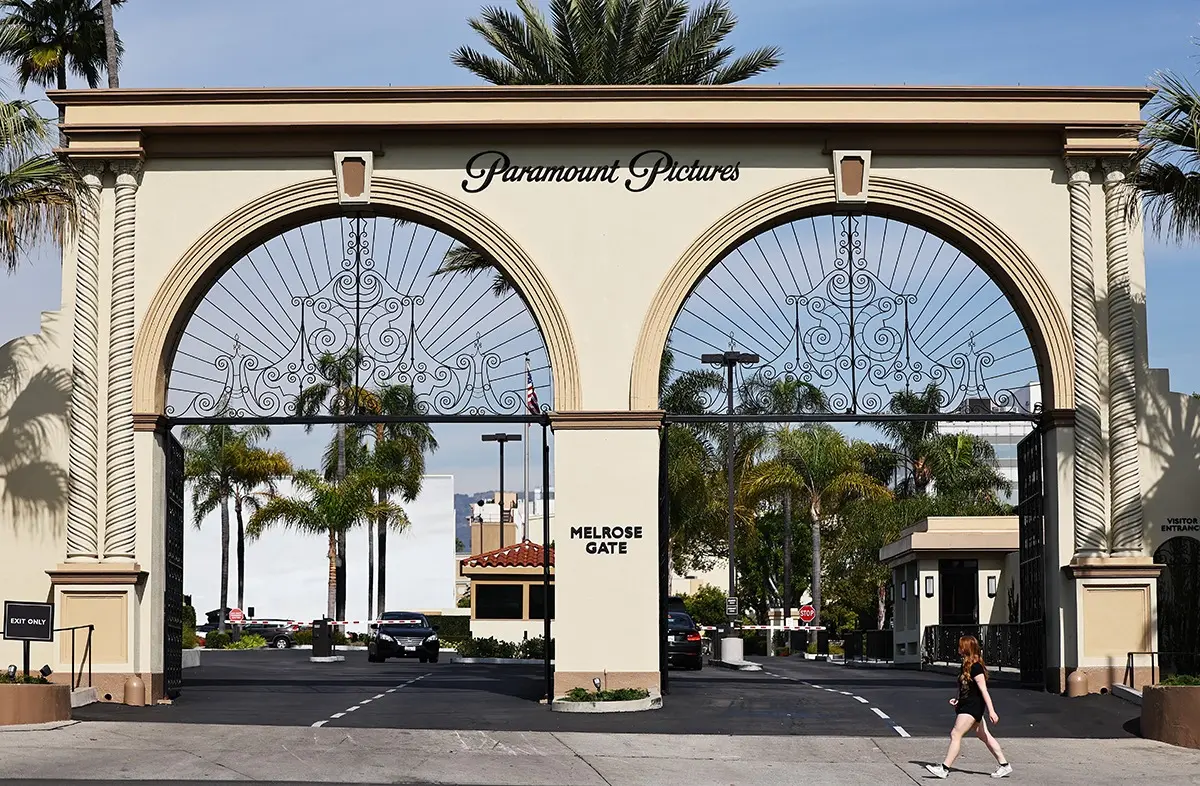
Despite the sweltering 102-degree heat gripping Los Angeles, the atmosphere on the Paramount lot is anything but a typical, quiet summer Friday. The historic studio grounds are currently a hive of frenetic activity, buzzing with the intricate subplots and high-stakes logistical preparations necessary for the finalization of Skydance’s landmark acquisition of Warner Bros. Discovery, which is set to close officially next week.
As the industry waits with bated breath, the conversation in executive suites and production offices alike is dominated by one singular, obsessive question: Who among the current ranks will survive the merger to secure a seat at David Ellison’s new executive leadership table come Monday morning? While the organizational chart remains the primary focus of the Hollywood rumor mill, Ellison’s first order of business has been to address his troops regarding the identity of the combined entity. The parent company, he confirmed, will operate under the name Skydance—the same brand Ellison founded two decades ago—and will serve as the overarching umbrella for legendary entertainment titans, including Warner Bros., Paramount, and HBO.
In a memo obtained by Variety, Ellison sought to frame the rebranding as an act of preservation rather than an imposition. “As we bring Paramount and Warner Bros. together, we wanted to preserve what has made each of these studios iconic,” Ellison wrote to staff. “Both have distinct identities, extraordinary legacies and brands that have resonated with audiences for generations. We never wanted a new corporate identity to diminish, alter or overshadow either one. Instead, we wanted a name that would give the combined company an identity of its own while allowing Paramount and Warner Bros. — and all our extraordinary brands — to remain in the spotlight.”
While the iconic brand names will indeed remain, their operation will shift under new, concentrated layers of oversight. According to multiple sources, Paramount Pictures stalwarts Dana Goldberg and Josh Greenstein are set to be elevated to an expansive, high-level creative post. In this new capacity, they will oversee the heads of individual film labels across both companies, including figures such as New Line Cinema veteran Richard Brener. The streaming landscape is also undergoing a rapid consolidation; following the departure of Paramount+ streaming head Cindy Holland earlier this week, HBO and Max veteran Casey Bloys is widely viewed as the presumptive ruler of all streaming operations under the new Skydance banner, though the company has yet to release an official organizational announcement.
The transition has already claimed significant casualties at the highest levels. Variety confirmed late Thursday night that Warner Bros. Motion Picture Group heads Pamela Abdy and Michael De Luca have been ousted. Insiders suggest the decision caught the pair off guard, though a well-placed industry power player remarked that if Abdy and De Luca were truly surprised, “they’re the only ones.” Their future had been the subject of intense speculation for months, and the timing ultimately proved insurmountable. Despite a generally successful 2025, the motion picture group had faced a series of dizzying box-office losses over the past year, placing the duo in a precarious position as the merger neared completion. It is understood that Ellison held a final conversation with both executives on Friday, and today is expected to be their last day on the Warner Bros. lot in Burbank.
Even before Ellison assumes full operational control next week, the momentum of the merger is already creating a ripple effect of dealmaking and talent management. Goldberg and Greenstein have reportedly begun outreach to top-tier talent associated with Warner Bros., including star-producer Margot Robbie and her partners at LuckyChap Entertainment, in an effort to maintain continuity and reassure creators during the transition.
One of the most immediate priorities for the new regime appears to be addressing the future of the Barbie franchise. According to a knowledgeable source, internal efforts are already underway to revive discussions for a sequel to Greta Gerwig’s global blockbuster. The project had previously stalled due to concerns over production costs, but with the leadership shift—and Ellison’s strategic appointment of former Mattel CEO Ynon Kriez as co-CEO of the combined company—the path forward looks significantly more optimistic. “There’s no way Barbie 2 doesn’t happen,” the source noted, signaling a pivot toward leveraging existing intellectual property under the new corporate structure.
For Ellison, the selection of the name "Skydance" carries a personal weight that extends far beyond corporate strategy. In his memo to staff, he detailed the origins of the moniker, noting that he founded his studio 20 years ago with a desire for something that felt both deeply personal and representative of “limitless possibility.”
“The personal part came from my love of flight: skydancing is another name for aerobatic flying,” Ellison explained. “The possibility came from the cosmos, which to me represents boundless potential and the large-canvas storytelling of cinema. Even our original logo reflected that idea, with each letter of Skydance representing a planet revolving around the sun. From the beginning, the name was meant to capture what great storytelling can do: transport people to places they might never otherwise go and take us beyond the limits of the world we know — and even our own imaginations.”
This philosophy of scale and ambition is intended to serve as the bedrock for the company’s future. As the studio prepares to enter a new chapter, Ellison emphasized that the goal is to combine the reach of the legacy studios with the agile, risk-taking nature of his original outfit. “We have big goals for Skydance, and we intend to pursue them with passion, imagination and a willingness to take smart risks,” he wrote. “At the same time, we will honor what makes Paramount and Warner Bros. special — giving both studios the opportunity to grow, tell more great stories and bring those stories to even broader audiences around the world, powered by the scale and capabilities of Skydance.”
The memo concluded with a welcoming tone, inviting the vast, combined workforce to look toward the future. “Welcome to Skydance. I couldn’t be more excited about what we’re going to build together.”
As the sun sets on the final week of the current corporate configuration, the industry remains fixated on the quiet corner offices in Burbank and Hollywood. The transition to the new era of Skydance is not merely a change in branding or leadership; it is a fundamental restructuring of the traditional studio system. With the ink drying on the final paperwork and the executive suite taking shape, the coming weeks will likely reveal the true scope of Ellison’s vision for the future of entertainment. For now, the focus remains on the logistical churn of the transition—ensuring that the legacies of Paramount and Warner Bros. are successfully integrated into the ambitious, cosmos-inspired framework of the new Skydance.