The collaboration that cinephiles have spent years dreaming of has finally arrived, and if early reactions from the film press are any indication, the results are nothing short of a landmark cinematic achievement. The Further Mis-Adventures of Cliff Booth, the long-awaited sequel to Quentin Tarantino’s 2019 masterpiece Once Upon a Time in Hollywood, has officially been unveiled to critics, and the consensus is emphatic: the film is a wildly entertaining, stylish, and deeply atmospheric triumph.
While Tarantino penned the screenplay for this high-profile project, he famously stepped aside from the director’s chair, allowing David Fincher to step in to helm the Netflix-backed tentpole. This creative union—the distinct, dialogue-heavy, blood-soaked sensibilities of Tarantino paired with the cold, meticulous, and rhythmically precise visual language of Fincher—has produced a film that critics are calling a unique "hangout movie" that feels both like a continuation of a beloved story and a standalone exploration of a new era.
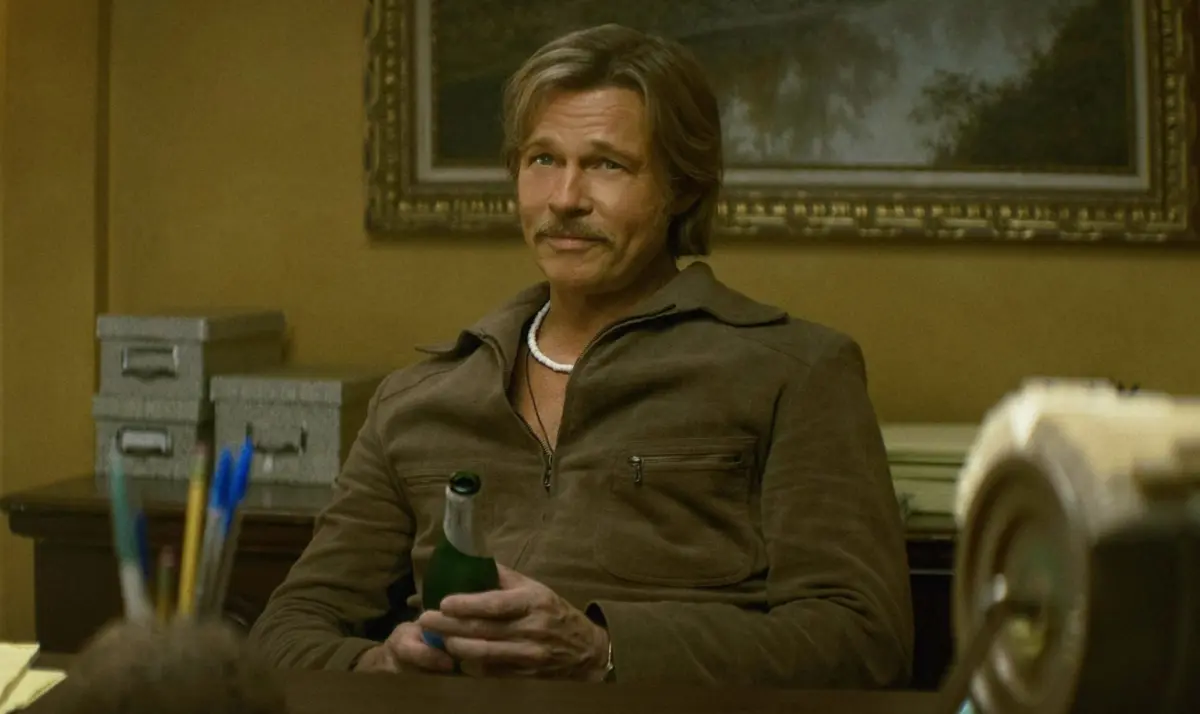
Set in 1977, eight years after the transformative events depicted in the original film, The Further Mis-Adventures of Cliff Booth finds the eponymous stuntman—again portrayed with effortless, rugged charisma by Brad Pitt—navigating a shifting Hollywood landscape. No longer just a stunt double, the aging Cliff has transitioned into the role of a high-stakes studio fixer, a profession that inevitably leads him into a labyrinth of industry intrigue and personal peril.
The first wave of reactions has been overwhelmingly positive, with many critics highlighting the synergy between the two iconic directors. Film critic Simon Thompson was among the first to weigh in, noting that the film "pops, throbs and crackles." He went on to describe the project as a "love letter to L.A.," echoing the sentiment of its predecessor while carving out its own identity. "An eclectic, ragtag cast make this a slick and sexy romp," Thompson wrote. "A salty and slower-burning side piece to Tarantino’s original with a fire final act."
The creative chemistry of the film has drawn comparisons to the most legendary of cinematic pairings. Drew Taylor, Senior Film Reporter for The Wrap, expressed his enthusiasm in no uncertain terms, famously noting that "Tarantino and Fincher are like peanut butter and chocolate (the peanut butter is profane and the chocolate dipped in blood)." Taylor urged audiences to bypass home viewing where possible, insisting that the film deserves to be seen on the largest screen available. "Stop watching anything, go see it on the biggest screen around, have the time of your life. An absolute triumph. The best."
The film’s aesthetic and thematic depth also earned praise from critics like Ricky Valero, a member of the Critics Choice Association, who called the film an "absolute banger." Valero highlighted the film’s visual richness, noting how it "beautifully captures the relationship between Los Angeles and the movies." For Valero, the film is not merely a sequel, but a significant addition to the cinematic canon of the year.
Much of the film’s success rests on the shoulders of Brad Pitt, who captured a Best Supporting Actor Oscar for his initial portrayal of Cliff Booth. Critics have been quick to note that Pitt has not lost a step in the years since his last outing as the character. Clayton Davis, writing for Variety, lauded the performance, noting that "Brad Pitt slides back into his beloved Oscar-winning role and gives his best performance since Once Upon a Time in Hollywood." Davis also highlighted the supporting cast, particularly Elizabeth Debicki, whose performance he described as possessing "intoxicating sensuality," alongside the scene-stealing turns of Scott Caan and Peter Weller. According to Davis, if the 2019 film was a love letter to the city of Los Angeles, this sequel functions as a "full-on sonnet."
The narrative structure of The Further Mis-Adventures of Cliff Booth is a testament to the collaborative nature of the project. While the script is pure Tarantino—replete with his signature dialogue and thematic obsessions—the execution bears the unmistakable thumbprint of Fincher. This balance was a central point of discussion during the film’s development. Tarantino, who has long maintained a strict retirement plan regarding his directorial career, opted to hand the reins to Fincher to ensure the project reached the screen with the specific tone he envisioned.
The sheer scale of the project was apparent from the early drafts. Fincher revealed in an interview with Empire magazine last month that the initial script for the sequel was a massive 230-page document. In order to tighten the pacing and maintain the "hangout" atmosphere that the filmmakers were aiming for, 60 pages were ultimately cut from the final product. The result is a film that balances the sprawling world-building of the 1970s studio system with the tight, character-driven focus that defined the original.
The film’s supporting cast serves to flesh out this gritty, neon-soaked version of late-70s Hollywood. Alongside Pitt, Debicki, Caan, and Weller, the film features performances from Yahya Abdul-Mateen II and Carla Gugino, among others. Together, they populate a world that feels lived-in and authentic, capturing the transition of the movie industry as the Golden Age of the late 60s bled into the cynical, chaotic energy of the late 70s.
For those who appreciated the slow-burn pacing and meticulous period detail of the 2019 original, the sequel offers a rewarding expansion. As Zach Pope noted, the film is "a PURE cinematic trifecta of Tarantino’s signature chaos, Fincher’s meticulous attention to detail, and Brad Pitt’s effortlessly charismatic Cliff Booth." Pope added that the film manages to feel like a "stylish love letter to 1970s Hollywood cinema that reminds us sometimes all you need is a laid-back, wildly entertaining misadventure with a character you just LOVE spending time with."
The release strategy for the film reflects its status as a premium cinematic event. The Further Mis-Adventures of Cliff Booth is set to open exclusively in IMAX theaters on November 25, offering audiences a chance to experience the film’s sweeping cinematography on a grand scale. Following its theatrical run, the film will transition to home audiences, becoming available to stream on Netflix starting December 23.
The legacy of the original Once Upon a Time in Hollywood is immense. Sony’s 2019 release was a critical and commercial juggernaut, earning $410 million at the worldwide box office and securing 10 Academy Award nominations, including Best Picture and Best Director. With the arrival of this sequel, the industry is watching closely to see if the Fincher-Tarantino collaboration can replicate that success. Based on these early, glowing reactions, the film is poised to be not only a commercial success but a defining cultural moment for the end of the year.
As the film prepares to reach the wider public, the discourse surrounding it is likely to continue growing. For fans of the original characters, the return of Cliff Booth represents a rare opportunity to revisit a world that felt both fully realized and ripe for further exploration. Whether the film ultimately contends for the same awards glory as its predecessor remains to be seen, but for now, the critics have spoken: Cliff Booth is back, and he is better than ever.