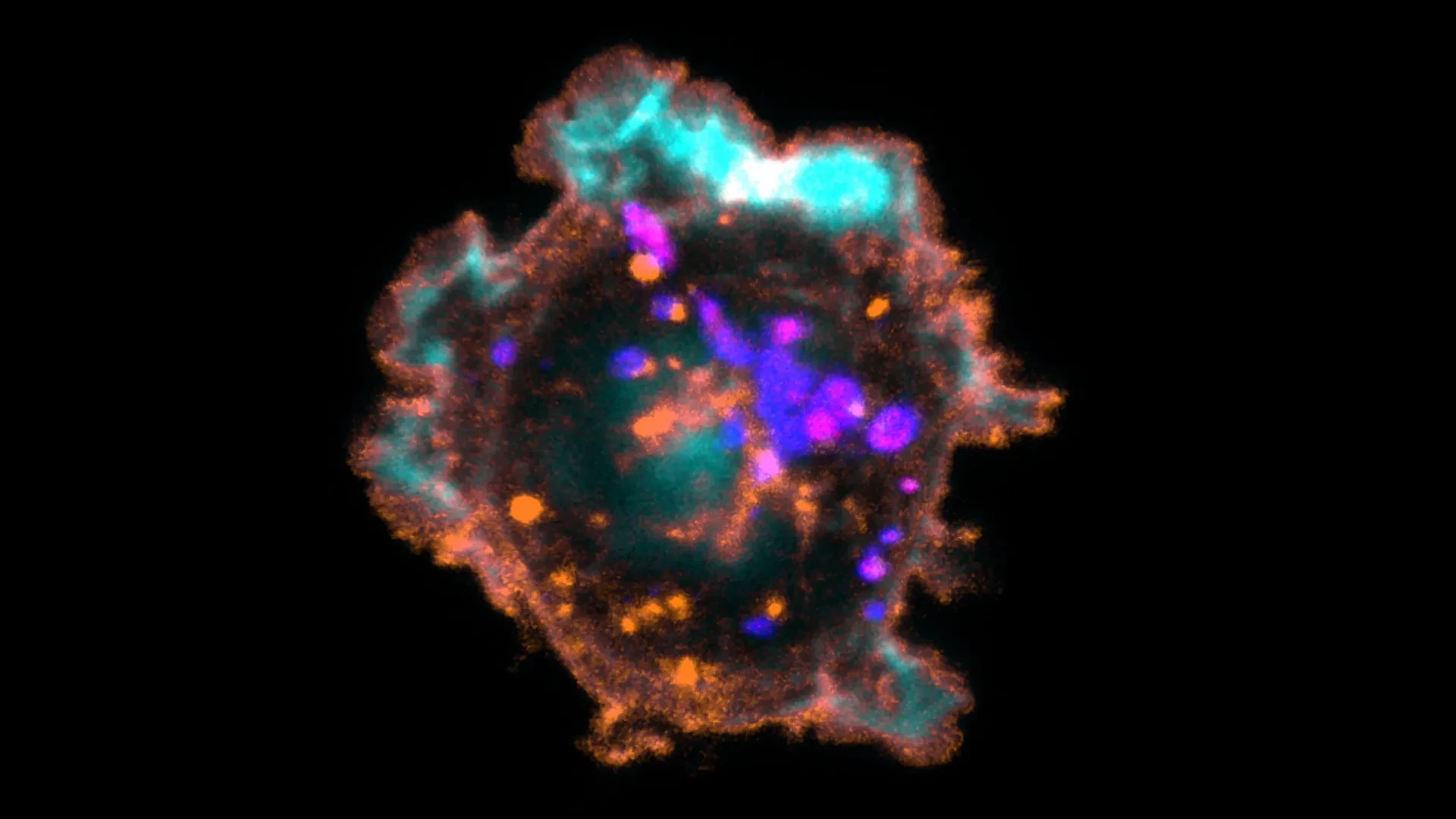
For three decades, the scientific community has operated under a singular, consensus-driven understanding of mevalonate kinase deficiency (MKD), a rare and often life-threatening genetic disorder. Since the disease was first characterized, research efforts have been laser-focused on the role of macrophages—the immune system’s “first responders”—as the primary drivers of the severe, systemic inflammation that defines the condition. However, a landmark study conducted by researchers at the Garvan Institute of Medical Research has now shattered this long-standing dogma, revealing that the true engine of the disease lies elsewhere.
By identifying a previously underrecognized malfunction within natural killer (NK) cells, the research team has not only rewritten the biological roadmap of MKD but has also opened a promising new therapeutic frontier. This discovery suggests that the path to treating patients who have exhausted current options may lie in existing medications, specifically JAK inhibitors, offering a glimmer of hope for those suffering from this debilitating condition.
A Hidden Culprit in the Immune System
MKD is a lifelong, inherited metabolic disorder that affects hundreds of children and adults globally, though experts believe the true prevalence is likely higher, obscured by the difficulty of reaching a definitive diagnosis. Patients endure a harrowing cycle of recurring inflammatory episodes, marked by high fevers, painful skin rashes, joint inflammation, and acute abdominal distress. In its most severe form, the disease can trigger systemic complications that are potentially fatal.
For nearly 30 years, the prevailing scientific model held that macrophages were the culprits. These cells are essential for orchestrating the body’s inflammatory defenses, and existing clinical treatments are largely designed to block the inflammatory signals these cells release. Despite this targeted approach, the reality for patients remains bleak: approximately half do not respond adequately to current therapies, leaving them vulnerable to recurring flares and long-term organ damage.
To understand why standard treatments fail so many, the Garvan Institute team, led by Professor Mike Rogers and Dr. Marcia Munoz, conducted an exhaustive investigation using blood samples from patients and advanced preclinical models. What they discovered was not a macrophage problem, but a profound defect in the maturation and function of natural killer (NK) cells.
NK cells are the elite operatives of the innate immune system. Their primary role is to identify and eliminate cells that have been compromised by viral infections or malignancy. Under normal circumstances, an NK cell detects a target, releases specialized “toxic ammunition” from its granules, and destroys the threat. The Garvan study revealed that in patients with MKD, these cells are fundamentally broken.
When the Immune System "Misfires"
The dysfunction observed by the research team is twofold. First, the NK cells in MKD patients fail to mature properly, leaving them unable to perform their surveillance duties effectively. Second, the mechanism for releasing their cytotoxic granules is impaired.
“We found that these immune cells are essentially misfiring,” explains Professor Mike Rogers, Lab Head at the Garvan Institute and senior author of the study, which was recently published in the journal Immunity. “NK cells are loaded with toxic ammunition, stored in granules that are released to kill infected cells. However, in MKD, these toxic granules can’t be released from NK cells and remain trapped inside.”
When these cells cannot execute their primary function, they do not simply remain dormant. Instead, they compensate by triggering an alarm system that spirals out of control. Unable to neutralize the infection, the NK cells begin “shouting for help,” pumping out massive quantities of interferon gamma. This powerful inflammatory signaling molecule acts as a flare, activating other parts of the immune system and creating the widespread, dangerous inflammation characteristic of an MKD episode.
This finding fundamentally alters the scientific view of the disease. According to Dr. Marcia Munoz, Group Leader in the Rogers Lab and lead researcher on the study, the results represent a watershed moment in immunology. “This really turns on its head 30 years of dogma about what was thought to be the underlying mechanism of disease,” Dr. Munoz notes. “In MKD, the primary problem is in NK cells and not in macrophages, as previously believed.”
To solidify this discovery, the Garvan team collaborated with Professor Mariapia Degli-Esposti and researchers at Monash University. Through rigorous testing in preclinical models, they established a direct causal link between these malfunctioning NK cells and the severe, organ-damaging inflammation seen in patients. The research explains a long-standing paradox: why a disease rooted in a deficiency of immune defenses results in an overactive, destructive inflammatory response.
New Hope Through Existing Medications
The shift in understanding from macrophage-driven inflammation to an NK-cell-driven process has immediate implications for clinical practice. Recognizing that the excessive production of interferon gamma is the root cause of the damage, the researchers looked toward existing drug classes capable of intercepting these signals.
The team focused on JAK inhibitors, a class of medications already approved for conditions such as rheumatoid arthritis and eczema. These drugs work by interfering with the signaling pathways that the immune system uses to communicate, including the pathways that propagate the interferon gamma response.
In a collaborative effort with clinicians at the Royal Children’s Hospital in Melbourne, the team applied this theory to a severely affected infant who had failed to respond to conventional treatments. By introducing baricitinib—a potent JAK inhibitor—into the infant’s treatment regimen, doctors observed a remarkable clinical turnaround. The child experienced a significant reduction in the frequency of inflammatory flares, and, crucially, severe inflammation in the gastrointestinal tract began to subside.
While the researchers caution that this single case study is not a substitute for large-scale clinical trials, the results provide compelling, real-world evidence for a strategy that targets the actual mechanism of the disease rather than a downstream symptom. “This study has revealed a new target for this inflammatory disorder and sets the scene for future clinical studies to explore the use of JAK inhibitors or other drugs to neutralize interferon gamma in patients with MKD,” Professor Rogers says. “This could lead to a targeted treatment that hasn’t been tried before.”
Beyond MKD: A New Family of Diseases
The impact of the Garvan Institute’s discovery may reach far beyond the specific confines of MKD. The researchers have introduced the concept of “prenylopathies”—a broader family of genetic disorders that share the same metabolic pathway as MKD.
Early data suggests that these related disorders may also be driven by the same fundamental defect: NK cells that fail to function properly and instead initiate a cascade of inflammatory signaling. If further research confirms that this mechanism is common across the entire spectrum of prenylopathies, it could transform the diagnostic landscape for patients who currently endure years of medical uncertainty.
For many, the "diagnostic odyssey"—the long, painful period of searching for answers while their health deteriorates—is the most difficult aspect of living with a rare disease. “Confirming this link could help end the diagnostic odyssey many patients endure for years or even decades before receiving effective treatment,” says Professor Rogers.
As the scientific community begins to digest these findings, the path forward is clear: the focus of MKD research must pivot. By shifting the spotlight from macrophages to the dysfunctional natural killer cells, the Garvan Institute has provided a new, evidence-based roadmap for developing therapies that could finally offer relief to patients who have been left behind by outdated models of the disease. Future clinical studies will now be tasked with translating these laboratory breakthroughs into standardized, life-changing care for patients worldwide.
Professor Mike Rogers serves as a Conjoint Professor at St Vincent’s Clinical School, Faculty of Medicine and Health, UNSW Sydney, while Dr. Marcia Munoz serves as a Conjoint Senior Lecturer at the same institution. Their work, now published in Immunity, stands as a testament to the power of questioning long-held scientific assumptions in the pursuit of patient-centered medical breakthroughs.