The rapid rise of GLP-1 receptor agonists—a class of medications that includes blockbuster drugs like Ozempic, Wegovy, Mounjaro, and Zepbound—has transformed the landscape of obesity and type 2 diabetes management. By mimicking a natural hormone signaling system, these drugs effectively regulate blood sugar and curb appetite, offering a powerful tool for metabolic health. However, as millions of patients begin these treatments, the medical community is shifting its focus toward the long-term, systemic implications of their use. A significant new study presented at the European Academy of Dermatology and Venereology (EADV) Congress 2026 suggests that the impact of these medications may extend to areas previously overlooked by researchers: the health of patients’ nails, hair, and scalp.
Unexpected Nail Problems Among GLP-1 Users
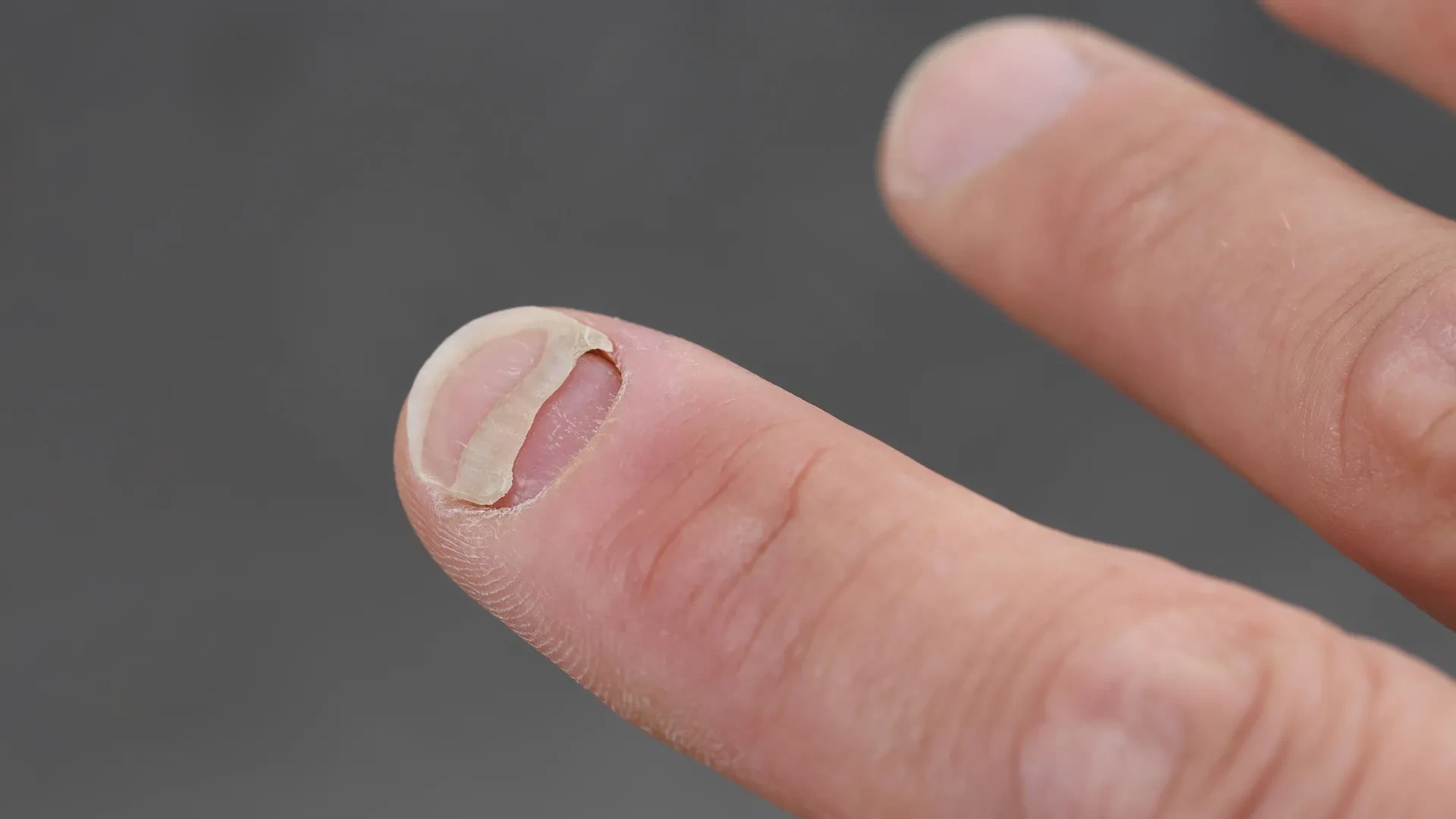
The investigation, which marks the first controlled research to examine the link between GLP-1 receptor agonists and dermatological health, has revealed an unsettling pattern. Patients using these medications were found to be more than four times as likely to experience onycholysis—the medical term for nail detachment, where the nail plate separates from the nail bed underneath.
Researchers conducted a multi-national study across the United States, France, Brazil, and Mexico, comparing 575 individuals actively using GLP-1 medications against a control group of 1,329 individuals who struggled with type 2 diabetes or obesity but had never taken the drugs. The findings were stark: 39% of those on GLP-1 therapy reported nail detachment, compared to only 9% in the control group. Beyond detachment, other nail-related abnormalities were also prevalent, with 66% of GLP-1 users reporting at least one form of nail disorder, compared to 53% of nonusers. Nail discoloration, in particular, was significantly more common among the medication group, affecting 46% of users compared to just 17% of those not taking the drugs.
Historically, information regarding nail changes in patients undergoing GLP-1 therapy was limited to anecdotal reports—scattered, individual accounts of adverse reactions rather than systematic data. This new study provides the first rigorous, controlled comparison that validates these experiences, highlighting a clear statistical association between the medication and changes in nail integrity.
Weight Loss Alone May Not Explain the Nail Changes
One of the primary questions posed by the research team was whether these dermatological symptoms were a direct effect of the drug or an indirect consequence of the rapid weight loss often associated with GLP-1 treatment. Significant shifts in body weight can profoundly impact a person’s nutritional status, metabolic processes, and physiological health, all of which are known to influence the condition of hair and nails.
To determine if weight loss was the sole culprit, the researchers performed a secondary analysis, limiting their scope to participants who had lost weight. The results remained consistent: even among those who had successfully shed pounds, the GLP-1 users still reported significantly higher rates of nail disorders than those in the control group who had not used the medication.
"Until now, nail changes associated with GLP-1 therapies had essentially been anecdotal," noted study author Dr. Charles Taïeb. "Our findings show a clear association, but they also underline an important point: not everything that happens during GLP-1 treatment is necessarily caused by the treatment itself."
The research team was careful to emphasize that these findings do not definitively prove that GLP-1 drugs cause these nail disorders. The complexity of the data is further illustrated by the fact that roughly half of the medication users reported having experienced nail issues prior to beginning their treatment. Furthermore, even after adjusting the data to account for pre-existing skin conditions and potential nutritional deficiencies, the risk of nail detachment and discoloration remained two to three times higher among GLP-1 users. These adjustments suggest that while external factors play a role, there is an independent association that warrants further clinical investigation.
Scientists Also Find Higher Rates of Hair Loss and Scalp Problems
The scope of the research team’s investigation went beyond the fingernails, as a companion study examined the same group of participants for signs of hair and scalp distress. The findings in this area were equally noteworthy, revealing that the "side effect" profile of these medications may be broader than previously understood.
Half of the GLP-1 users reported experiencing unusual hair loss, a rate significantly higher than the 34% observed in the non-user group. Reduced hair volume and density were also much more frequent, affecting 42% of those on the medication compared to 19% of the control group. Perhaps most telling was the prevalence of hair loss that began specifically after the initiation of treatment: 26% of GLP-1 users reported this onset, more than double the 12% reported by the control group.
The study also identified a concerning prevalence of scalp issues. Scalp redness was three times more common in GLP-1 users. Perhaps most interestingly, the researchers observed that hair loss was rarely an isolated symptom. In the majority of cases, participants who reported increased shedding also suffered from other scalp ailments, such as itching, flaking, or inflammation.
This clustering of symptoms led the researchers to hypothesize that the issues might be driven by inflammatory responses rather than just the physiological stress of rapid weight loss. "This suggests that what is happening on the scalp may go beyond the classical shedding seen after rapid weight loss and involve an inflammatory component," said study author Dr. Bruno Halioua. "Scalp inflammation was the rule rather than the exception, which clinicians do not currently look for and which may be treatable. Taken together, our findings suggest that factors beyond weight loss alone may contribute to the hair, scalp and nail changes observed among GLP-1 users."
What the Findings Mean for Patients
Despite the higher frequency of these symptoms, the researchers were quick to caution against alarm. They emphasized that while these dermatological changes are notable, they are generally considered benign and do not necessarily represent a clinical reason to discontinue a highly effective, life-changing treatment.
"These changes are frequent, usually benign, and are not a reason to stop an effective treatment on one’s own initiative," Dr. Halioua advised. Instead, the team encourages patients to adopt a proactive approach: anyone noticing unexpected hair shedding, scalp irritation, or changes in the appearance or strength of their nails should consult with their healthcare provider. By documenting these symptoms, patients can help their doctors distinguish between common, manageable side effects and more serious medical concerns.
The study does have inherent limitations. Because these were cross-sectional studies, they provide a "snapshot" of the participants’ experiences at a specific point in time rather than tracking them through the duration of their treatment. This design allows researchers to identify patterns and correlations, but it cannot definitively establish a causal relationship or explain the timeline of when these symptoms develop.
To address these gaps, the research team is already planning prospective studies. By following patients from the very beginning of their treatment—and incorporating standardized dermatological examinations alongside biological monitoring—the researchers hope to uncover the specific mechanisms behind these changes. The goal is to determine if these issues are temporary, if they worsen with time, or if they eventually resolve on their own as the body adapts to the medication.
The research was supported by an institutional grant from DUCRAY Laboratories, a division of the Pierre Fabre Group, which specializes in dermatological and hair care solutions. As the use of GLP-1 medications continues to expand globally, these findings serve as an essential reminder for both clinicians and patients to monitor not just metabolic markers, but the broader physical manifestations of these potent therapies. Ongoing research will be vital to ensuring that patients can continue to benefit from these drugs while effectively managing their overall well-being.