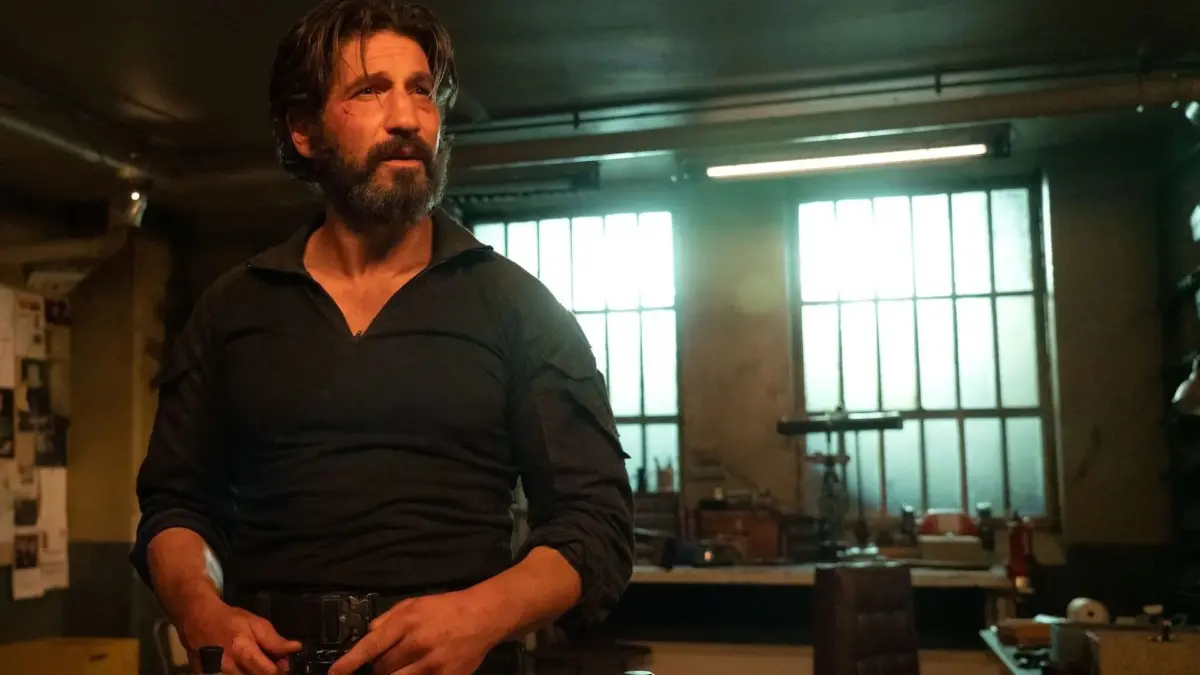
Ever since superhero movies and television series evolved into the dominant force of modern pop culture, fans and critics alike have intensely debated which actors are the absolute, definitive fit for their respective comic book characters. This ongoing discourse has only escalated over the years, particularly as multiple generations of performers have stepped into iconic roles like Superman and Spider-Man, inviting constant comparison. Yet, nearly a decade ago, one of the most seamless, critically acclaimed actor-to-character pairings in comic book history materialized when Jon Bernthal stepped into the tactical boots of Frank Castle for Netflix’s television universe. In doing so, Bernthal delivered a portrayal of the Punisher that stands out as one of the grittiest, most uncompromising, and action-packed comic book adaptations ever produced for the screen.
Bernthal first introduced audiences to his visceral interpretation of Castle during the second season of Marvel’s Daredevil, laying the essential groundwork for his eventual solo series debut. In Daredevil, Frank Castle was introduced as a force of nature, a vengeful vigilante hunting down the criminal underworld responsible for the brutal murders of his wife and children. His ruthless methods inevitably brought him into both physical and moral conflict with Matt Murdock, the blind attorney and vigilante whose code against killing clashed fundamentally with Castle’s absolute execution of justice.
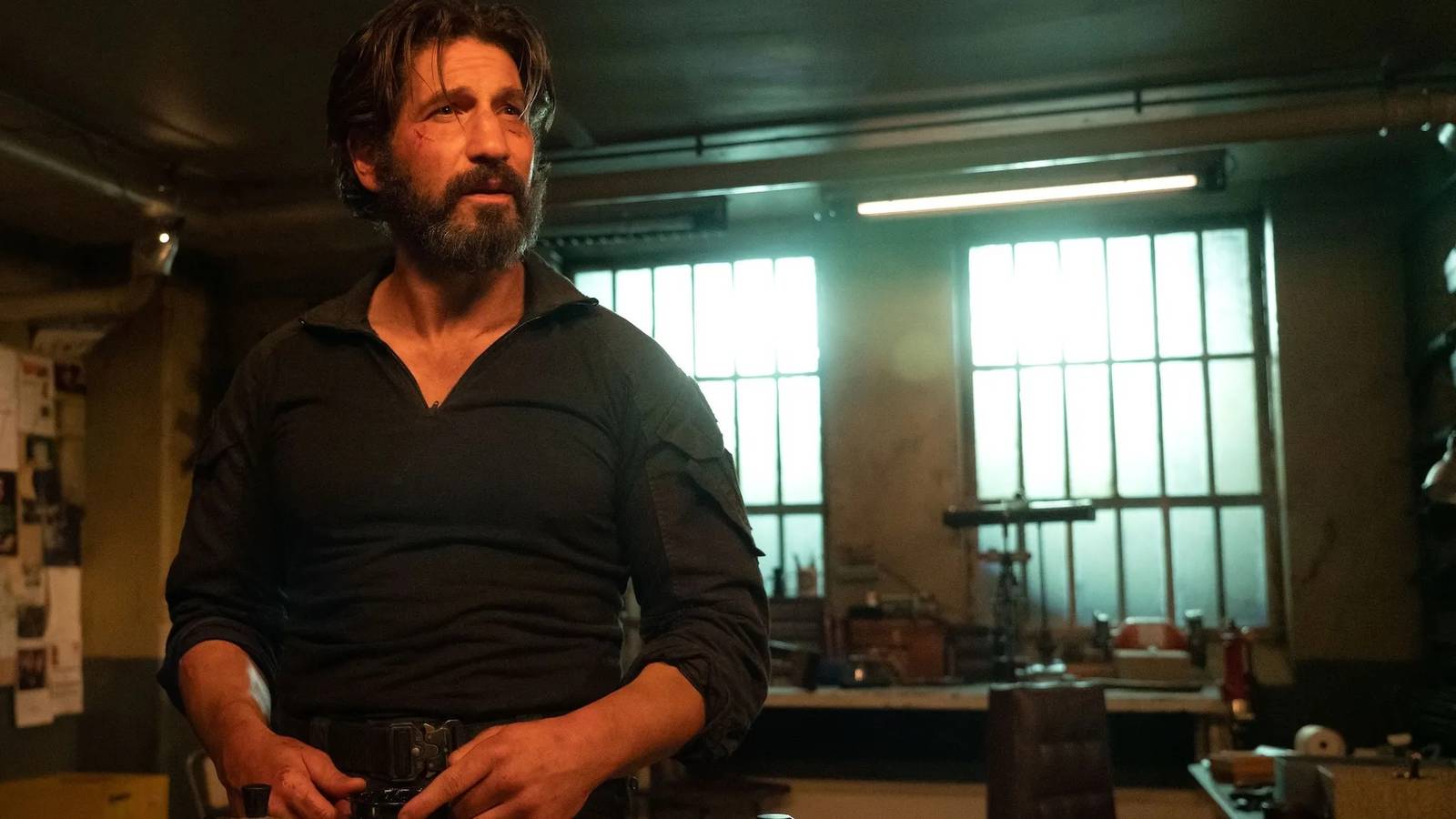
When The Punisher spun off into its own dedicated series, it continued this harrowing character journey while introducing several new narrative elements to complicate Frank’s path. Among them was an uneasy alliance with David Liberman, a brilliant and paranoid tech expert known as "Micro," played by Ebon Moss-Bachrach. Additionally, the series brought back Billy Russo, played by Ben Barnes, Frank’s former military brother-in-arms whose ultimate betrayal forms the emotional core of the series. Rounding out the primary dynamic was Dinah Madani, portrayed by Amber Rose Revah, a sharp and relentless Homeland Security agent who is utterly determined to bring Castle to justice, regardless of the institutional corruption standing in her way.
‘The Punisher’ Doesn’t Shy Away from the Character’s Complexity
Part of the enduring appeal of the Punisher within the wider Marvel pantheon is that, unlike the vast majority of his costumed superhero counterparts, Frank Castle possesses no special superpowers, mystic enhancements, or cosmic abilities. Instead, he relies almost entirely on his elite military training, tactical genius, and a formidable arsenal of firearms to deliver his own brutal brand of frontier justice to the wicked. Yet, beneath the gunfire and tactical maneuvers, the narrative consistently confronts a sobering reality: no matter how many criminals Castle executes, the violence can never truly fill the profound void left inside him by the loss of his family.
In the afterword to Punisher: The King of Killers, writer Jason Aaron argues that Frank Castle’s entire existence is defined by unmitigated tragedy. The television series leans heavily into this psychological weight, explicitly demonstrating that Castle suffers from immense post-traumatic stress disorder stemming from his classified tours as a soldier, compounding the grief of his family’s assassination. For Castle, the narrative suggests, the only moments of absolute clarity or temporary peace come when he is actively dismantling the criminal ecosystem.

Jon Bernthal deeply understood this psychological burden, expanding upon the character’s core ethos in interviews during the show’s initial run. Explaining what ultimately drove him to accept and passionately champion the role, Bernthal noted that Castle’s lack of traditional superhero tropes was precisely what made him compelling. "He ain’t got a fing cape," Bernthal remarked during a profile discussion. "He ain’t got any superpowers. He’s a fing tortured, angry father and husband who’s living in this unbelievable world of darkness and loss and torment."
Both seasons of The Punisher provided Castle with ample opportunities to unleash his pent-up fury upon the guilty. In the explosive first season, the revelation that Billy Russo was a primary architect behind the conspiracy that led to the death of Castle’s family sets up a devastating confrontation. Castle exacts a horrific and deeply symbolic revenge by grinding his former friend’s face into a shattered mirror. While this act does not kill Russo, it permanently disfigures him, physically and psychologically transforming him into the infamous comic book villain Jigsaw. That visceral scene remains just one of many blood-soaked, highly choreographed action sequences that defined the series’ run, establishing a standard of violence where Castle utilized firefights, heavy blades, and brutal hand-to-hand combat to mete out death.
Jon Bernthal Recently Returned to Play the Punisher
When The Punisher officially concluded its run on Netflix in 2019, it appeared to mark the definitive end of Jon Bernthal’s tenure as the iconic antihero, especially as Marvel Studios began consolidating its television and cinematic properties under the Disney umbrella. However, that retirement proved to be short-lived. Following a massive wave of fan demand and shifting corporate strategies, Disney+ began the process of reintegrating Marvel’s Netflix-era street-level heroes into the official Marvel Cinematic Universe canon, beginning with the development of Daredevil: Born Again.

Bringing Frank Castle back into the fold required careful creative orchestration. It took extensive discussions with Bernthal himself, alongside a significant creative overhaul of the project that brought in original Punisher writer Dario Scardapane to steer the character’s narrative direction. When Frank Castle finally re-emerged on screen, it led to a watershed moment that long-time comic book fans had been anticipating for years. In a powerful sequence that directly addressed real-world appropriations of the character’s iconic skull symbol, Castle openly denounced a corrupted faction of police officers who had weaponized his emblem to justify their own unauthorized, brutal murders—ultimately gunning most of them down in cold blood.
Bernthal’s return to the role was not merely a brief cameo or a nostalgic nod to the past. The actor continued to anchor the character across subsequent multimedia projects, co-writing and starring in the Marvel Special Presentation The Punisher: One Last Kill, while also crossing over to co-star in Spider-Man: Brand New Day. For audiences looking to understand the depth, intensity, and uncompromising grit that Bernthal brought to the role from the very beginning, revisiting the original Netflix series offers a stark reminder of why his interpretation of Frank Castle remains a definitive milestone in modern comic book television.