A 24-hour fast may serve as more than just a dietary choice; for patients undergoing cancer therapy, it could be a vital biological intervention. New preclinical research from The University of Texas MD Anderson Cancer Center has unveiled a sophisticated mechanism by which fasting helps the intestines recover from the ravages of radiation. The study identifies a specific gut bacterium that acts as a linchpin in this process, revealing how nutritional states and the microbiome collaborate to trigger the body’s innate tissue repair systems.
The findings, published in the Proceedings of the National Academy of Sciences, offer a glimpse into a future where the side effects of cancer treatment might be significantly mitigated. By harnessing the body’s ability to regenerate its own delicate tissues, researchers hope to improve the safety profile of radiation therapy, potentially allowing for more aggressive and effective cancer treatments without the debilitating collateral damage that currently plagues many patients.
The study was co-led by Helen Piwnica-Worms, Ph.D., professor of Experimental Radiation Oncology, and Kunal Rai, Ph.D., professor of Genomic Medicine. Their work builds upon years of research into the physiological effects of metabolic shifts on cellular resilience.
"Fasting helps prepare intestinal cells to respond more quickly and effectively after injury, almost like training the cells with an emergency preparedness plan," Dr. Piwnica-Worms explained. "This study helps explain how that plan is organized and identifies a key bacterium involved in coordinating the response."
The Vulnerability of the Intestinal Lining
Radiation therapy remains a cornerstone of oncology, particularly for cancers localized within the abdomen, such as pancreatic, colorectal, and gynecologic malignancies. While the primary goal is to eradicate malignant cells, radiation is inherently imprecise, often damaging the healthy tissues that lie in the path of the beam. The small intestine is particularly susceptible to this damage.
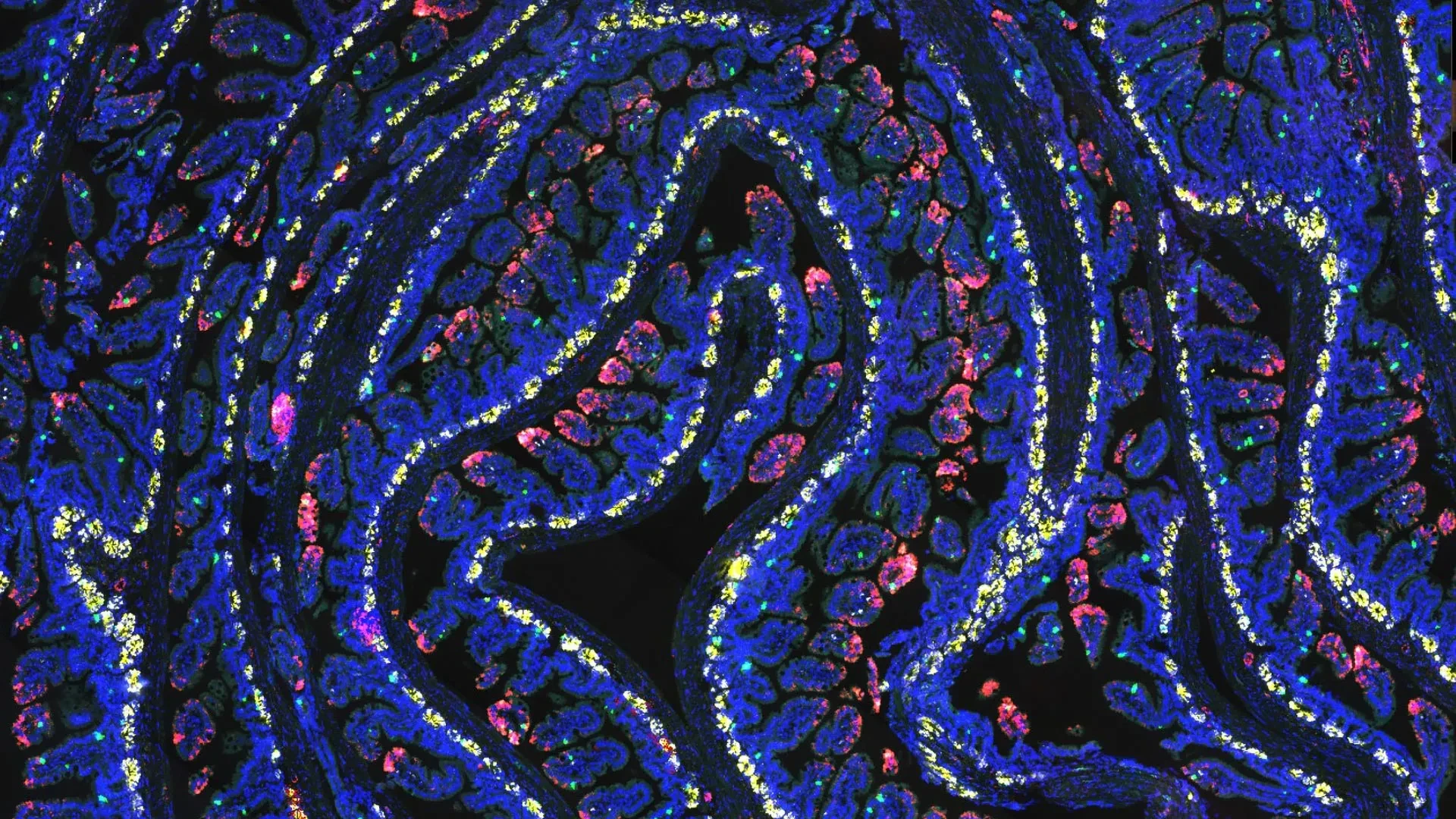
The intestinal lining is a complex, rapidly regenerating structure, but its very speed of turnover makes it hypersensitive to ionizing radiation. When this protective barrier is compromised, patients frequently suffer from severe gastrointestinal distress, including nausea, diarrhea, and a heightened risk of opportunistic infections. In the most severe cases, damage to the intestinal wall can lead to life-threatening complications. These risks are not merely uncomfortable; they are restrictive. Because doctors must balance the curative potential of radiation against the risk of permanent tissue damage, the threshold for toxicity often limits the total dose of radiation that can be safely administered, thereby capping the treatment’s overall effectiveness.
Unlocking the Mechanism of Regenerative Resilience
Previous research conducted by the Piwnica-Worms Laboratory had established a provocative link: fasting prior to radiation exposure appeared to confer a protective benefit, allowing the intestines to recover with greater speed and efficiency. However, the precise biological "why" remained elusive. The scientific community had long suspected that the systemic changes triggered by a 24-hour fast—such as shifts in glucose levels and hormonal signaling—played a role, but the specific molecular pathways were not fully understood.
This latest study provides a critical piece of the puzzle. Researchers discovered that a 24-hour fast induces a specific shift in the gut microbiome, significantly increasing the abundance of a beneficial bacterium known as Akkermansia muciniphila, or AKK.
This microbe does not merely exist in the gut; it actively communicates with the intestinal environment by producing a metabolite called propionate. Propionate, in turn, acts as a chemical signal that modifies the internal environment of intestinal cells. Specifically, it works in tandem with the metabolic shifts caused by fasting to alter histones. Histones are the proteins that act as the structural scaffolding for DNA, organizing the genetic material into tightly packed bundles. By adding small chemical markers to these histones, the cell can effectively "open" or "close" access to certain sections of the genome without altering the underlying DNA sequence—a process known as epigenetic modification.
These modifications are transformative. They make specific portions of the DNA, which contain the instructions for tissue regeneration, more accessible to the cell’s machinery. Essentially, the fast creates a state of "readiness." A population of intestinal cells, now primed with these activated repair programs, becomes more abundant. When radiation eventually strikes, these cells are not caught off guard; they are already mobilized, allowing them to rapidly expand and rebuild the damaged lining of the intestine.
The Essential Role of the Microbiome
To confirm that Akkermansia muciniphila was a necessary component of this recovery process, the research team conducted experiments where the bacterium was selectively removed. The results were stark: in the absence of AKK, the protective benefits of fasting vanished. The intestines no longer exhibited the enhanced regenerative capacity seen in the presence of the microbe.
Even more compelling was the observation that the protective response could be restored when the bacterium was reintroduced alongside the fasting protocol. This suggests that the relationship is synergistic; neither the metabolic shift of fasting nor the presence of the bacterium is sufficient on its own to reach the full potential of the regenerative response. Instead, it is the interaction between the two that programs the cells to endure and recover from damage.
This discovery highlights that fasting induces a profound, systemic change that extends beyond simple caloric restriction. It suggests that the gut microbiome is a key participant in the body’s stress response, and that by modulating the microbiome, scientists might be able to artificially induce these protective states.
Future Implications for Cancer Care
While these preclinical results are highly encouraging, researchers are careful to emphasize that the work is currently in the experimental stage. Moving from animal models to human clinical trials requires a cautious, evidence-based approach. The next steps will involve determining whether this identical protective mechanism functions in humans and identifying the safest way to leverage this pathway for patients undergoing active cancer treatment.
If the findings are validated in human trials, the implications could be far-reaching. Beyond the small intestine, researchers are curious whether this repair mechanism could be applied to other tissues that are notoriously vulnerable to cancer treatments, such as bone marrow, which is essential for blood cell production and often severely impacted by chemotherapy and radiation.
Furthermore, the prospect of achieving these protective benefits without requiring patients to fast is an area of intense interest. Cancer treatment is physically and emotionally taxing, and forcing patients to adhere to strict fasting regimens can be logistically challenging and, for some, detrimental to their nutritional status. If scientists can identify ways to simulate the effects of AKK or the production of propionate through targeted supplements or probiotic interventions, it could provide the benefits of "pre-conditioning" the gut without the hardship of food restriction.
"Fasting is not always practical for cancer patients, and this work supports several other potential ways to enhance recovery after treatment," said Dr. Rai. "Whether through dietary interventions, targeted microbes, or their metabolites, the goal is to help repair healthy tissue more effectively while patients receive the cancer therapies they need."
As the research progresses, the medical community will look for ways to translate these molecular findings into clinical applications. The goal remains consistent: to maximize the precision and efficacy of cancer treatments while minimizing the burden on the patient’s healthy tissues. By understanding the intricate dialogue between our diet, our microbes, and our cells, scientists are opening new pathways to ensure that the body is better equipped to heal, even in the face of the most intensive cancer therapies.
The study, which was funded by the National Cancer Institute (NCI) and the Cancer Prevention and Research Institute of Texas (CPRIT), represents a significant step forward in the field of supportive oncology. It underscores a growing recognition that the body’s own internal ecosystems, particularly the microbiome, are not just passive observers in health and disease but active, manageable participants in the healing process.