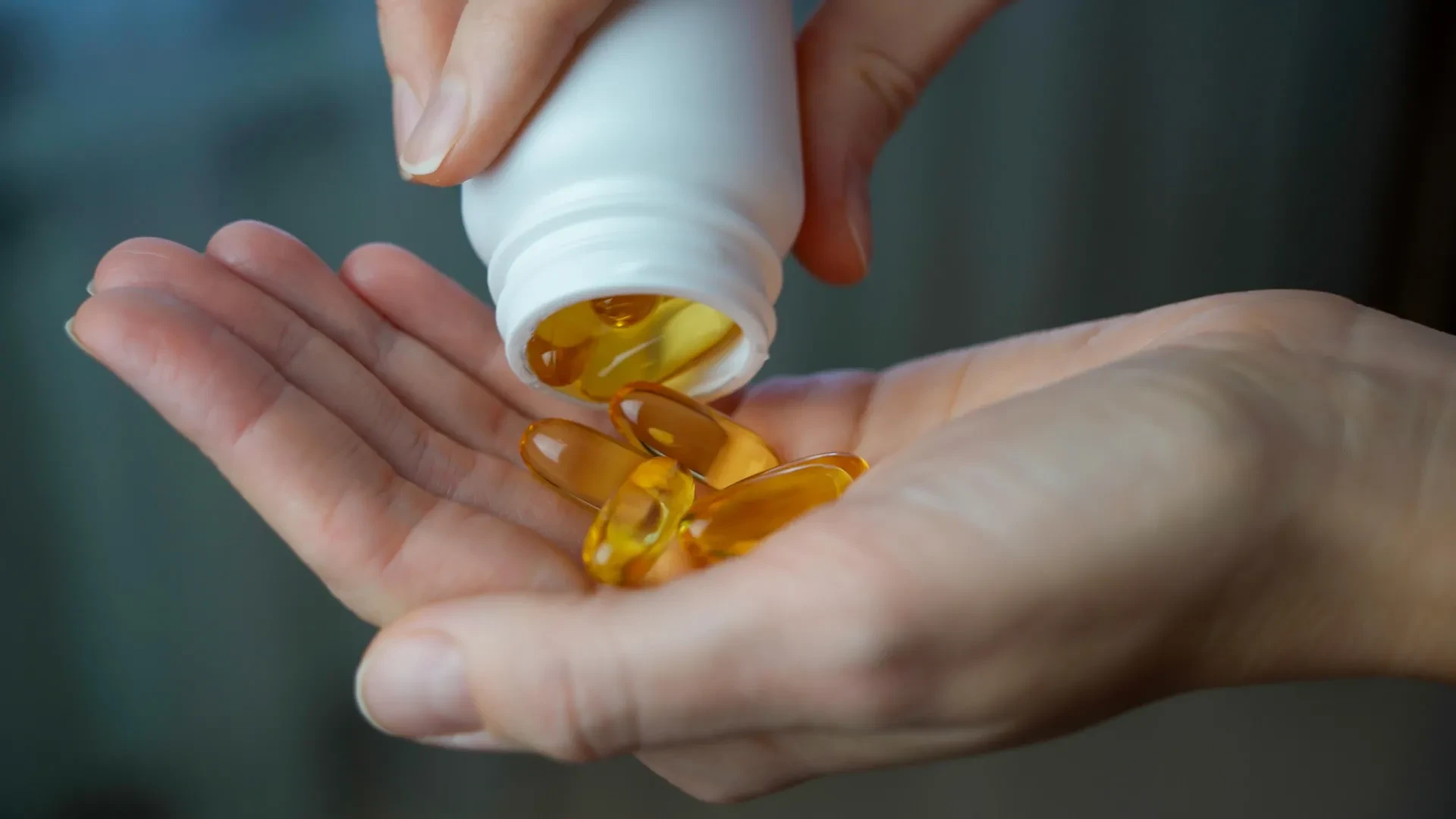
A widely available nutritional supplement derived from vitamin B5 may offer a groundbreaking new approach to managing psoriasis, according to recent research conducted by a team of scientists in China. The study, published on October 27 in the Journal of Experimental Medicine (JEM), highlights the potential of pantethine to calm the overactive immune cells responsible for autoimmune inflammation. By intervening in the biological pathways that trigger the condition, this accessible supplement not only prevented the development of psoriasis in animal models but also demonstrated significant clinical improvement in a small cohort of human patients.
The findings offer a deeper understanding of the complex interplay between cholesterol metabolism and the immune system. For years, the medical community has sought to understand why certain metabolic shifts can lead to chronic inflammatory conditions. This research suggests that by targeting the Vanin-pantethine-cholesterol axis, it may be possible to reduce the excessive immune activity that characterizes psoriasis and potentially other related autoimmune disorders.
How Overactive Immune Cells Contribute to Psoriasis
At the core of this discovery is a specific type of immune cell known as a dendritic cell. These cells are essential to the body’s internal defense system, serving as the master coordinators that identify pathogens and alert the rest of the immune system to potential threats. Under normal circumstances, dendritic cells perform a critical duty: they capture foreign substances, known as antigens, and "present" them to T cells. This presentation process tells T cells which threats to neutralize. Furthermore, dendritic cells release chemical signals—cytokines—that recruit additional immune reinforcements to the site of an infection and trigger the necessary inflammatory response to clear the danger.
However, the immune system is a delicate balance. When dendritic cells become hyper-activated, they cease to be helpful guardians and instead become engines of pathology. In patients with psoriasis, these cells remain in a state of chronic activation, misinterpreting the body’s own signals or responding disproportionately to environmental triggers. This leads to the persistent, painful inflammation and skin lesions characteristic of the condition.
"Emerging evidence highlights that metabolic pathways and their associated metabolites play vital roles in regulating immune cell function and autoimmune progression," explains Wei-Na Zhang, a lead researcher at the State Key Laboratory of Biomedical Analysis in Beijing. "But therapeutic strategies targeting metabolism in inflammatory diseases remain underexplored." Dr. Zhang led the research alongside colleagues Qing Xia, Ai-Ling Li, and Tao Zhou from the same laboratory, in collaboration with Cheng-Xin Li of The First Medical Center of the Chinese PLA General Hospital in Beijing.
Scientists Discover a Hidden Link Between Cholesterol and Psoriasis
In their search for a solution, the team analyzed the molecular makeup of dendritic cells taken from individuals suffering from psoriasis and other autoimmune diseases. They discovered a consistent anomaly: significantly elevated levels of enzymes known as Vanins. These enzymes are key regulators in cellular metabolism, particularly in the conversion processes that dictate how cells process nutrients and energy.
The research team hypothesized that these elevated Vanin levels were driving the dysfunction of the dendritic cells. To test this, they reduced Vanin levels in laboratory models, observing that the dendritic cells immediately became less reactive and lost their ability to over-stimulate T cells. Furthermore, when they utilized a pharmacological inhibitor to block Vanin activity in mice, they were able to prevent the development of psoriasis entirely.
The investigation then turned to the mechanism behind this interaction. Vanins are responsible for converting pantethine into vitamin B5, a vital nutrient required for cellular energy production. Pantethine is already available over-the-counter as a supplement, frequently utilized by individuals looking to manage their blood cholesterol levels. The team discovered that this wasn’t merely a coincidence; the connection between cholesterol and immune health is far more profound than previously understood. Cholesterol is not just a substance circulating in the blood; it is a fundamental component that influences the internal environment of immune cells. Previous studies have already established that high blood cholesterol is a major risk factor for the development of psoriasis, and that cholesterol can directly stimulate dendritic cell activity.
The research team found that excessive Vanin activity effectively depletes the supply of pantethine within the dendritic cells. As pantethine levels drop, the cells compensate by increasing cholesterol production, which in turn causes the cells to become hyper-activated. When the researchers introduced pantethine as a supplement, it interrupted this cycle. By restoring the intracellular levels of pantethine, the scientists reduced cholesterol accumulation within the dendritic cells, effectively silencing the excessive immune activation that fuels the inflammation.
"We found that pantethine administration effectively alleviated psoriasis in mice, suggesting that insufficient pantethine levels may be the crucial contributor to hyper-activation of dendritic cells and autoimmune inflammation following the up-regulation of Vanins," says Dr. Zhang.
Common Supplement Shows Promise in Human Psoriasis Trial
Following the success of the laboratory and animal studies, the researchers sought to determine if these findings could translate to human patients. They organized a pilot clinical trial involving 24 participants living with psoriasis. The study design was intended to see if pantethine could serve as an "adjunctive" therapy—meaning it would be used alongside standard treatments to improve overall outcomes.
All 24 participants were treated with a topical ointment consisting of a combination of calcipotriene and betamethasone. Calcipotriene, a vitamin D derivative, is standard practice for regulating skin cell growth, while betamethasone is a corticosteroid used to dampen the body’s inflammatory response. The study was split into two groups: one received the standard ointment alone, while the other group received the ointment in combination with daily oral pantethine tablets.
After a 12-week period, the results were promising. Patients who had incorporated the pantethine supplement showed greater improvement in their psoriasis symptoms compared to those who relied on the ointment alone. The researchers noted that these improvements were particularly pronounced in participants who had high blood cholesterol levels prior to the start of the study, suggesting that the supplement’s effect on cholesterol metabolism may indeed be the mechanism driving the clinical success.
While these results are encouraging, the research team remains cautious. With a sample size of only 24 participants, the study is categorized as a proof-of-concept rather than a definitive clinical recommendation. The team emphasized that larger, multi-center trials are necessary to validate the efficacy of the supplement and to determine the ideal dosage and duration of use. Furthermore, while the animal models strongly suggest the Vanin-pantethine-cholesterol axis is the cause of the improvement, more work is needed to confirm that this exact biological process is what is occurring in human patients.
"Our investigator-initiated clinical trial demonstrated encouraging therapeutic efficacy of pantethine as an adjunctive therapy in psoriasis, but these findings should be interpreted as proof-of-concept for clinical feasibility rather than direct mechanistic validation," Dr. Zhang notes. Despite the need for further study, the research provides a foundational shift in how medical professionals might view the relationship between metabolic health and autoimmune disease. By uncovering the Vanin-pantethine-cholesterol axis as a key regulator of dendritic cell function, the team has opened the door for new, targeted metabolic strategies for treating a wide array of autoimmune conditions, offering a glimmer of hope for patients who struggle with the limitations of current standard-of-care treatments.