In an era increasingly dominated by algorithmic design, digital rendering, and fast-paced trend cycles, designer Barbara Tfank remains resolutely anchored in the meticulous world of traditional craftsmanship. While much of the contemporary fashion industry has rushed to embrace digital innovation and automated production methods, Tfank has stayed steadfastly true to her enduring passion for eveningwear and the painstaking artistry required to create it. Rather than looking forward to virtual aesthetics, her creative process continues to reach backward into the storied heritage of European textile mills—partnerships she has maintained since the very inception of her brand.
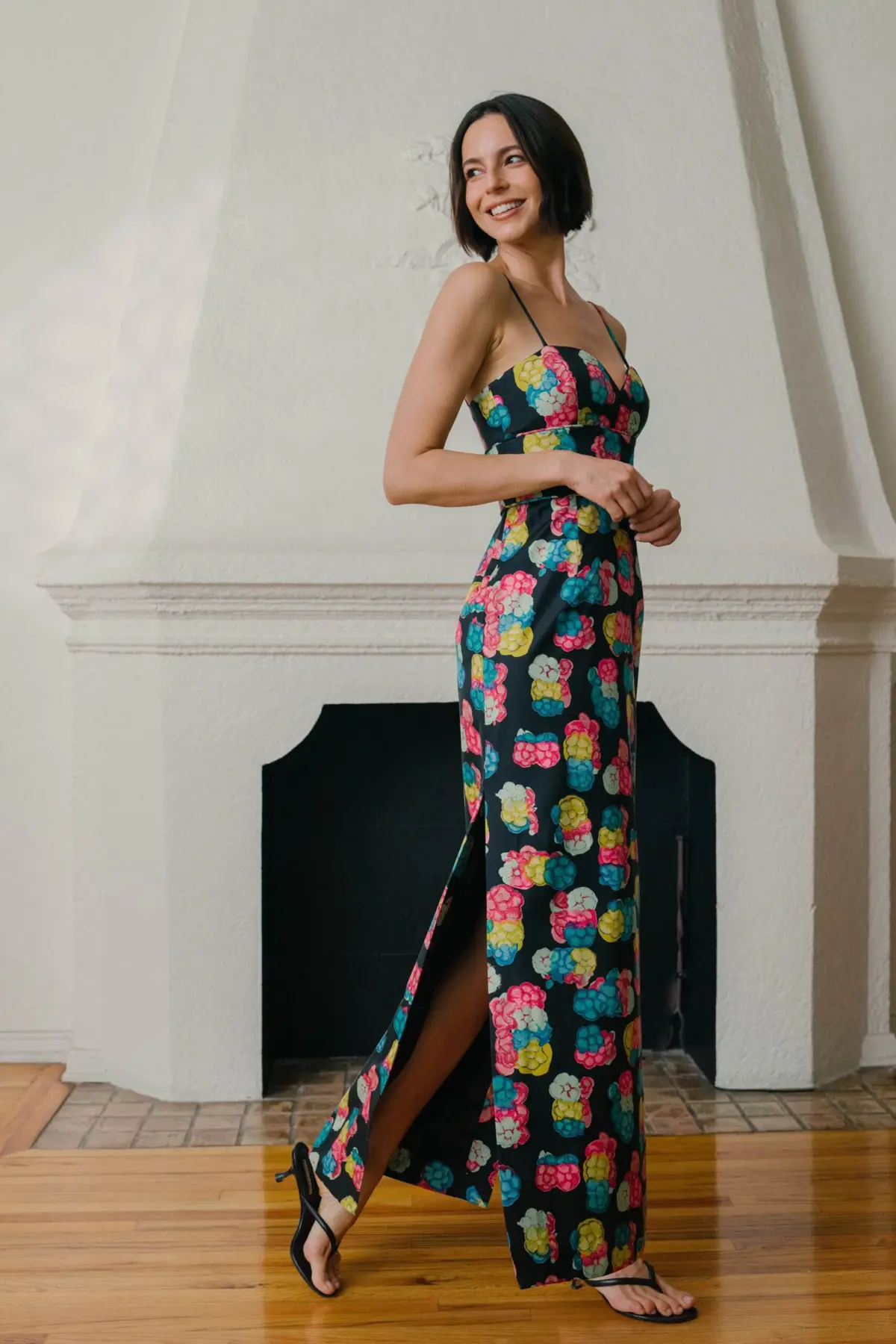
For her latest spring collection, Tfank turned her discerning eye toward her own vast and carefully curated archive, unearthing a rare treasure trove of unused textiles from Bianchini Férier, the legendary French silk house. Among these rediscovered materials were exquisite prints originally painted and designed by the renowned artist Raoul Dufy. Because of their unique artistic pedigree, these fabrics function more as museum-caliber collectibles than mere garments.
Describing the vibrant, lush florals rendered in vivid hues that defined the selection, Tfank expressed her profound appreciation for their tactile history. She noted that she was exceptionally happy to discover these forgotten pieces in her archive because there is nothing digital about them; every stroke was executed entirely by hand, imbuing the material with a profound sense of timelessness that modern printing techniques struggle to replicate.
Building her spring silhouettes around these remarkable historical textiles, Tfank chose to revamp several of her most beloved, signature styles. Among the standout pieces are her classic off-the-shoulder gowns, meticulously reimagined in fresh, spring-ready organza that highlights the lightness and movement of the season. In addition to refining her traditional column gowns—a staple of her eveningwear offerings—she made a subtle yet telling adjustment to her hemlines. By cutting one particular dress a touch shorter than she typically prefers, letting it fall gracefully to mid-shin, Tfank has demonstrated a keen awareness of shifting consumer habits. This thoughtful design modification is explicitly intended to cater to the emerging demographic of casual evening gown customers, recognizing that modern clientele might occasionally prefer to pair an elegant evening look with effortless thong heels rather than a formal, proper pair of Manolo Blahniks for a night out.
Continuing along this trajectory of accessible elegance, Tfank also explored several distinctly casual styles that harmonize with broader seasonal movements, such as the prominent bra tops that have dominated spring runways. Her interpretation of the trend features a groovy Férier print, styled harmoniously with relaxed, wide-label pants that bridge the gap between high fashion and everyday comfort.
Further expanding the collection, Tfank introduced an airy halterneck dress complete with a dramatic long train, alongside a charmingly casual navy-and-white sundress. The backstory of the sundress highlights the extraordinary serendipity of Tfank’s archival excavation; she revealed that the very same fabric was once utilized to create a custom coat for former First Lady Michelle Obama. Bringing that specific print back into rotation represents a moment of divine timing, seamlessly connecting the rich historical pedigree of her archive with the contemporary demands of modern red-carpet and everyday elegance.