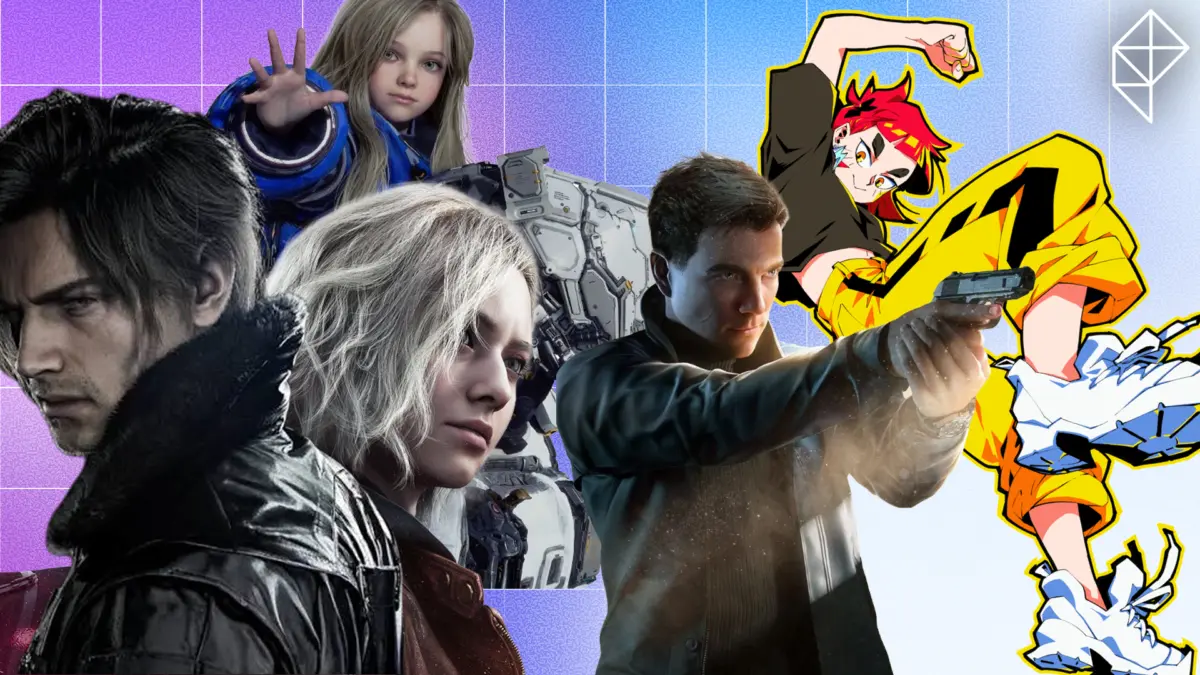
What actually constitutes great "game direction"? It is a deceptively simple question that has as many answers as there are creators in the industry. While players’ minds often immediately jump to cinematic AAA blockbusters—where high-budget cutscenes, sweeping orchestral scores, and high-octane spectacle make a director’s guiding hand instantly recognizable—the true beauty of interactive entertainment lies in the sheer breadth of its forms. Greatness in gaming is rarely monolithic; it is a moving target shaped by endless stylistic approaches, technical hurdles, and creative risks.
To explore this misunderstood and multifaceted art form, Polygon brought together some of the most prominent creative minds behind 2026’s most ambitious video games. The resulting conversation dives deep into the delicate, often precarious balance of artistic vision, technical execution, and player experience that is required to transform a scattered collection of conceptual ideas into a genuine Game of the Year contender.
Across the industry, defining the spark that ignites a great project varies wildly from one studio to the next. For some developers, genuine game direction begins with the unyielding conviction to attempt something that has quite literally never been done before. Mikael Kasurinen, director of Control Resonant, argues that standing out in a crowded market requires absolute uniqueness. "You need to be distinctive. You need to be doing things that nobody else is doing," Kasurinen explains, emphasizing that pushing the medium forward demands a willingness to step into uncharted territory rather than refining safe, established formulas.
Conversely, for other creators, chasing originality for its own sake can be a distraction from the core goal of craft. Eric Berger, the creative lead behind Queen’s Domain, takes a much more grounded approach to the development process. "I don’t wanna spend a lot of time figuring out how to make it special and different," Berger notes, framing his philosophy around purity of execution. "I just wanna make every aspect of it as good as we can figure out how to make it."
Other times, an entire, sweeping creative vision can stem from a concept so delightfully ridiculous that it practically demands to be built. David Jaumandreu, director of Denshattack, recalls how his entire project began with a single, absurd premise: wondering what it would feel like to play a classic Tony Hawk skateboarding game, but swapping out the skateboard for a massive, speeding commuter train.
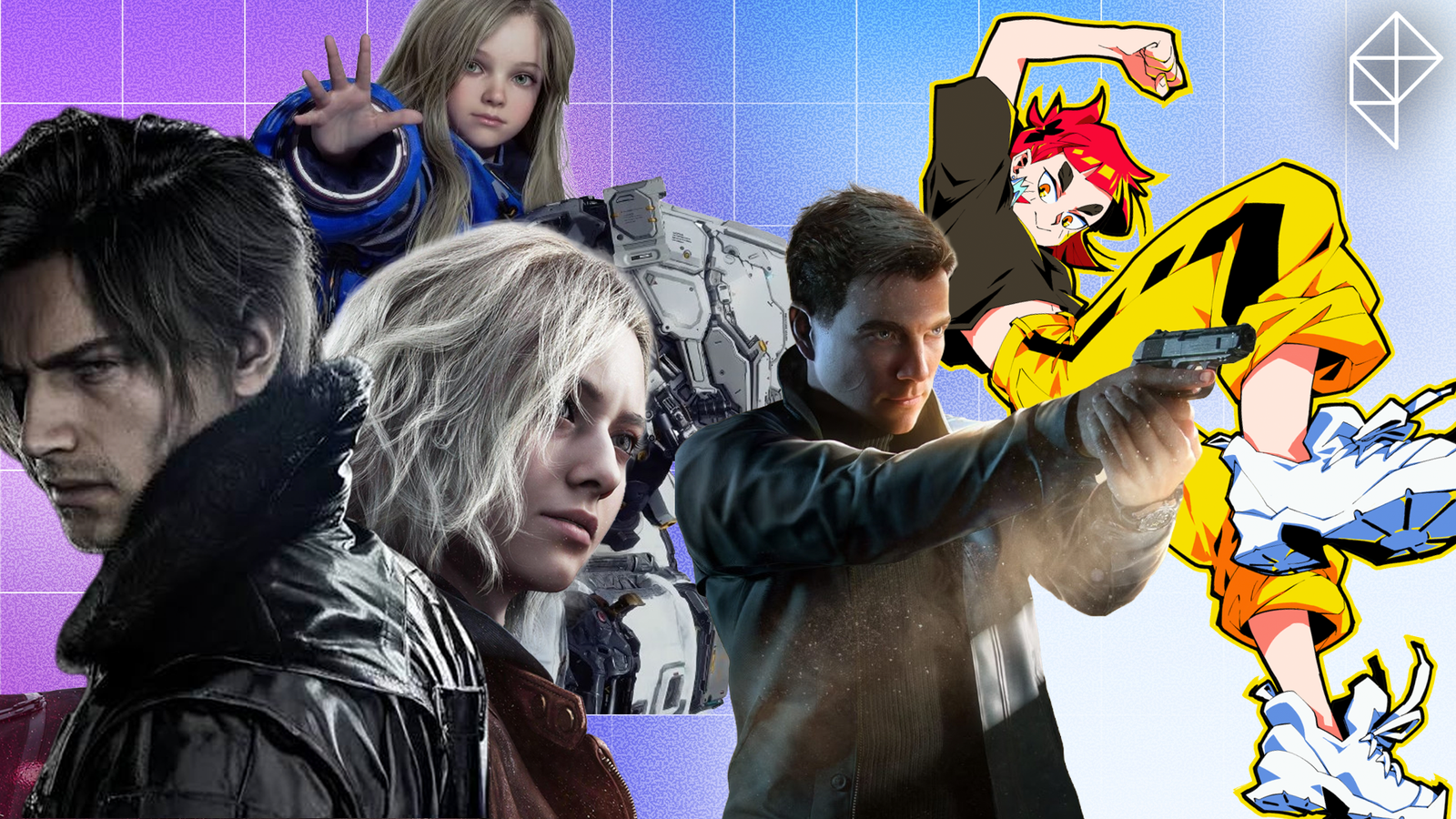
Yet, regardless of whether a game is born from avant-garde ambition, relentless polish, or a whimsical thought experiment, every developer ultimately collides with the exact same foundational design challenge. No matter how singular or personal a vision might be, creators must constantly answer a fundamental question: How do you make something that feels unmistakably your own while remembering that somebody actually has to sit down and enjoy playing it?
Throughout the wide-ranging roundtable conversation, the individuals shaping the next generation of games pull back the curtain on how lofty ambitions survive direct contact with the sobering realities of production. The scale of the challenge shifts drastically depending on the studio, but the core questions of design remain remarkably consistent.
Take, for instance, the stark contrast between small independent teams and massive corporate studios. Eric Berger’s work on Queen’s Domain is largely driven by a remarkably tight two-person team, forcing the developers to focus intensely on building a strange, deeply interconnected world with limited resources. On the other end of the spectrum, developers at Capcom face an entirely different set of pressures on massive projects like Resident Evil Requiem and Pragmata. For Resident Evil Requiem, the team must expertly balance mounting psychological terror with high-stakes action, threading a notoriously narrow needle that the franchise has spent decades refining. Meanwhile, with Pragmata, Capcom’s creators have found themselves tasked with inventing an entirely new gameplay language from scratch, figuring out how to communicate mechanics to players who have no preexisting framework to rely on.
The discussion also explores the physical and emotional weight of player interaction. The creators of Cairn break down the intricate mechanics required to make players physically and emotionally feel the grueling struggle of climbing a massive, unforgiving mountain, translating exhaustion and tension directly into the controller. Meanwhile, the brilliant minds behind other 2026 standouts—including Mina the Hollower, Star Wars: Zero Company, 007 First Light, and Zero Parades—wrestle with a massive spectrum of design hurdles. Their conversations span the tricky balancing act of game difficulty and player freedom, the complexities of non-linear narrative delivery, the nuances of team collaboration, and the inevitable personal and professional sacrifices required to shepherd a singular creative vision across the finish line.
Ultimately, there is no universal, step-by-step formula for great game-making. Every project demands its own unique methodology, compromises, and breakthroughs. However, the developers who joined the conversation share a common thread: the creative guts to throw themselves headfirst into the tumultuous work of development just to see what happens on the other side.
Understanding how invisible design decisions fuse with grand, big-picture visions offers a richer appreciation for the games we play. By looking behind the curtain at the choices made by directors shaping the industry, players gain a deeper understanding of the meticulous craft required to produce the experiences we will continue discussing long after the credits roll on 2026.