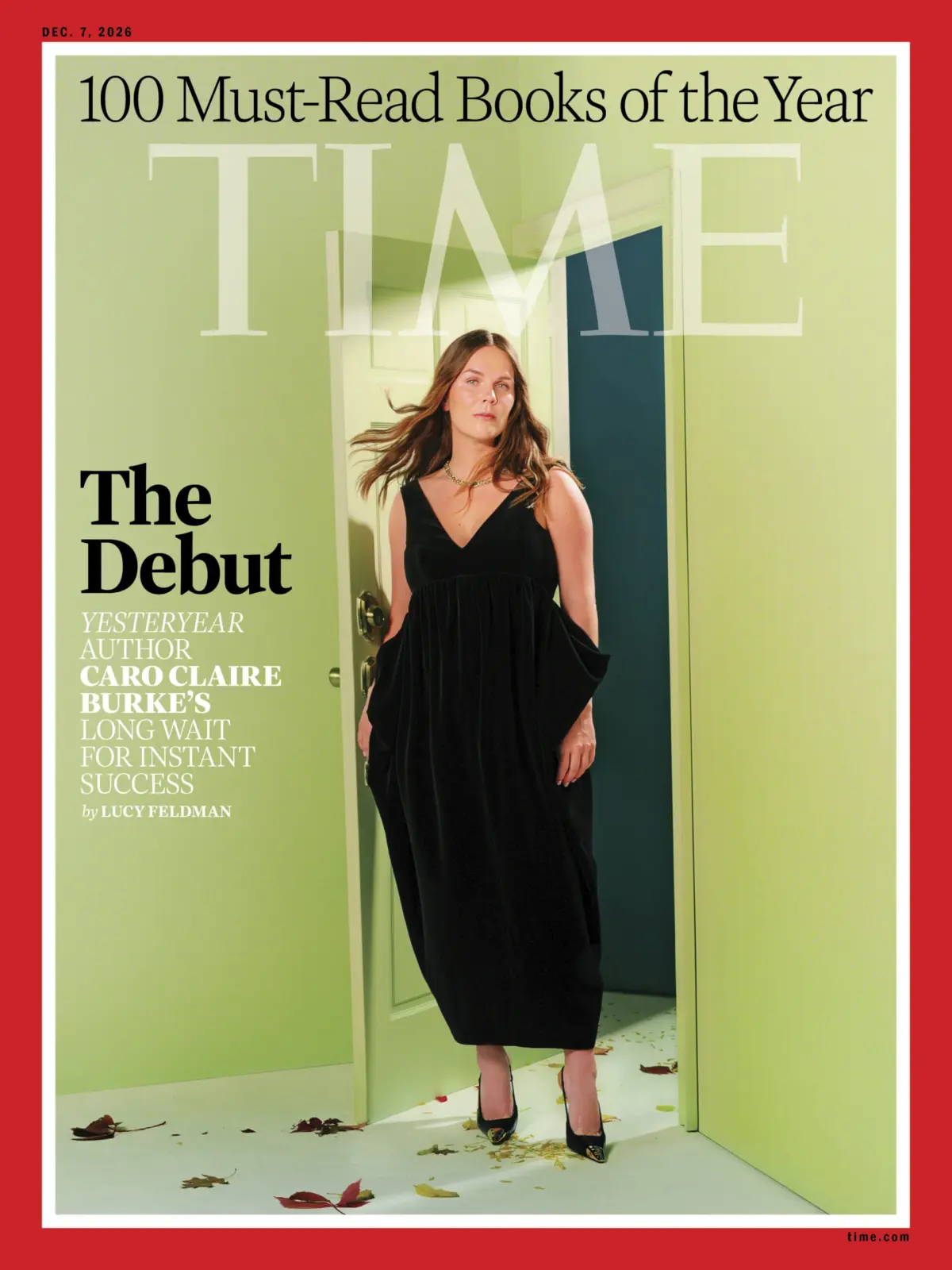
Today marks a significant moment for contemporary literature as TIME Magazine released its highly anticipated annual list of the 100 "must-read" books of 2026. Among the heavily discussed titles selected by the publication is Yesteryear by acclaimed novelist Caro Claire Burke. In a rare and prestigious honor for a fiction writer, Burke is not only featured within the pages of this year’s compilation, but she also graces the official cover of the magazine, drawing fresh attention to the enduring cultural and social power of the modern novel.
The inclusion of a novelist on the cover of TIME is an increasingly uncommon occurrence in contemporary publishing, making Burke’s appearance a notable milestone. While fiction writers were once standard figures on the magazine’s front cover during earlier decades of literary and cultural prominence, the honor has grown remarkably scarce in modern publishing history.
Prior to Burke, the last novelist to capture the cover of TIME was Taylor Jenkins Reid in 2025. Before Jenkins Reid’s appearance, the landscape of the magazine’s covers featured very few fiction writers over the span of more than a decade. In 2021, Akwaeke Emezi was featured as part of the magazine’s high-profile "Next Generation Leaders" package, and poet Amanda Gorman famously captured a solo cover during that same year.
A historical look back reveals just how rare these cover placements have become for writers of fiction. In 2010, Jonathan Franzen famously made waves across the literary world by becoming the first living novelist to be featured on the cover of TIME in an entire decade. Nearly ten years later, Colson Whitehead achieved the same distinction in 2019, following the widespread critical acclaim of his vital works of fiction. With Burke appearing on the cover following Jenkins Reid’s recent feature, observers of the industry note that the 2020s are experiencing a modest resurgence in the visibility of novelists on mainstream media front covers, signaling a potential shift in how contemporary literary voices are elevated in broader cultural conversations.
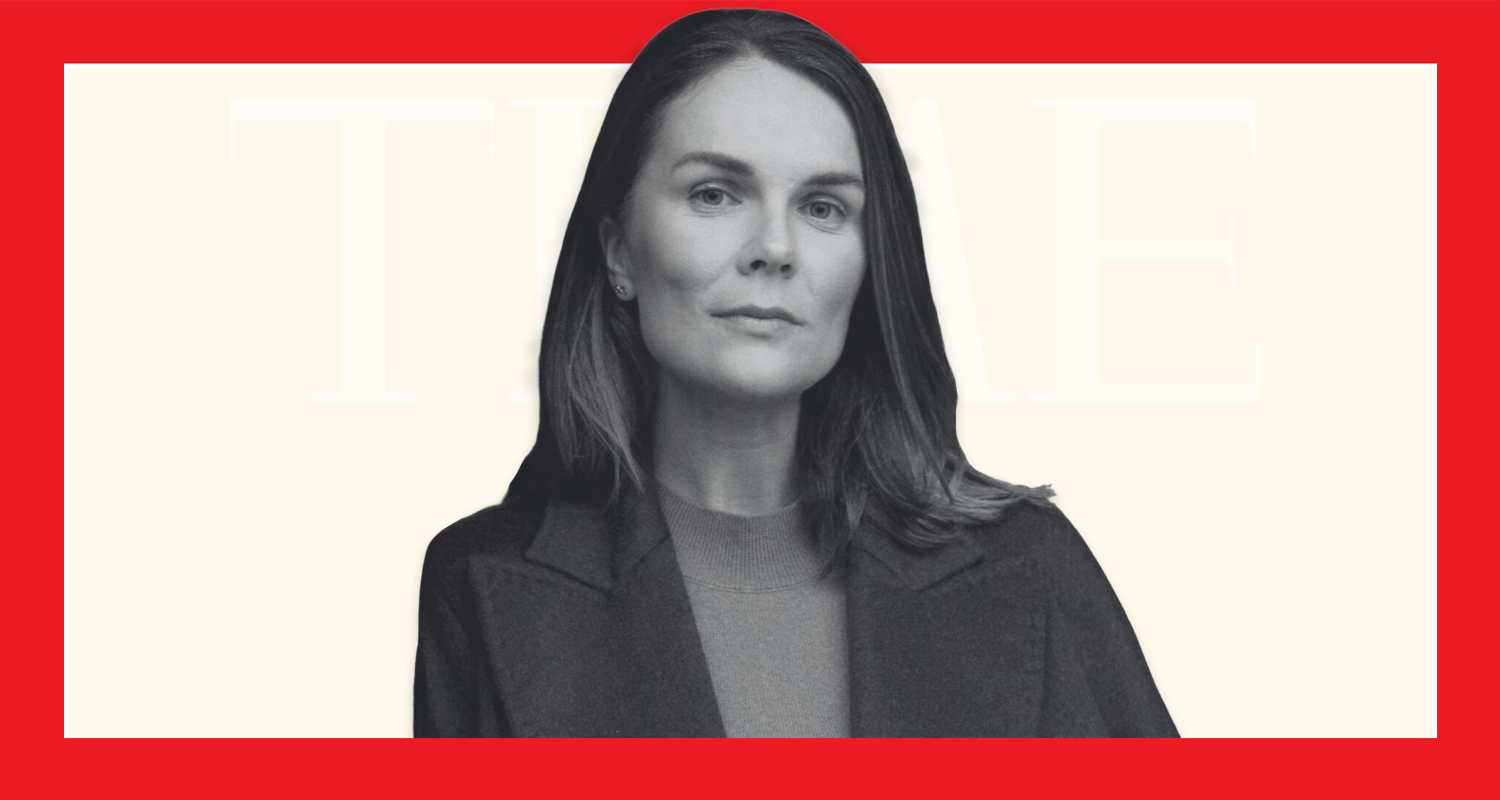
Burke’s celebrated novel, Yesteryear, has captured the attention of critics and readers alike, resonating deeply with contemporary discussions surrounding modern identity, historical nostalgia, and the complexities of human relationships. In her wide-ranging discussions surrounding the book, Burke has explored complex cultural themes such as the romanticization of traditional lifestyles, the modern performance of selfhood, and the psychological weight of looking backward to a perceived golden age. These themes have struck a chord with readers navigating an increasingly digital and fast-paced world, cementing Burke’s place as one of the most vital literary voices of the current decade.
The newly published TIME cover features a striking photographic portrait of Burke captured by acclaimed photographer Tonje Thilesen. The striking visual presentation complements the in-depth cover story published by the magazine, offering readers a comprehensive look at Burke’s creative process, her artistic inspirations, and the thematic underpinnings of her work. Alongside the official TIME coverage, literary platforms have also amplified the moment, including in-depth interviews that explore the deeper cultural implications of Yesteryear.
As readers and critics digest the complete 100 "must-read" books list for 2026, Burke’s dual achievement of making the selection while anchoring the magazine’s front page highlights the continuing resonance of literary fiction in the public sphere. For publishers, booksellers, and devoted readers, the moment offers an
encouraging reminder that the novel remains a powerful vehicle for cultural critique and storytelling, capable of commanding the highest echelons of mainstream media attention.