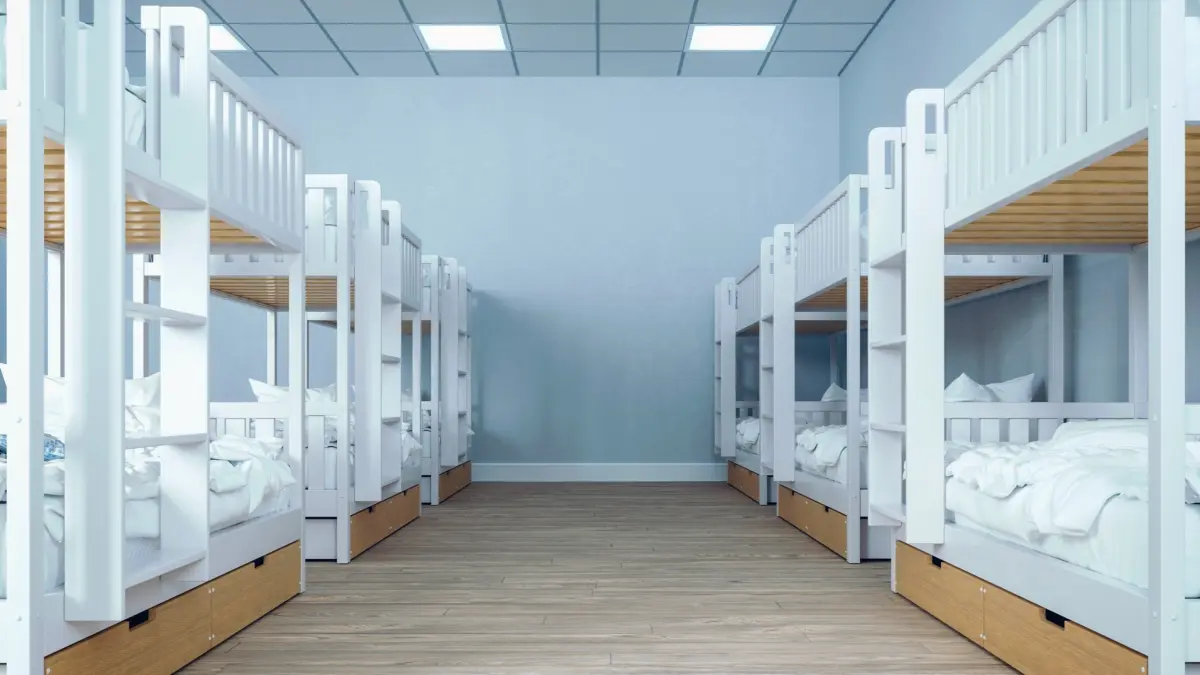
Imagine walking onto a bustling college campus as a 21-year-old student, strolling past historic fraternity and sorority houses that have anchored the neighborhood for decades. Depending on the university and its geographical location, you might take note of a unique architectural feature built into many of these older buildings: the traditional "sleeping porch" or "cold room."
Historically, these are communal sleeping spaces found within Greek life housing where students sleep side-by-side in rows of beds, embracing a shared, dormitory-style environment. In recent months, however, this age-old collegiate concept has transcended campus borders. Today, a growing segment of Gen Z home buyers has developed a fascinating obsession with these ultra-cool sleeping spaces, prompting real estate professionals to rethink how they market homes to younger demographics.
For property owners and sellers preparing to list their homes in the near future, understanding this shift requires a strategic approach. Whether a property features an enclosed porch, a dedicated sunroom, or a specialized, hyper-cooled bedroom, the overarching goal for modern sellers is to capture the attention of younger, wellness-oriented buyers who prioritize restorative rest above almost everything else.
According to industry experts, the appeal goes far beyond a quirky architectural novelty. "A dedicated quiet, cool bedroom can be a good selling feature. However, this trend is more about the importance of sleeping in a comfortable environment," explains Carter Murphy, owner and founder at Clario Properties in Waterloo, Ontario.
Does Gen Z Really Love This Trend?
To understand why a younger generation of home buyers is looking favorably upon cold rooms and sleeping porches, one must look at the intersection of technology, lifestyle, and wellness that defines Gen Z. Having grown up surrounded by smartwatches, continuous health tracking apps, and round-the-clock social media discussions about health optimization, Gen Z consumers place an unprecedented premium on sleep quality and metric-driven health tracking.
Statistical data underscores this cultural shift. A comprehensive survey conducted by ResMed found that approximately 60 percent of Gen Z respondents reported they were likely to use a wearable tech device specifically for the purpose of monitoring and improving their sleep health. For this demographic, sleep is not merely a passive biological necessity; it is an active, optimized pillar of overall well-being.
Many younger individuals are willing to experiment with drastic lifestyle adjustments to secure a consistently good night’s rest. According to Dr. Chelsie Rohrscheib, head sleep expert and neuroscientist at Wesper in Ann Arbor, Michigan, incorporating a cold room into a housing routine can provide genuine physiological benefits that help individuals reach their wellness goals.
"Sleeping in a cool environment can make your core temperature drop, resulting in a shorter time to fall asleep, along with deeper, more refreshing sleep, and a reduced likelihood of sleep fragmentation and poor sleep quality," Dr. Rohrscheib explains. By lowering the ambient temperature of the sleeping environment, the human body naturally transitions into deeper stages of restorative rest much faster.
Beyond the purely physiological advantages, the communal aspect of the traditional cold room trend also holds a distinct psychological appeal for many Gen Z buyers. Reframing a shared sleeping environment transforms a basic necessity into an intentional wellness choice. Furthermore, real estate professionals point out that Gen Zers genuinely enjoy the sense of community and shared experience that comes from sleeping in proximity to peers within the same room, noting that this unique dynamic fosters a special bond.
At the same time, the architectural simplicity of a dedicated cold room resonates deeply with younger buyers who are exhausted by multi-use spaces. In modern living, bedrooms frequently double as home offices, workout spaces, and digital entertainment hubs.
"There is also something appealing about a room with exactly one job. Most bedrooms now moonlight as offices and gyms. To Gen Z, a cold room only has one function: sleep," says Kam Oveisy, owner of Desire Basements in Toronto, Ontario.
However, not all housing experts view communal sleeping arrangements as a permanent fixture for long-term domestic life. Dell Jeanty, a real estate agent at Dell Properties in Arlington, Virginia, compares the cold room trend to camping in a dark, cold room while experiencing a strong sense of inclusion and camaraderie. Despite the immediate cultural appeal, Jeanty remains skeptical about the long-term sustainability of communal sleeping arrangements for couples or families unless everyone shares an identical daily routine.
"Different alarms going off at different times, people coming and going, someone snoring, or lights being turned on at different times could disrupt your partner’s sleep. Some people are light sleepers," Jeanty explains, highlighting the practical challenges that arise when transitioning a college housing trend into a permanent residential home layout.
How to Market a Home With a Cold Room
For home sellers looking to capitalize on this wellness-driven mindset, the physical manifestation of a cold room does not necessarily require an expansive fraternity sleeping porch. While some homes naturally feature enclosed porches or sunrooms that lend themselves perfectly to the concept, the core environment is relatively simple to replicate within a standard residential bedroom layout.
"Simply install blackout curtains, add a comfortable bed, and set the air conditioner to a tolerable cool temperature," Jeanty explains. By controlling light, sound, and temperature, any standard room can be transformed into an optimized sleep sanctuary.
Once a clearly defined cold room or sleep-optimized space has been established within a home, real estate experts emphasize that the key to successful marketing lies in promoting individualized comfort, precise climate control, and functional purity.
"Sell the function, not the hashtag," advises Oveisy. Sellers should focus on explaining how the designated space gives the prospective buyer the ability to craft their ideal sleeping environment without triggering excessive or inefficient energy costs throughout the rest of the household.
At the same time, industry veterans caution against leaning too heavily into fleeting internet fads. At the end of the day, Gen Z home buyers remain grounded in traditional real estate fundamentals, keeping a close eye on housing affordability, overall market conditions, and practical living arrangements rather than simply following social media trends.
"While a dedicated bedroom that is quiet and cool can be a good selling feature, this trend is more about the importance of sleeping in a comfortable environment," Murphy reiterates. As consumer priorities continue to shift toward health-conscious living spaces, properties that successfully highlight comfort, wellness, and dedicated functionality will undoubtedly find a receptive audience in the modern housing market.