Mortgage rates are expected to remain stubbornly elevated above the 7% threshold through the end of next year, according to a sobering economic forecast released by a top housing expert with the Mortgage Bankers Association. The projection paints a challenging picture for prospective homebuyers and the broader real estate market as central banks grapple with stubborn inflation, rising government budget deficits, and lingering geopolitical shocks.
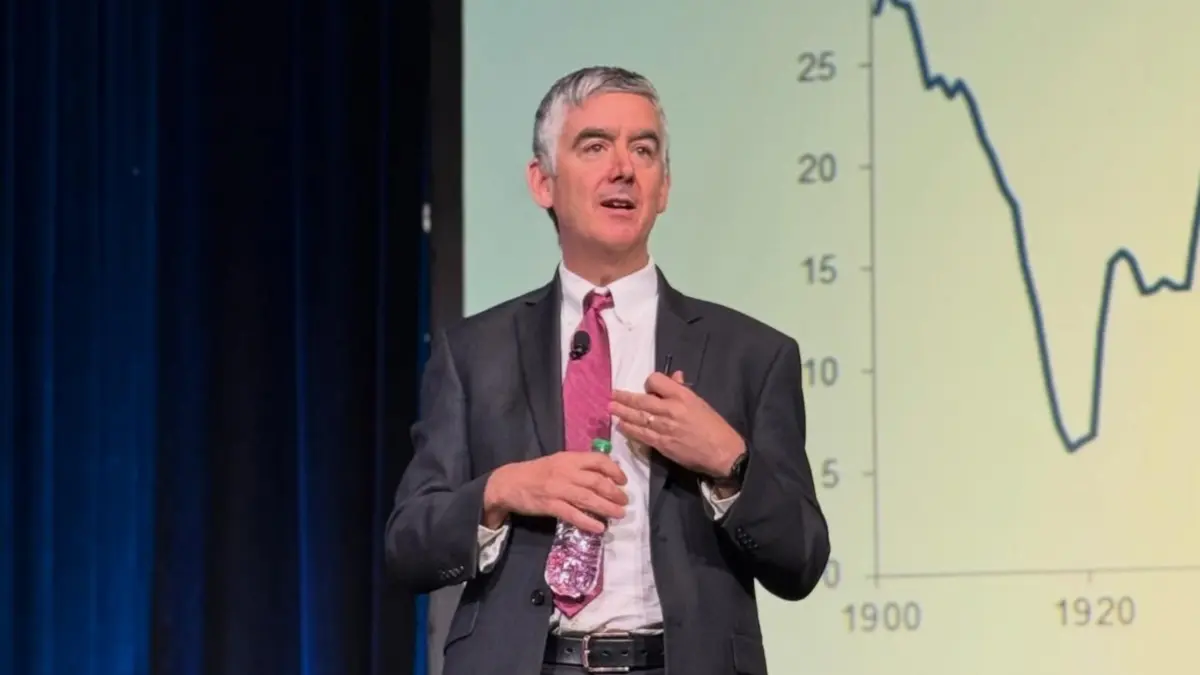
Speaking at the association’s annual conference in Chicago, MBA Chief Economist Mike Fratantoni outlined the macroeconomic forces keeping borrowing costs high. He pointed to inflation rates that remain uncomfortably high, prompting central banks to maintain or raise short-term interest rates. At the same time, unsustainably high budget deficits and government debt are putting upward pressure on longer-term rates as bond investors demand higher yields to compensate for risk.
Fratantoni expects that the benchmark 30-year fixed-rate mortgage will average 7.3% in the fourth quarter of 2026 and linger above the 7% mark throughout 2027. This prolonged plateau is being driven by elevated Treasury yields and restrictive monetary policies aimed at cooling the broader economy.
These projections follow a sharp upward trajectory in borrowing costs. Mortgage rates recently averaged 7.40%, marking a three-year high according to data from Freddie Mac. Rates have climbed steeply since late February, propelled by a global oil shock stemming from President Donald Trump’s conflict with Iran. The resulting economic ripples forced the Federal Reserve to pivot and take aggressive action against resurgent inflation.
Last month, the Federal Reserve hiked its benchmark interest rate for the first time in three years. Fratantoni anticipates that the central bank is not done tightening policy, forecasting two additional quarter-point rate hikes—one in December of this year and another in the first quarter of 2027. Such moves would push the federal funds rate to a range of 4.25% to 4.5%, matching levels not observed since August 2025.
Fratantoni emphasized that inflation remains well above the Fed’s targeted 2% threshold. While the broader job market is not operating from a position of absolute strength, he expects the Federal Open Market Committee to remain intently focused on driving inflation down to its target level. The central bank operates under a dual mandate to ensure price stability and maximum employment, utilizing higher interest rates to combat inflation and lower rates to stimulate employment when necessary.
In recent months, the Fed’s policy path has also been heavily influenced by warning signs flashing in the bond market. The key 10-year Treasury yield touched 5.36% in intraday trading recently, reaching its highest point since 2002. Because the vast majority of 30-year mortgages are either refinanced or paid off through a home sale within approximately a decade, the 10-year Treasury yield serves as the primary benchmark for mortgage lenders determining consumer rates.
Looking ahead, Fratantoni forecasts that the 10-year Treasury yield will average 5.1% in the fourth quarter of 2026 and remain hovering close to 5% throughout 2027. He noted, however, that several notable uncertainties surround this baseline forecast, including the persistent threat of geopolitical tensions or financial market shocks that could further undermine consumer confidence.
Recession risks also remain elevated, with Fratantoni pegging the probability of an economic downturn over the next 12 months at roughly 35%. He cautioned that genuine risks remain for a significant economic slowdown, noting that financial markets appear to be priced to perfection across numerous dimensions, while a substantial portion of ongoing consumer spending relies heavily on inflated stock market values.
MBA Projects Fewer Mortgage Applications in 2027
Reflecting the headwinds facing the housing sector, MBA economists project that total mortgage origination volume will drop by 5.6% to 5.0 million loans in 2027, down from the estimated 5.3 million loans expected for 2026. While purchase applications are anticipated to decline only slightly from 2026 levels, refinance applications are projected to take a much more severe hit.
MBA Deputy Chief Economist Joel Kan explained how market psychology shifts as borrowing costs climb. Once mortgage rates cross the 7% threshold, purchase activity experiences a more noticeable and significant drop-off.
Survey data compiled by the MBA reveals that prospective homebuyers are increasingly shifting their strategies to cope with high rates, frequently turning to adjustable-rate mortgages. While ARMs offer lower introductory rates that can provide immediate financial relief, they carry inherent risks for buyers because monthly payments can increase significantly over the life of the loan as market conditions fluctuate.
Buyers who remain active in the housing market are increasingly gravitating toward ARM loans or paying upfront discount points to lower their interest rates for the duration of the loan. The ARM share of total mortgage applications averaged nearly 10% over the past month, and the MBA forecasts that this segment will remain above 9% through 2027.
Kan noted that broader demographic shifts in the coming years, including slower natural population growth and lower immigration levels, could ultimately temper overall housing demand. This cooling trend may eventually relieve some of the structural pressure stemming from the nation’s longstanding housing shortage.
Furthermore, Kan suggested that national annual home-price growth hovering in the 2% range in recent years indicates that the nationwide housing supply gap may not be quite as severe as previously estimated, despite independent economic estimates from groups like Realtor.com placing the housing supply deficit at more than 4 million units.
Looking at the construction pipeline, the MBA expects declining levels of new residential construction for both single-family and multifamily properties throughout the forecast period. With fewer housing starts and relatively flat home sales anticipated, the group’s baseline forecast points toward a deceleration in national home price growth in 2027, followed by a gradual recovery and pickup in appreciation by 2028.
At the same time, Kan acknowledged a persistent national shortfall in truly affordable housing, expressing hope that recent legislative and market interest in manufactured housing could help bridge the gap. Earlier this year, Congress passed the 21st Century Road to Housing Act, which included specific provisions designed to bolster the manufactured housing sector.
The real estate industry has experienced a prolonged period of underbuilding when it comes to entry-level units and traditional starter homes. Kan believes the legislative framework provides a viable opportunity for manufactured housing to step in, replenish inventory, and meaningfully add to the existing stock of affordable housing options for everyday Americans.