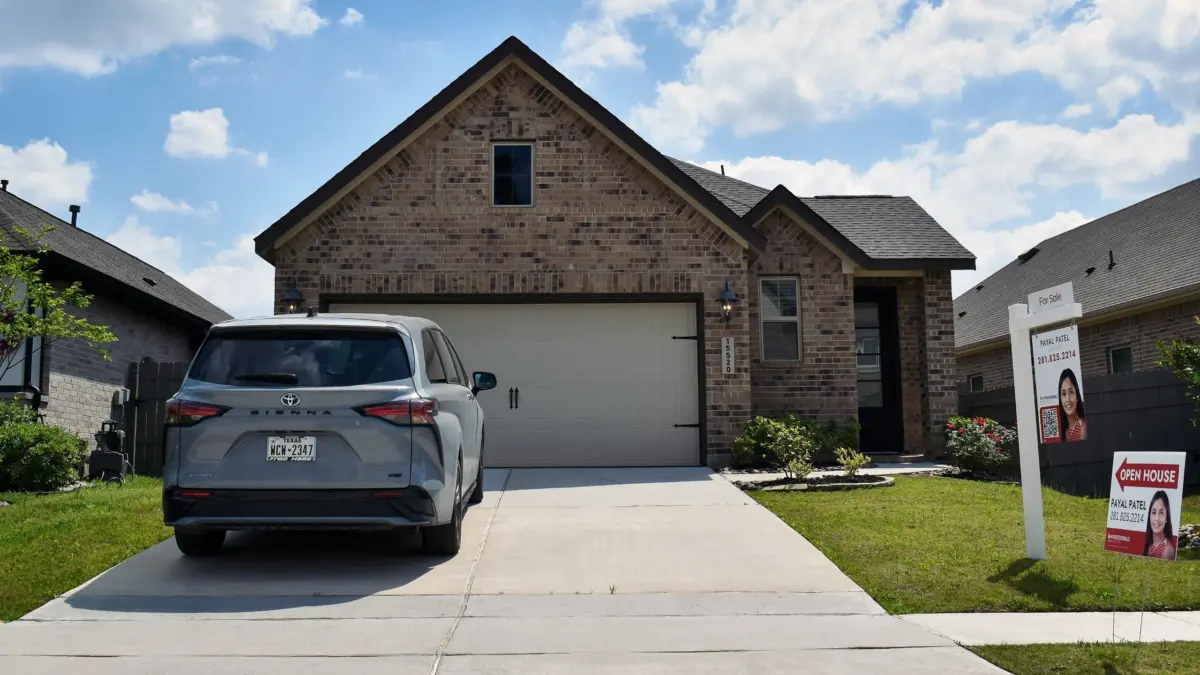
Although elevated home prices and persistent mortgage rates continue to create financial hurdles for prospective purchasers across the United States, individuals stepping into the Texas housing market are encountering a welcome shift: a significant drop in buyer competition. While borrowing costs remain a primary concern, the day-to-day experience of shopping for a home in the Lone Star State has fundamentally transformed compared to the frantic bidding wars of recent years.
According to a survey conducted by Texas Realtors, a professional trade organization representing more than 145,000 members statewide, 69% of respondents reported that their buyers did not have to compete against other offers this year. This finding forms a cornerstone of the newly released 2026 Texas Homebuying Experience Report, which offers a comprehensive look into the daily perceptions, challenges, and successes experienced by real estate professionals working directly with residential buyers across the region.
The latest survey data highlights a sharp downward trend in market friction. The proportion of real estate agents noting that their clients secured homes without facing rival offers climbed notably from 57% in the organization’s corresponding 2025 report.
This cooling trend is mirrored in the practical, day-to-day realities of local agents operating in major metropolitan areas. Levi Rodgers, a former Green Beret and current chief executive officer of LRG Realty in San Antonio, notes that the statewide survey statistic accurately mirrors his own firsthand observations in the field. Out of his agency’s three most recently penned offers in the San Antonio area, two stood as the sole offer on the property, and both ultimately closed with financial concessions from the seller covering a portion of the closing costs. Rodgers emphasizes how drastically these current circumstances contrast with the high-stress environment he navigated just a few years ago.
In 2021, Rodgers recalls, his military veteran clients regularly lost five or six competing offers before finally managing to get a contract accepted. Today, the landscape is entirely different, allowing buyers to utilize financing strategies that previously would have been dismissed outright by sellers. A zero-down Department of Veterans Affairs loan accompanied by seller concessions—terms that would have elicited laughter from a listing agent four years ago—is now regularly accepted on the very first try.
Beyond the absence of bidding wars, prospective buyers are also enjoying a much broader selection of available properties. The percentage of agents reporting that their buyers felt they had numerous homes to choose from increased from 25% in the 2025 report to 32% in the 2026 data. Furthermore, the report reveals that 37% of Texas real estate agents indicated their clients felt they had plenty of time when evaluating a property, a stark contrast to the mere 2% who reported feeling very pressed for time during their searches.
Maintaining a balanced market characterized by reduced competition and minimized pressure on purchasers requires a steady, reliable stream of housing inventory. According to Rodgers, Texas successfully achieved this crucial element by keeping its construction pipelines active throughout the broader economic shifts.
While other regional housing markets experienced steep price spikes and stagnation, San Antonio and its surrounding transit and suburban corridors continued producing new residential inventory right through the period of rising interest rates. Eventually, as pricing began to stabilize, the sudden influx of speculative investors and the pandemic-era relocation wave simultaneously began to recede. This dynamic left the market with an abundance of housing options paired with significantly diminished competition.
Yet, this sudden surge in inventory and buyer leverage represents a classic double-edged sword. Rodgers points out that while the current environment grants buyers unprecedented negotiating power—permitting them to request mortgage rate buy-downs, closing cost contributions, and financial credits for repairs uncovered during home inspections—the sheer volume of choices can occasionally backfire, inducing decision paralysis among shoppers who are unaccustomed to having options.
Navigating this abundance requires careful curation, according to Erwin Nicholas, a licensed broker and owner of Mr. Real Estate in Houston. Nicholas explains that his primary strategy for mitigating this challenge is to intentionally limit the number of properties he presents to his clients, filtering options strictly according to their practical needs and long-term financial health.
Nicholas notes that he does not cater to clients who express a desire to view every available property on the market. Instead, he curates a specific, manageable set of homes chosen based on professional experience and criteria designed to protect future resale value from the very beginning. Without that structured guidance and trust in the professional process, Nicholas warns, the sheer volume of choices can make the homebuying journey substantially more difficult for consumers.
Despite the broad array of choices, statistical data from the Texas Realtors survey indicates that the vast majority of buyers—specifically 44%—still walk through between four and 10 properties before ultimately committing to a purchase.
When potential buyers decide to pause or abandon their search altogether, the survey data points to three predominant explanations rather than a lack of available inventory. Changed life circumstances accounted for 39% of paused searches, a lack of desired home features represented 36%, and properties being deemed too expensive accounted for 34%. By contrast, a mere 6% of prospective buyers cited an inadequate supply of available homes as the reason for putting their search on hold.
Market analytics from the Realtor.com Market Hotness Index classify Texas as a cool buyer’s market, where housing supply comfortably outstrips overall buyer demand. Statewide, the median listing price hovers at $359,990, marking a modest 2.4% decrease compared to September of the previous year. Meanwhile, the median duration homes spend on the market stands at 64 days, placing it just slightly above the national average of 60 days and reinforcing the reality that today’s Texas buyers possess the luxury of time when making major financial decisions.