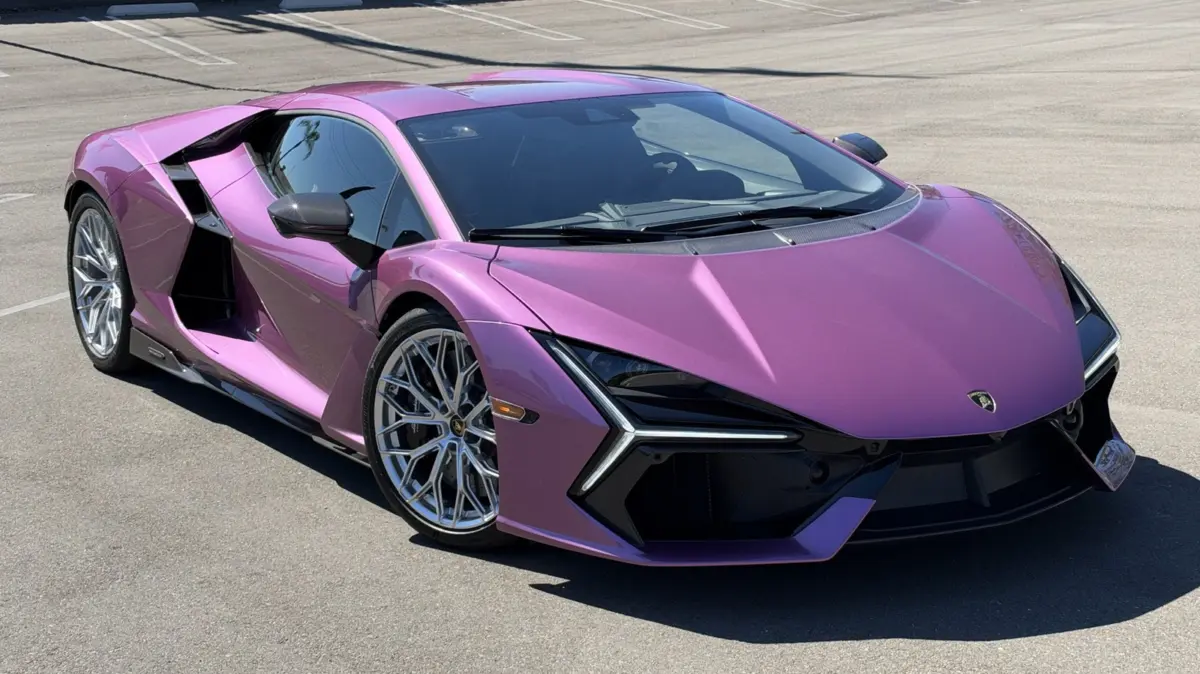
The financial reality of purchasing a new car in today’s market has been a persistent point of frustration for consumers and industry analysts alike. Navigating dealership lots or online configurators often brings the stark realization that automotive ownership—even for mainstream models—has drifted firmly into luxury territory. According to data released by Kelley Blue Book, the average transaction price for a new vehicle in September 2026 hovered at $50,562, sitting just $52 shy of the all-time record high established in December 2025.
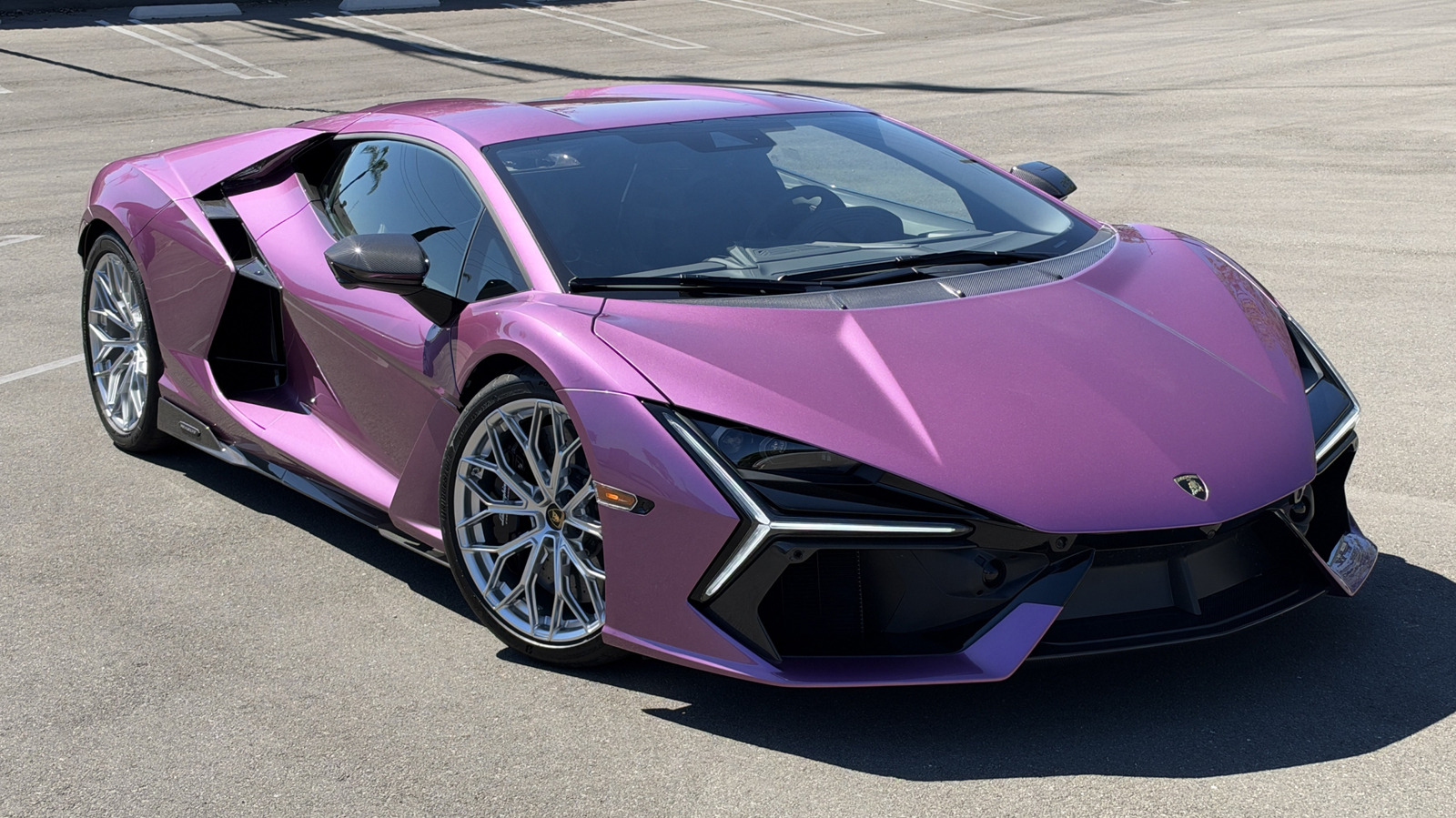
Even traditionally accessible segments have felt the financial squeeze. Mass-market mainstays like the Toyota RAV4 now command steep prices. The top-tier Limited trim for the hybrid and plug-in hybrid variants can reach $44,895 before factoring in destination charges, taxes, or any optional equipment. For everyday buyers, these figures represent a daunting barrier to entry. However, in the rarefied air of exotic supercars, a sum of roughly fifty thousand dollars takes on an entirely different meaning. Rather than funding a practical crossover or a daily-driver pickup, that exact amount can be allocated toward a selection of exposed carbon-fiber option packages on a flagship V12 hybrid from Sant’Agata Bolognese: the Lamborghini Revuelto.
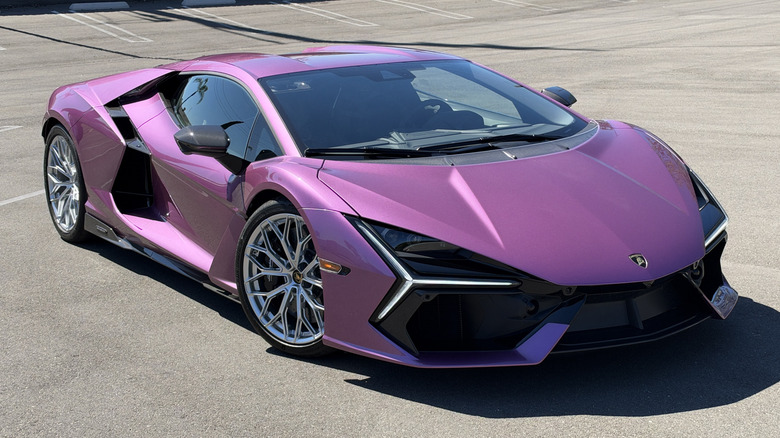
Lamborghini recently delivered a striking test vehicle finished in Viola 30th, a historic paint color made famous by the iconic Diablo SE30—itself immortalized by Jamiroquai’s "Cosmic Girl" music video. While the base price of the Revuelto sits at $664,799, the test specimen arrived heavily optioned, boasting a staggering $133,227 in extra equipment. Most notable among these add-ons are two distinct carbon-fiber exterior packages that together total $50,601, single-handedly eclipsing the average purchase price of an entirely new car in the United States.
$50,601 in Carbon Fiber
For buyers seeking the ultimate lightweight aesthetic, Lamborghini divides its visual carbon-fiber offerings into exterior zones, each available in either a matte or a shiny finish. On the test car, both selected packages featured the glossy lacquer, starting with the lower exterior carbon package priced at $24,623. Opting for this package replaces standard matte black plastic components with authentic carbon fiber. The transformation encompasses the front splitter, sculpted side skirts, the massive rear diffuser, and the aerodynamic fins integrated into the front bumper.
Complementing the lower suite is the upper exterior carbon package, which carries an even higher price tag of $25,978. This upgrade applies the lightweight material to critical touchpoints and high-visibility areas, including the lower windshield surround where the wipers are anchored, the side mirror housings, the exterior door handles, the side air intakes, and the louvered engine cover. Beyond these two primary bundles, the Revuelto’s configuration menu offers further carbon-fiber enhancements, such as the roof panel, A-pillars, rear spoiler, rear decklid, and door fins—though Lamborghini’s digital configurator omits pricing for these additional components.
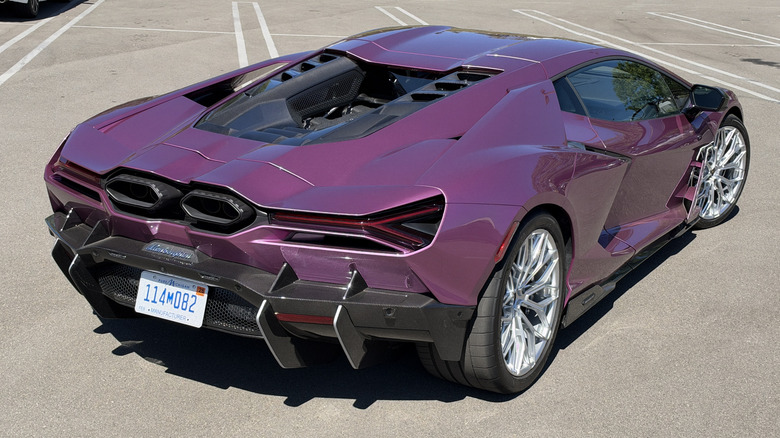
These composite add-ons represent only a fraction of the vehicle’s final as-tested price of $806,521, which also factors in a $3,995 destination charge and a $4,500 gas guzzler tax. The Viola 30th specialty paint commands a $14,331 premium, while contrasting silver stripes on the rear diffuser add $4,052. Inside the cabin, extensive leather trimming paired with Grigio Silver stitching accounts for an extra $6,092, and manually adjustable sport seats add $8,387. Finishing touches include Nero Lucido black brake calipers at $1,959, matte black exhaust tips at $1,355, and a dedicated passenger-side display screen priced at $4,052.
$82,626 in Other Options
The lengthy option sheet extends into features that might surprise buyers accustomed to standard equipment on mainstream luxury vehicles. The Revuelto tested featured a $3,596 Parking Pack incorporating parking sensors and a surround-view camera, alongside a $2,710 Surround Assistance Pack that bundles blind-spot monitoring, front intersection assist, side assist, and rear cross-traffic alert. Given the supercar’s wide proportions and notoriously challenging rear visibility, these assistance systems are virtually essential, yet they remain optional extras.
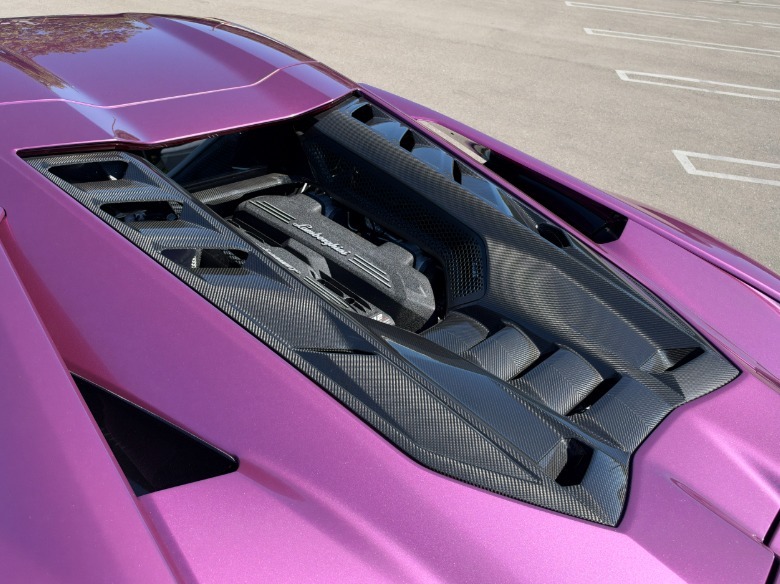
More perplexing to some observers is the absence of comprehensive active safety suites on an ultra-luxury flagship. The test vehicle lacked the Full High Assistant Pack, meaning an eight-hundred-thousand-dollar supercar rolled off the assembly line without adaptive cruise control or automated emergency braking.
Other comfort and convenience items also demand separate outlays. An integrated garage door opener costs $671, while RGB ambient lighting capable of cycling through 30 colors adds $403. Buyers seeking backlit matte carbon-fiber door kick plates must pay $2,710, and floor mats trimmed with leather borders cost $671. Smartphone integration services, enabling Apple CarPlay and Android Auto connectivity, carry a price tag of $3,717. On the audio front, the $6,628 Sonus faber high-end sound system delivers premium acoustics, while standard cupholders—though present—are tight fits for larger American beverage containers.