Welcome to another edition of the daily digest highlighting the most compelling stories, historical milestones, and discussions making waves across the literary internet. In the ever-expanding digital landscape of books, publishing, and cultural commentary, each day brings a fresh look at the intersections of contemporary writing and deep historical legacy. Today’s roundup takes a moment to look back at a significant historical anniversary that shaped the contours of nineteenth-century literature and transnational writing, reflecting on figures who pushed the boundaries of their time through narrative art.
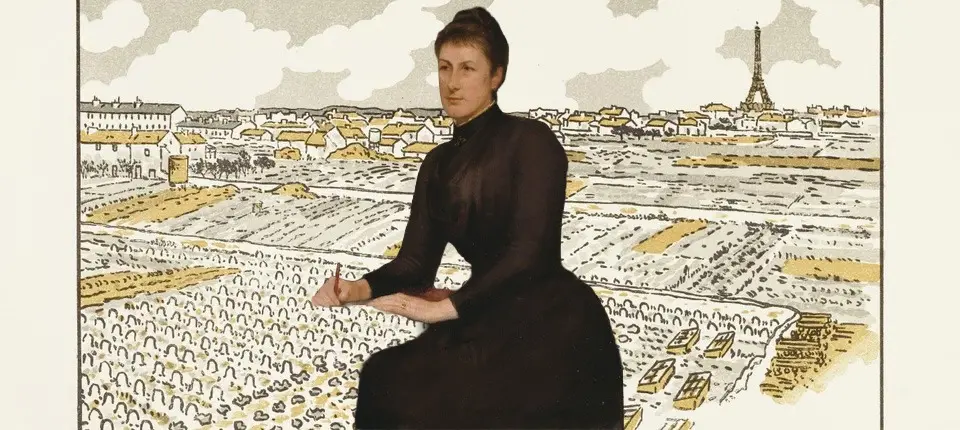
In the daily chronicle of literary history, today marks a poignant anniversary. Today in 1897, Jessie Catherine Couvreur—widely known by her pen name Tasma—passed away. Couvreur was a remarkable figure whose life and work spanned continents, bridging the literary cultures of Europe and Australia during a period of intense global and artistic transition. As readers, critics, and historians continue to explore the vast archives of nineteenth-century fiction, the multifaceted legacy of writers like Couvreur offers a fascinating lens through which to examine the evolution of the novel, the experiences of expatriate writers, and the shifting dynamics of readership and authorship at the close of the Victorian era.
The remembrance of literary figures from the nineteenth century serves as a vital anchor for contemporary discussions about how literature travels, survives, and is re-evaluated by modern audiences. Platforms dedicated to books and culture frequently revisit these historical milestones to contextualize the current literary ecosystem, reminding contemporary writers and readers alike of the deep roots underpinning today’s global literary conversations. Whether examining forgotten classics, debating the merits of modern prize lists, or tracking the digital preservation of rare texts, the literary internet remains a vibrant space for rediscovering the voices of the past and understanding their enduring resonance.