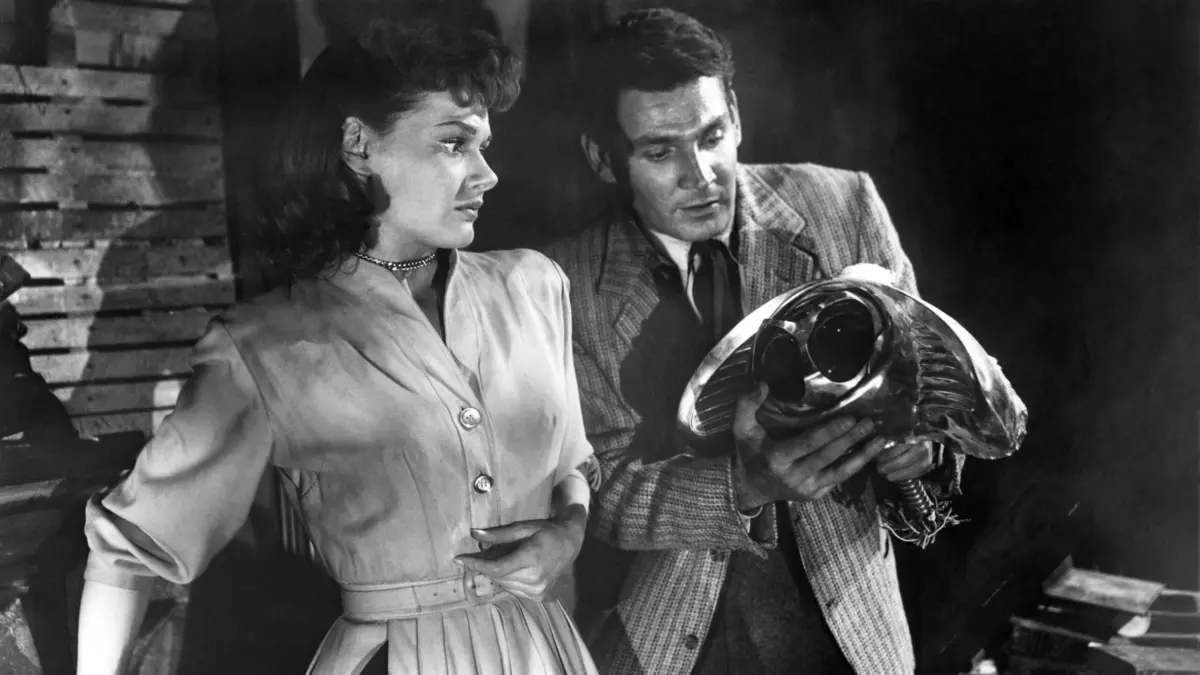
For science fiction fans seeking a cinematic palette cleanser after enduring recent misfires within the genre, salvation has arrived from an unexpected source. The foundational 1953 film adaptation of H.G. Wells’ The War of the Worlds is currently available to stream for free on YouTube, offering enthusiasts a chance to revisit a cornerstone of alien-invasion cinema.
The timing couldn’t be better for classic movie nights. Modern cinematic adaptations of Wells’ legendary 1898 novel have experienced a rough trajectory in recent years. At the time of writing, the newest cinematic take on The War of the Worlds—a "screenlife" thriller released in 2025—has widely been branded by audiences and critics alike as a frontrunner for the worst film of the 21st century.
While the 2025 iteration is occasionally cited as worth a single viewing purely to marvel at a relentless cascade of baffling creative choices—culminating in a bizarre final act that transforms into an advertisement for automated delivery services—it rarely hits the sweet spot of being entertainingly bad. Instead, it leaves viewers wondering how such a production was greenlit in the first place, creating a cinematic misstep that will likely keep major studios from touching Wells’ property for quite some time.
Consequently, the long and storied cinematic history of The War of the Worlds currently rests on a rather strange capstone. H.G. Wells’ original 1898 novel may not have technically been the very first alien-invasion narrative in the Western literary canon, but it is universally credited with cementing the concept firmly in the popular imagination. Over the 128 years since its publication, the source material has inspired countless adaptations. Creators ranging from Orson Welles to Steven Spielberg, as well as low-budget production houses like The Asylum, have taken their own unique swings at the material.
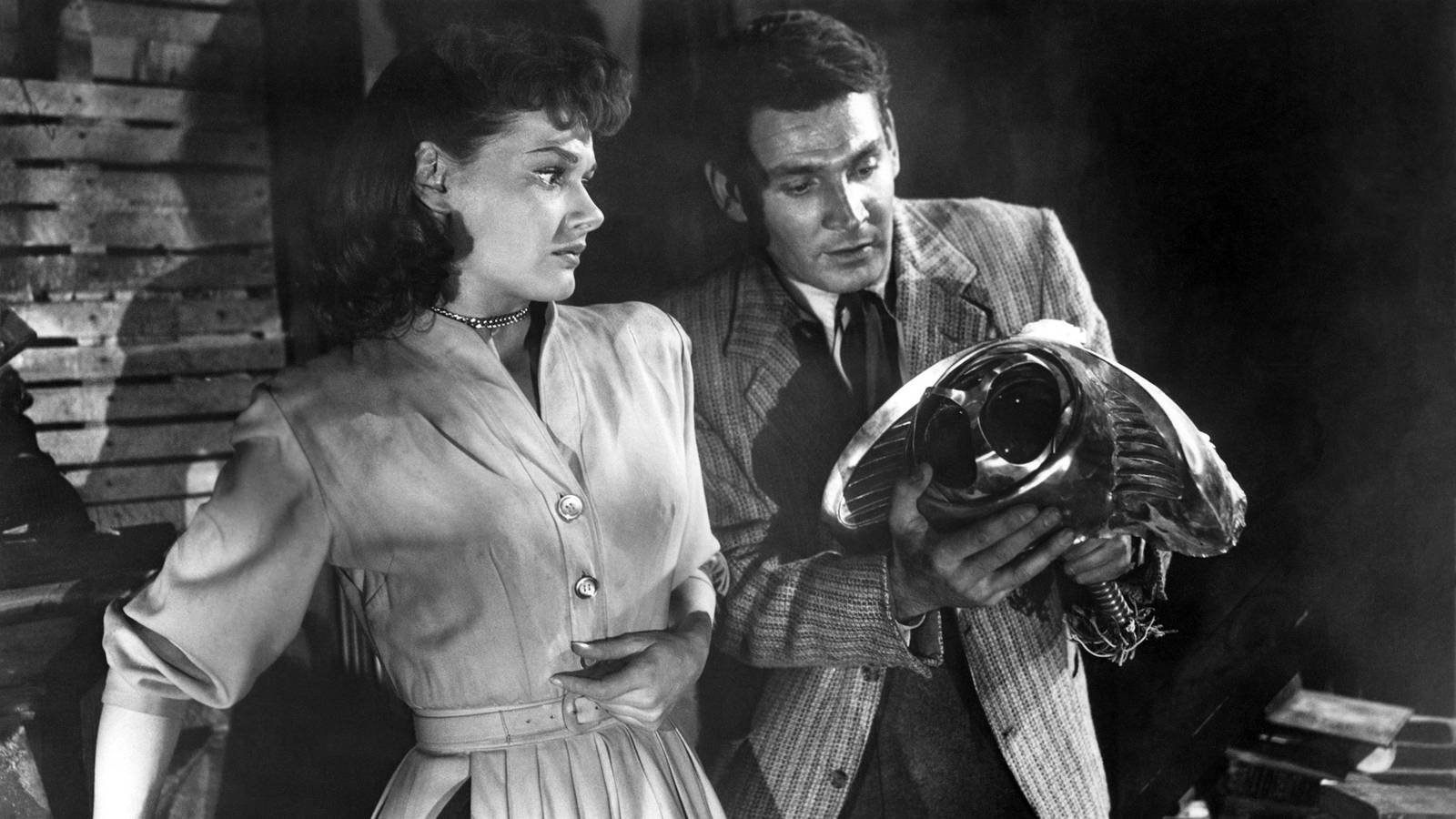
By far the most famous early interpretation remains Orson Welles’ infamous 1938 radio drama. That broadcast triggered widespread panic by realistically mimicking a live news bulletin, convincing a segment of the listening public that an actual extraterrestrial landing was underway. However, the cinematic lineage of the franchise truly began in earnest during the post-war atomic era.
A Shift in Medium and Momentum
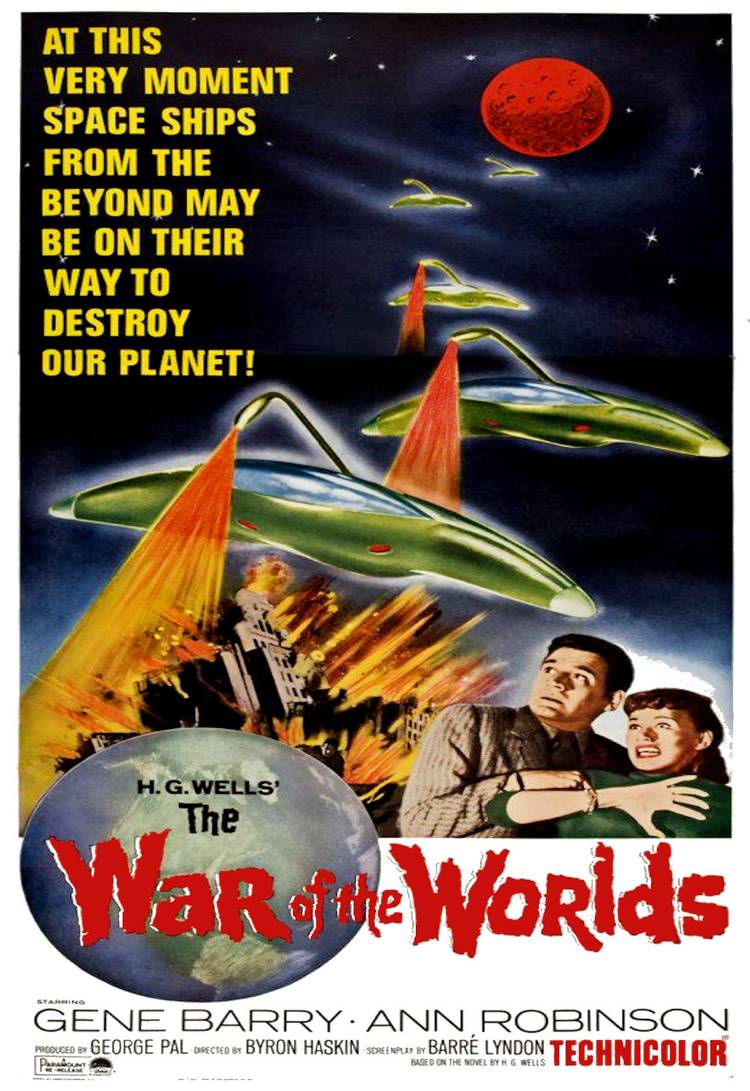
The first feature film adaptation of The War of the Worlds premiered in 1953. Directed by Byron Haskin, written by Barré Lyndon, and starring Gene Barry and Ann Robinson, the production famously shifted the narrative’s setting from late-Victorian England to 1950s Southern California. By accelerating the narrative pace, the filmmakers transformed Wells’ deliberate story about the near-collapse of human civilization into a taut, 85-minute war movie.
Now, more than seven decades later, that 1953 classic has found a temporary home on YouTube, where viewers can watch a colorized version of the landmark feature completely free of charge. For those looking to inject some authentic, mid-century sci-fi dread into their viewing rotations, it remains an essential watch.
Intellects Vast and Cool and Unsympathetic
Haskin’s film wastes little time setting its apocalyptic stakes. The story begins when a series of strange, fiery objects rain down across the globe. One of these mysterious meteors crashes near a small rural community in California, drawing the attention of local authorities and physicist Dr. Clayton Forrester, played by Gene Barry. Curiously, the Mystery Science Theater 3000 mad scientist character would later be named in direct homage to Barry’s pioneering film scientist.

Dr. Forrester quickly deduces that the fallen object must be hollow, yet it remains intensely hot from its fiery atmospheric reentry, preventing immediate inspection. As night falls, the meteor reveals its true nature: it is an armored Martian "cylinder" equipped with flexible, electronic optic stalks designed to survey the landscape.
When a trio of well-meaning local residents approaches the craft to make peaceful contact, the machine offers no hesitation or parley. It instantly incinerates them with a devastating heat ray, before turning its destructive focus toward the rest of humanity. There is no tragic miscommunication, nor is the invasion the fault of human hubris or error. The Martians have arrived with a single, uncompromising objective: to systematically cleanse life from the face of the Earth.
Following a catastrophic initial clash between the United States military and the emerging Martian war machines, Dr. Forrester flees alongside local resident Sylvia, portrayed by Ann Robinson. As the armed forces attempt to mount a defense against an enemy that initially appears completely invincible, the narrative tracks Forrester and Sylvia through escalating battles and the sweeping aftermath of destruction.
Meeting a Mid-Century Classic Halfway
Like many science fiction productions of the 1950s, contemporary viewers must be willing to meet The War of the Worlds halfway. The film’s practical visual effects were genuinely groundbreaking upon its theatrical release, earning the picture an Academy Award for Best Special Effects. However, those same effects now border on quaint, particularly when viewed through the lens of modern high-definition restorations and streaming formats. The movie was simply never engineered for pristine, crystal-clear high resolutions.
Yet, past the dated optical illusions, it is remarkably easy to understand why mid-century audiences found the film genuinely terrifying. The Martians’ heat rays do not merely kill; they cause human targets to flash and instantly vanish, leaving behind eerie, man-shaped piles of gray ash. It is a deceptively simple cinematic effect, yet it retains a chilling power, largely because the Martian machines deploy their weaponized light with the casual efficiency of a gardener weeding a lawn.
The first major military engagement between the United States armed forces and the invading cylinders is portrayed as a grim nightmare of men and heavy machinery being obliterated into nothingness. The military leadership acts decisively, listens to sound scientific reasoning, and executes tactical maneuvers flawlessly—yet they still stand no chance against the technological superiority of Mars.
Throughout the film, this sense of inevitable doom is punctuated by grim news broadcasts detailing how other global superpowers are losing their own cities and armies, unceremoniously wiped from the map. It quickly becomes clear that this is not a traditional war; it is a full-scale disaster film where the disaster itself is winning with cold, methodical precision.
There is a bleak, uncompromising power to the 1953 feature that must have resonated with profound intensity for audiences living under the shadow of the Cold War. Watching it today, that impact remains intact, evoking a potent sense of cosmic horror. While it is easy for modern viewers to poke fun at the vintage special effects, embracing the film on its own terms reveals precisely why it endures as a timeless science fiction and horror classic.