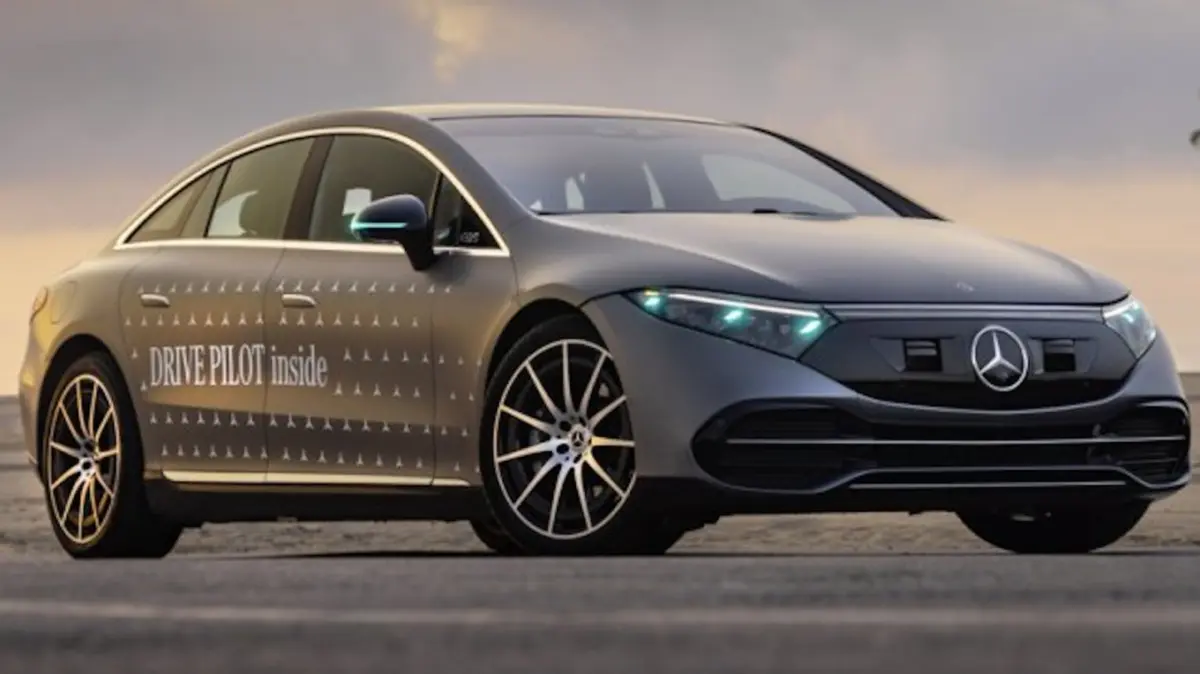
The United States National Highway Traffic Safety Administration (NHTSA) has announced a significant set of proposed changes to Federal Motor Vehicle Safety Standard No. 108, which governs vehicle lighting regulations nationwide. The latest regulatory updates, officially introduced on October 23, include the establishment of formal equipment specifications for modern motor vehicles equipped with automated driving systems. Most notably, the proposals outline the use of distinctive cyan lights to signal when an autonomous driving system is actively engaged. Furthermore, the sweeping overhaul proposes the removal of long-standing requirements for fully autonomous vehicles lacking traditional driver controls to feature manually operated turn signals, hazard lights, and headlight beam switching controls or associated dashboard indicators.
This latest regulatory movement builds upon a prior announcement made earlier in the month, in which the NHTSA pledged to comprehensively modernize U.S. headlight standards. That previous initiative focused heavily on mitigating hazardous headlight glare for other road users, boosting overall lighting performance, updating testing methodologies and materials, and integrating modern lighting technologies—such as advanced LEDs, ambient dusk sensors, automatic high-beam systems, and replaceable light sources—into the federal framework.
As the automotive landscape shifts toward high levels of automation, regulatory bodies are forced to untangle decades-old rules designed exclusively around human operators holding a steering wheel. The Tesla Cybercab currently stands out as a prominent example on American roads, lacking traditional physical driving controls like a steering wheel or foot pedals entirely. Because of this radical absence of manual controls, the vehicle has already drawn close scrutiny and become the subject of an ongoing federal safety probe. Observers have noted that these newly proposed adjustments to Standard No. 108 arrive at a time of intense intersection between federal policymaking and high-profile automotive players, even as discussions continue surrounding political donations and industry influence during the current election cycle.
Cyan Lights Take Center Stage, but Proposed Regulatory Changes Go Much Further
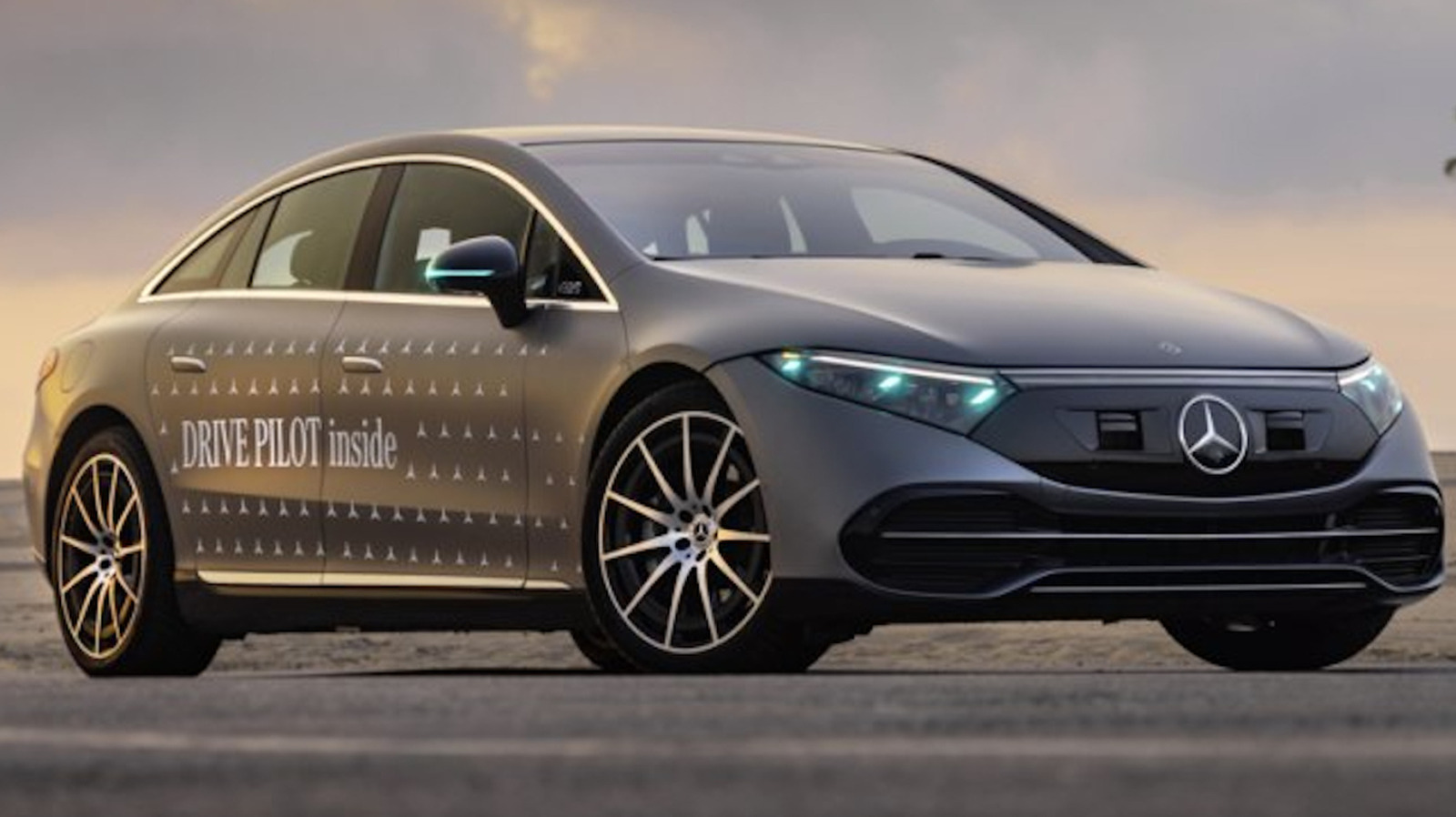
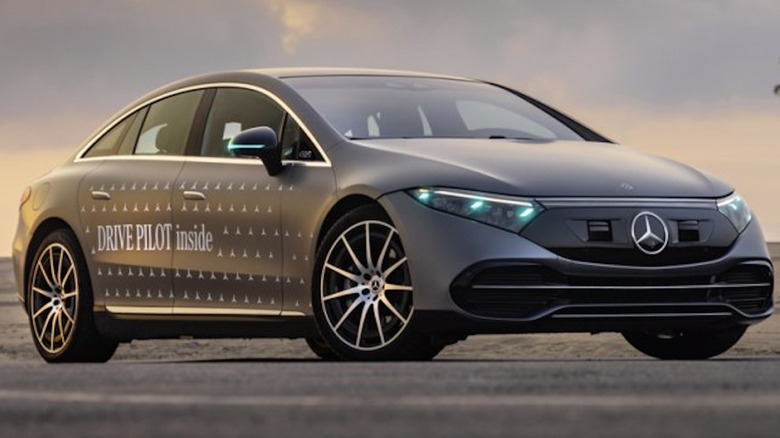
The introduction of cyan marker lamps represents the most visually striking policy shift in the agency’s announcement, but the underlying text of the proposal reaches far deeper into vehicle engineering requirements. In late 2023, Mercedes-Benz made headlines when it secured regulatory approval to deploy turquoise exterior lighting on vehicles equipped with Drive Pilot, its proprietary Level 3 autonomous driving technology. That initiative was designed to provide clear, unambiguous visual cues to surrounding motorists, pedestrians, and law enforcement personnel, indicating that the human driver is legally permitted to look away from the road and engage in secondary activities while the automated system maintains operational control.
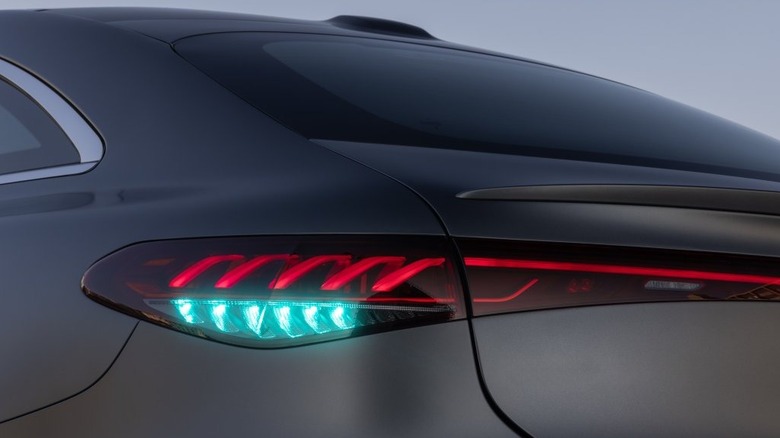
Under the new NHTSA proposal, automakers will not be universally mandated to install these cyan indicator lights on every self-driving vehicle. Instead, the agency is establishing what it formally defines as an "if equipped" standard. This regulatory mechanism regulates the precise color parameters, physical mounting locations, and visibility requirements for companies that voluntarily choose to incorporate the technology. Specifically, the draft rules state that if a vehicle is equipped with Automated Driving Systems marker lamps, at least one such light must remain clearly visible from the front, each side, and the rear of the vehicle. These lamps would be restricted to a proposed minimum mounting height of 15 inches from the ground and prohibited from shining brighter than standard parking lights to prevent glare or confusion among other drivers.
Beyond autonomous indicator lamps, the comprehensive proposal addresses several foundational aspects of automotive lighting design. It seeks to remove existing headlight testing requirements that currently mandate all vehicle headlights to meet stringent performance parameters when tested exclusively at 12.8 volts, acknowledging that modern electrical architectures operate differently. Additionally, the proposal aims to eliminate a longstanding regulation that forces the uppermost light in a vertically oriented headlight assembly to operate as the standard low beam. The NHTSA has tentatively concluded through engineering analysis that adequate illumination for safe nighttime driving can be achieved without strictly dictating that low-beam elements must be positioned above high beams.
Additional Regulatory Adjustments Target Driverless Vehicles Without Manual Controls
The broader framework of the proposal incorporates what the NHTSA describes as a deliberate administrative process to remove unnecessary barriers to technological innovation while ensuring that overall motor vehicle safety standards are never compromised. Agency officials have identified that the primary regulatory hurdles facing developers of autonomous vehicles include rigid mandates that every vehicle feature a physical turn signal operating unit and a dedicated headlamp beam switching device. By modifying these requirements, the agency aims to clear a path for vehicles engineered entirely without human intervention in mind.
To maintain clarity, the proposed modifications explicitly specify that these relaxations will apply exclusively to motor vehicles that are entirely unequipped with manually operated driving controls. Consequently, traditional passenger cars, trucks, and SUVs equipped with a conventional steering wheel and foot pedals will remain subject to the existing suite of regulations without any changes to their operational requirements.
The proposal also addresses the evolving definition and necessity of vehicle telltales—the illuminated dashboard icons and acoustic chimes that alert drivers when turn signals, hazard lights, or low- and high-beam headlights are activated. The NHTSA now intends to specify that these dashboard indicators are strictly required only for vehicles that feature an active human driver. The agency defines a driver for these regulatory purposes as an occupant seated immediately behind the steering control system. Under this precise legal definition, an advanced autonomous vehicle lacking a steering wheel cannot possess a driver, meaning the installation of traditional driver-facing telltales becomes redundant and is no longer required.
As autonomous vehicle technology rapidly transitions from experimental testing fleets to commercial reality, industry experts anticipate that a wide array of existing federal motor vehicle safety standards will require systematic re-evaluation and amendment. The regulatory agency has indicated that it will continue to monitor technological advancements and provide updates as further policy adjustments are developed. In the meantime, the NHTSA has opened a public comment period, inviting industry stakeholders, safety advocates, and everyday citizens to review the proposed changes and submit their feedback through the channels outlined in the Federal Register.