Welcome to Tuesday, October 27, 2026. This is The Morning Shift, your daily comprehensive briefing bringing together the most critical automotive headlines from around the world. In today’s edition, we examine the mounting fallout from Audi’s high-profile political alignment in the United States, the widening gap between the U.S. car market and international EV adoption trends, the growing distress at electric motorcycle maker Livewire, and Porsche’s latest financial maneuvers as it banks on a strategy of downsizing for profitability.
1st Gear: Audi’s Alliance with Trump Sparks Backlash Among European Labor Groups
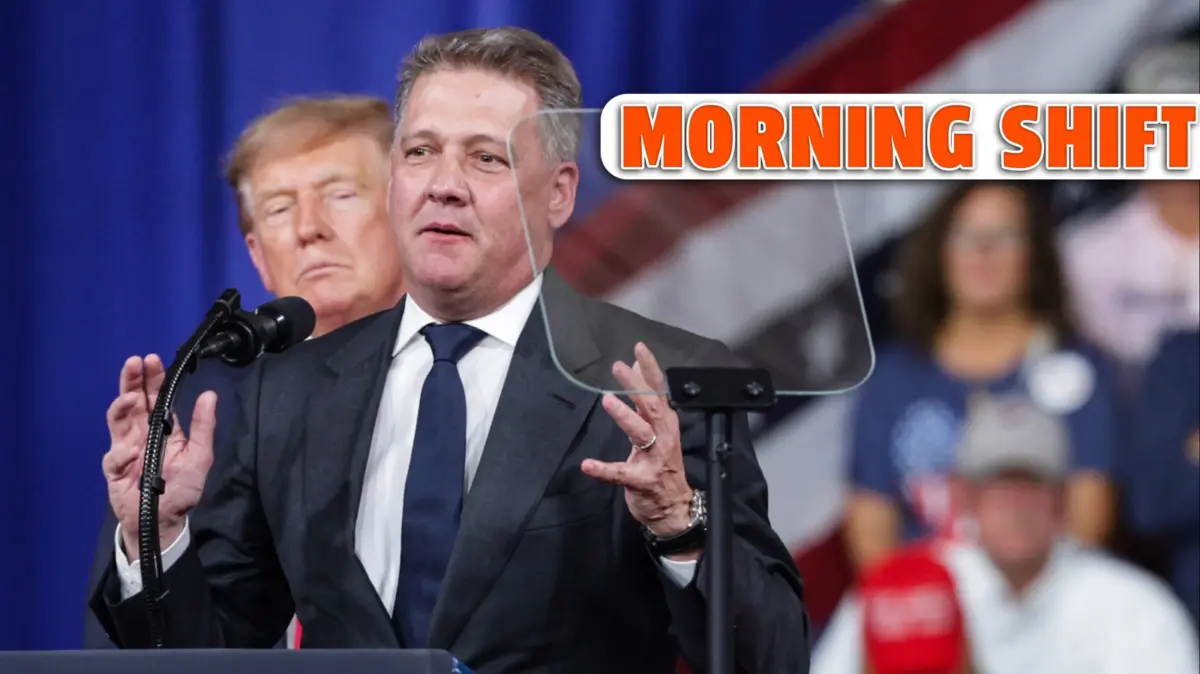
When Audi CEO Gernot Döllner recently took the stage alongside U.S. President Donald Trump at a campaign rally in Georgia to announce the construction of a major new manufacturing facility, it immediately raised eyebrows across the global automotive sector. Observers questioned the wisdom of hitching a luxury brand’s corporate wagon to a polarizing political figure during a contentious domestic political cycle. However, an even more critical vulnerability quickly emerged across the Atlantic: how Audi’s German workforce would react to the spectacle.
As it turns out, the workforce is far from supportive, and because of Germany’s corporate governance structures, they hold enough leverage within the Volkswagen Group to turn this public relations stunt into a major headache for executive leadership. According to reporting from Automotive News, Döllner’s on-stage appearance has drawn fierce domestic criticism, providing powerful new ammunition to labor unions as they navigate ongoing restructuring negotiations with the wider Volkswagen Group.
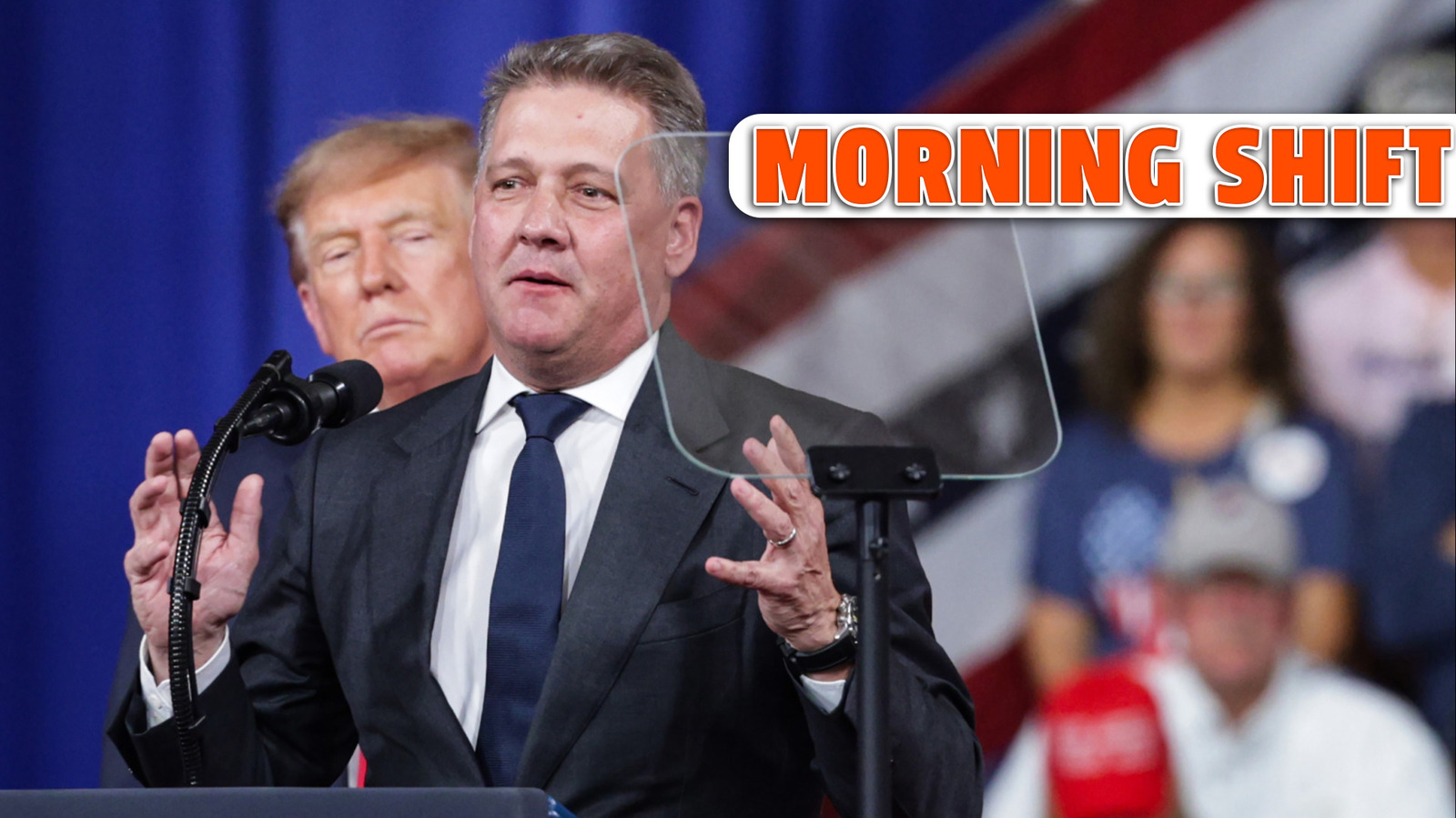
Leading German media outlets, including the Frankfurter Allgemeine Zeitung (FAZ)—one of the country’s most respected newspapers—harshly characterized Döllner’s appearance next to the U.S. President as "Bending the Knee in Georgia." Other prominent commentators went further, labeling the Audi chief—who is widely recognized as a key ally of VW Group CEO Oliver Blume—as a national embarrassment.
The political friction arrives at a particularly sensitive time. Even as Volkswagen seeks to shutter manufacturing plants and implement painful layoffs domestically in Germany, leadership has suddenly surfaced capital to fund an entirely new production facility in the United States. Doing so to appease an American political figure who enjoys limited popularity back home has alienated key stakeholders. Crucially, any major corporate investment of this scale must be formally approved by the Volkswagen Group’s supervisory board. Under Germany’s robust co-determination laws, exactly half of the board’s seats are occupied by labor representatives, while the home state of Lower Saxony holds an additional two seats. This governance model means that alienating the workforce is not just a cultural misstep, but a direct obstacle to corporate strategy.
2nd Gear: The Global Car Market Continues to Diverge From the U.S.
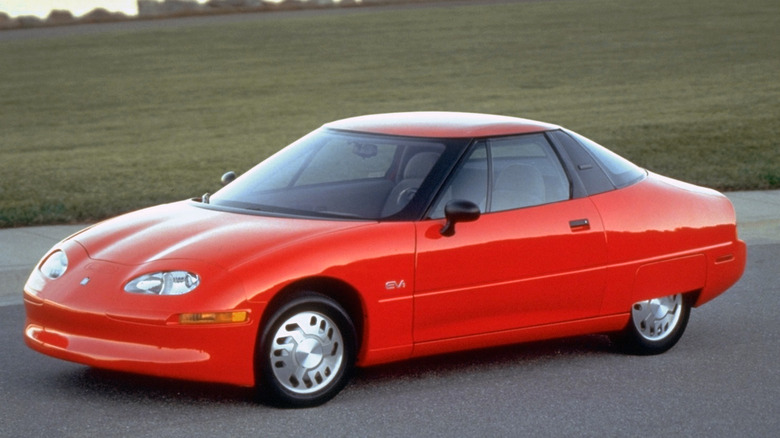
Decades ago, General Motors made a bold technological statement with the EV1, a vehicle that signaled America’s early interest in exploring automotive electrification back in the 1990s. Yet, in the thirty years since that pioneering car was introduced, both General Motors and the broader American market have largely resisted widespread electrification. This hesitance is increasingly isolating both domestic automakers and the country’s broader automotive market on the international stage.
While the global market for electric vehicles continues to expand aggressively, the United States remains a glaring exception. Across the globe, governments are pursuing widely varying regulatory frameworks and consumer incentive strategies, while consumer preferences for vehicle types continue to evolve. China, for instance, has successfully manufactured massive domestic demand through aggressive industrial policy and targeted subsidies. Meanwhile, Europe has relied on a more measured approach centered on strict regulatory compliance and gradual boosts. In various emerging markets, the embrace of electric vehicles is driven in part by limited and volatile access to fossil fuels. Amid these international shifts, the United States stands apart.
Industry analysts are increasingly questioning the long-term viability of this insular approach. Experts point out that the U.S. risks isolating itself from the broader scale economy of worldwide manufacturing. The core question facing domestic automotive policy is whether the nation is intentionally sliding toward becoming a small, highly lucrative market reserved for specialized vehicles, or if it will retain the capability to compete in the mass-scale automotive business globally.
Compounding this divergence is the economic reality facing domestic consumers. As affordability challenges mount and average car buyers find themselves increasingly priced out of new vehicle purchases, automakers have less incentive to deploy their most advanced global products to American shores.
3rd Gear: Livewire Faces Leadership Shakeup Amid Deepening Financial Struggles
Livewire has long produced visually striking and performance-capable electric motorcycles, but those attributes have not translated into mainstream commercial success. Despite their engineering pedigree, Livewire products simply do not move off dealership floors with the volume or consistency of traditional internal combustion models like the Harley-Davidson Sportster. Facing persistent market headwinds, pricing challenges, and questions regarding product-market fit, Livewire has now lost its Chief Executive Officer, prompting the appointment of a Chief Restructuring Officer.
The struggles culminated when Livewire announced that a special restructuring committee is actively evaluating the company’s long-term strategic options following the resignation of Chief Executive Karim Donnez. To guide this transition, the committee appointed Roy Gallagher, a senior managing director at Ankura Consulting Group, to step in as the chief restructuring officer.
While the corporate moves are officially intended to facilitate a comprehensive evaluation of strategic alternatives, market reaction reflects deep underlying anxieties. Livewire shares experienced minor fluctuations, but the stock remains heavily depressed compared to its performance earlier in the year. Industry analysts suggest that the situation represents a fundamental reckoning with economic realities. Although the concept of electric motorcycles is compelling, the market may simply not be ready for mass adoption at current price points.
4th Gear: Porsche’s Downsizing Strategy Shows Early Signs of Profitability Recovery
While some segments of the broader automotive landscape face severe turbulence, Porsche’s deliberate strategy to pull back and shrink its operational footprint appears to be bearing fruit. The core philosophy guiding the sports car maker’s trajectory has been straightforward: sell fewer overall units while maximizing profit margins on every single vehicle delivered. This calculated maneuver was designed specifically to insulate the brand against broader economic instability.
Recent financial reports indicate that this turnaround is taking hold. Porsche reported a notable recovery in profit during the first nine months of the year, providing an early indication that the turnaround plan championed by CEO Michael Leiters is successfully yielding results. Leiters assumed leadership at the beginning of the year following an appointment by Porsche’s supervisory board, which was convened to alter the brand’s trajectory after a previous electrification strategy failed to achieve projected commercial traction. That earlier misstep resulted in substantial restructuring costs totaling billions of euros.
By retreating from overextended markets like China and intentionally recalibrating production volume, Porsche is steering toward an ultra-luxury business model reminiscent of boutique high-end manufacturers. As the brand increasingly shifts its primary focus toward six- and seven-figure bespoke vehicles rather than pushing high volumes of entry-level models like the base Macan, the availability of accessible pre-owned performance cars may soon become a thing of the past.