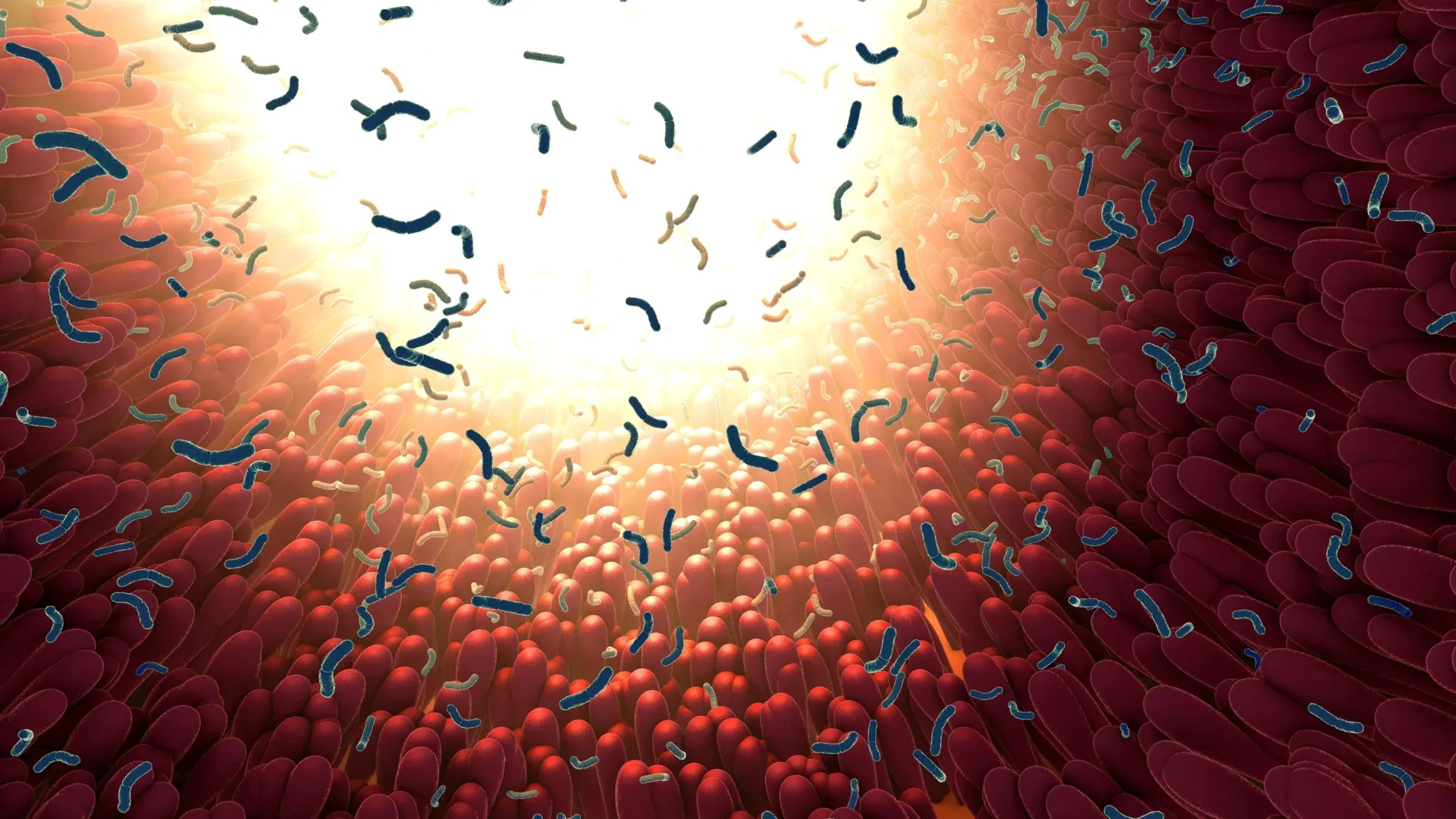
In a significant step forward for the field of longevity science, researchers at the University of Hawai‘i at Mānoa have uncovered a compelling connection between the complex ecosystem of bacteria residing in the human gut and the physiological speed at which the body ages. The study, recently published in the journal Scientific Reports, suggests that the gut microbiome—the vast and diverse community of microorganisms inhabiting the digestive tract—may serve as a critical, yet previously underappreciated, indicator of an individual’s biological age.
For decades, scientists have distinguished between chronological age—the number of years a person has been alive—and biological age, which reflects the wear and tear on the body’s systems at a molecular level. While a person might be 50 years old chronologically, their internal systems could be functioning as if they were 40 or 60, depending on a variety of health factors. This new research suggests that the gut microbiome may be one of the key determinants of this variance, with certain microbial patterns acting as potential biomarkers for how rapidly an individual is aging.
Scientists Identify Gut Bacteria Linked to Faster and Slower Aging
To arrive at these findings, the research team, led by scientists at the University of Hawai‘i at Mānoa’s John A. Burns School of Medicine, conducted a comprehensive analysis involving 123 adults. The participants represented a wide spectrum of ages, providing a diverse dataset for evaluating the relationship between internal microbial populations and external indicators of aging. The researchers collected both stool and blood samples from each participant, allowing them to map the gut microbiome composition and correlate it with established blood-based molecular markers of aging.
By comparing these two distinct sets of data, the researchers discovered that differences in gut bacterial communities accounted for approximately 15% of the total variation in the biological aging rates of the study participants. This is a substantial finding, suggesting that while genetics and lifestyle are well-known contributors to longevity, the microbial inhabitants of our digestive system occupy a vital, independent role in the aging process.
The study specifically utilized the DunedinPACE biomarker, an advanced, blood-based measurement tool designed to track the "pace" of biological aging. By aligning gut microbial data with DunedinPACE scores, the researchers were able to pinpoint specific bacterial species that appear to either buffer or accelerate the aging process.
Among the findings, the researchers identified Bifidobacterium adolescentis as a key microbe associated with slower biological aging. Conversely, Succinivibrio dextrinosolvens showed one of the strongest statistical associations with a faster rate of biological aging. While these findings do not imply that these bacteria are the sole drivers of longevity, they represent a significant "microbial signature" that researchers believe provides a window into the internal mechanisms of aging that exist beyond the simple passage of time.
"This study advances our understanding of the relationship between the gut microbiome and biological aging," said senior author Alika K. Maunakea. "We found that microbial patterns in the gut were significantly associated with molecular measures of aging, even independent of chronological age. These findings open important new directions for understanding how modifiable biological systems influence long-term health trajectories and longevity."
How Diet, Lifestyle, and Environment May Influence Gut Health
The implications of this research extend far beyond the laboratory, touching upon the growing field of precision health. Precision health aims to move away from "one-size-fits-all" medical advice, instead tailoring health strategies to the unique biological profile of the individual. Because the composition of the gut microbiome is not static—it is highly sensitive to external inputs like diet, physical activity, and environmental stressors—it represents a dynamic, "modifiable" system.
Lead author Braden P. Kunihiro emphasizes that the responsiveness of the microbiome to everyday life is exactly what makes it such a promising target for future wellness research. "The gut microbiome is highly responsive to lifestyle, diet, environment and other everyday exposures," Kunihiro noted. "Our findings suggest that the microbiome may reflect important aspects of biological resilience and aging in ways that could eventually help inform future wellness and healthy aging strategies."
Unlike our chronological age, which is fixed and immutable, the composition of our gut bacteria can be influenced over time. If scientists can determine that specific dietary interventions or lifestyle changes can shift the gut microbiome toward a profile associated with slower biological aging, it could lead to new, non-invasive strategies for promoting long-term health.
Furthermore, the study is notable for its inclusive approach to participant selection. By including Native Hawaiian and Pacific Islander participants—populations that have historically been underrepresented in scientific studies regarding aging and the microbiome—the researchers were able to capture a more diverse picture of human health.
Co-author Ruben Juarez highlighted the importance of this inclusivity, noting that the study helps bridge the gap between social circumstances and biological outcomes. "The microbiome exists at the intersection of behavior, environment and human biology," Juarez said. "Studies like this help illuminate potential pathways through which lived experiences and social factors influence long-term health outcomes." By accounting for the diverse backgrounds of the participants, the research team has laid the groundwork for future studies that may explore how environmental and social stressors—which are often disproportionately distributed—might leave lasting, measurable signatures within the gut.
Could Changing Gut Bacteria Influence How We Age?
Despite the excitement surrounding these findings, the research team is careful to advise caution regarding the interpretation of their results. A central tenet of the scientific method is that correlation does not imply causation. While the study clearly shows that certain microbes are present in individuals with different rates of biological aging, it does not prove that these bacteria are the direct cause of that aging.
It remains to be seen whether deliberately altering the gut microbiome—perhaps through targeted probiotics, prebiotics, or specific dietary interventions—could actually slow down the biological clock in a human host. The current findings serve as a foundational observation, providing a roadmap for future clinical trials that will need to test these causal relationships.
"This is an important early step toward understanding the gut microbiome’s relationship with healthy aging," Maunakea said. "Future research will help clarify the mechanisms involved and whether these microbial signatures may eventually contribute to precision approaches for promoting long-term health and wellness."
As the scientific community continues to peel back the layers of how the gut microbiome interacts with the rest of the body, the link between our microscopic residents and our macroscopic health becomes increasingly clear. While we are still far from "curing" aging or fully controlling our biological pace, this research provides a vital new lens through which we can view the aging process. By focusing on the gut, scientists are gaining a better understanding of how the invisible, ever-changing environment within us may ultimately dictate the health and resilience of our lives as we grow older. The study represents not just a discovery about bacteria, but a potential new frontier in the quest to live not just longer, but healthier lives.