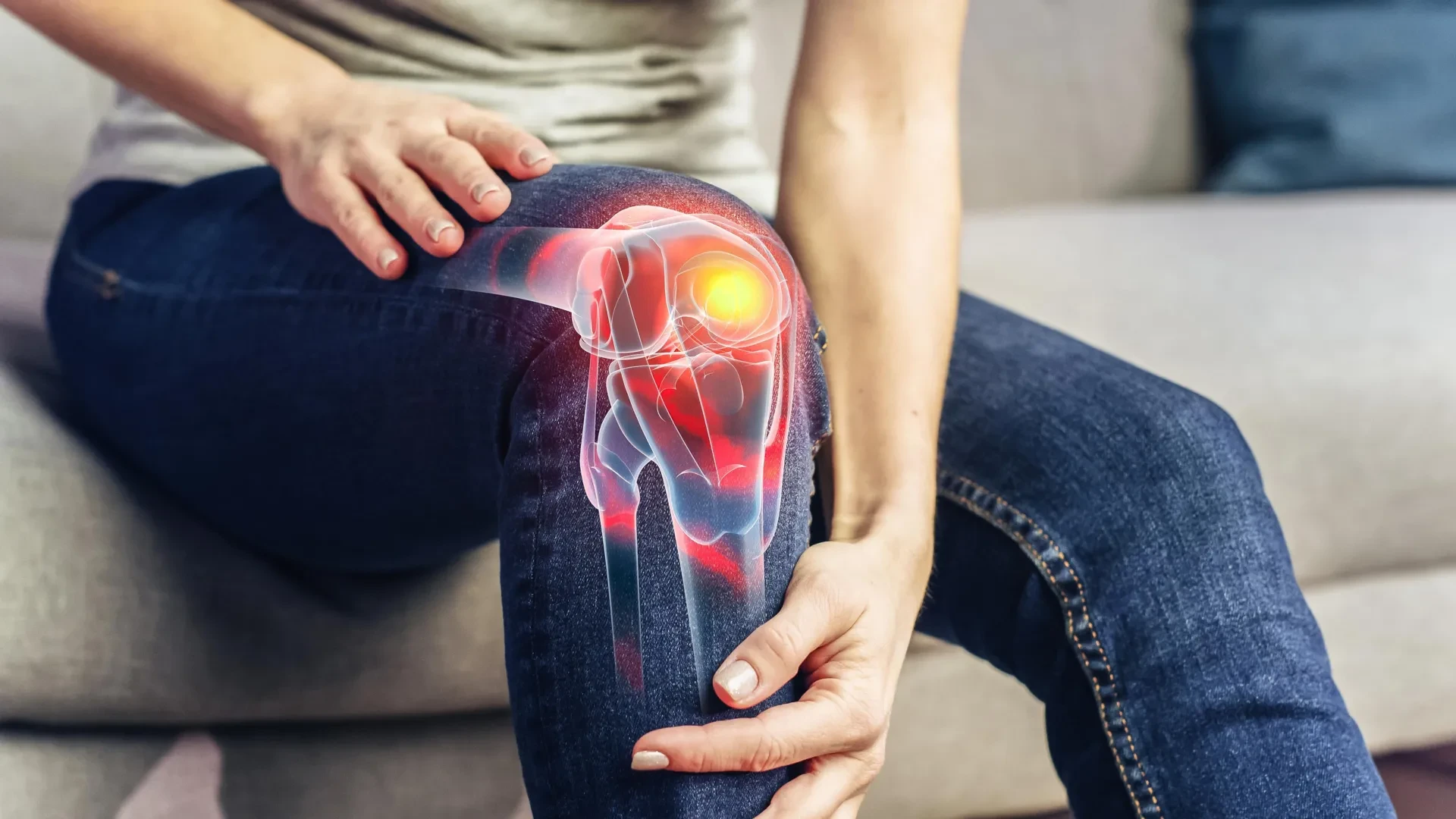
A routine daily fiber supplement may offer a breakthrough, low-effort strategy for managing the persistent pain of knee osteoarthritis, according to new research that also suggests a surprising connection between digestive health and muscle strength. In a recent clinical trial led by researchers at the University of Nottingham, participants suffering from knee osteoarthritis (OA) who were administered inulin—a common prebiotic fiber—reported significant reductions in pain, improved grip strength, and a notable decrease in overall pain sensitivity.
The findings, published in the journal Nutrients, provide a compelling look at the complex interplay between the gut microbiome, the nervous system, and physical function. Perhaps most significantly for those struggling to adhere to demanding treatment regimens, the inulin supplement proved far easier for participants to maintain than traditional physical therapy. While 21% of the participants assigned to a digital physical therapy program dropped out of the study, only 3.6% of those in the inulin-only group discontinued their participation, suggesting that dietary interventions may offer a more sustainable path for patients who find exercise-based therapy challenging to maintain.
A Growing Burden of Chronic Pain
Knee osteoarthritis is a debilitating condition that affects hundreds of millions of people globally. As one of the leading causes of chronic pain and disability—particularly among the aging population—it is characterized by the gradual deterioration of cartilage, the protective tissue that cushions the ends of bones within the knee joint. This structural breakdown often leads to a cycle of pain, stiffness, swelling, and reduced mobility, making simple daily tasks like walking, standing, or climbing stairs an exhausting ordeal for many.
Current clinical standards for treating OA focus primarily on symptom management and the preservation of joint mobility. While pharmacological interventions, such as pain medications, can offer temporary relief, they often come with a laundry list of potential side effects, ranging from gastrointestinal distress to more systemic complications. Conversely, physical therapy and structured exercise programs are highly effective for maintaining joint function and strengthening the muscles that support the knee. However, the paradox of physical therapy is that it often requires patients who are already in significant pain to engage in repetitive, strenuous movement. For many, the physical and psychological toll of this cycle makes long-term adherence to an exercise program difficult, leading to a significant "drop-off" in patient engagement.
The INSPIRE trial, conducted by the University of Nottingham team, sought to determine if a simple, low-barrier dietary change could bridge this gap in care. By testing whether a prebiotic fiber supplement could provide meaningful relief, the researchers aimed to offer a new, complementary strategy for patients for whom traditional exercise programs feel daunting or inaccessible.
The Mechanism: How Gut Health Influences Pain
The study focused on inulin, a naturally occurring prebiotic fiber found in chicory root, Jerusalem artichokes, and a variety of other vegetables. Unlike many other nutrients that are broken down by enzymes in the small intestine, inulin passes through the digestive tract largely intact until it reaches the large intestine. Once there, it serves as a primary fuel source for beneficial gut bacteria, which ferment the fiber to produce short-chain fatty acids (SCFAs).
Among these SCFAs, butyrate is perhaps the most significant. Butyrate plays a critical role in maintaining the integrity of the intestinal lining and is known to influence inflammation and the biological pathways that regulate pain. The researchers found that participants who consumed the inulin supplement exhibited higher levels of butyrate, providing evidence that the supplement was successfully altering the activity of the gut microbiome.
Beyond the production of SCFAs, the researchers observed another fascinating shift: an increase in glucagon-like peptide-1 (GLP-1). This hormone, released by the gut in response to specific stimuli, is widely recognized for its role in regulating blood sugar and appetite. Recently, however, it has gained significant attention for its potential links to pain regulation and the maintenance of muscle health. While medications like Ozempic and Wegovy are designed to target the GLP-1 pathway, this study investigated whether the body could naturally increase its own production of the hormone through the strategic support of beneficial gut bacteria.
The data revealed that higher levels of GLP-1 were associated with better grip strength among the participants. While the study did not definitively prove that the hormone caused the physical improvements, the correlation points to a "gut-muscle-pain axis" that suggests the digestive system may be far more integrated with our physical performance and pain processing than previously understood.
Comparing Inulin to Physical Therapy
The INSPIRE trial was a six-week, randomized, controlled study involving 117 adults diagnosed with knee osteoarthritis. To thoroughly test the efficacy of the interventions, the researchers split the participants into four distinct groups: one group took a daily inulin supplement; one group performed digitally supported physical therapy; one group combined both inulin and physical therapy; and a final group received a placebo.
The results were revealing. Both the inulin supplement and the physical therapy independently succeeded in reducing knee pain, confirming that both approaches offer valid symptom relief. However, the inulin group demonstrated specific advantages, including improvements in grip strength and a reduction in overall pain sensitivity—benefits that were not observed in the physical therapy-only group.
Pain sensitivity, which refers to the nervous system’s intensity of response to potentially painful stimuli, is a major factor in the experience of osteoarthritis. It is well-documented that the severity of pain reported by patients does not always correlate perfectly with the amount of visible damage within a joint. This discrepancy suggests that the nervous system plays a significant role in "amplifying" the pain signal. If a dietary intervention can effectively dampen that sensitivity, it could provide a profound improvement in quality of life for those suffering from chronic discomfort.
Furthermore, the improvement in grip strength was an unexpected, yet highly encouraging, finding. It implies that the systemic benefits of the fiber supplement may extend well beyond the knee joint, suggesting a potential for improving general physical resilience as patients age.
A New Chapter for Arthritis Care
Dr. Afroditi Kouraki, the lead author of the study from the University of Nottingham’s School of Medicine, expressed enthusiasm for the potential of these findings. "This study raises the exciting possibility that a simple dietary change—adding a fiber supplement to your breakfast or yogurt—could meaningfully reduce pain and improve physical function," Dr. Kouraki noted. She emphasized that the high retention rate of the supplement group is a crucial advantage from a public health perspective, as it provides a practical solution that patients can easily integrate into their existing daily routines.
However, the researchers are careful to emphasize that this is not a panacea. The study was relatively small and limited to a six-week duration, meaning that larger, longer-term trials are necessary to confirm whether these benefits persist over time and to identify exactly which patient populations are most likely to respond to this treatment. Moreover, the results do not suggest that fiber supplements should replace established care. Rather, they point to a potentially powerful, low-cost, and safe adjunct therapy that could complement existing medical treatments.
Professor Ana Valdes, a senior author on the study, highlighted the broader implications of the "gut-muscle-pain" connection. "The link we observed between GLP-1 and grip strength is particularly intriguing and points to a broader gut-muscle-pain axis that warrants further investigation," she said. "This could have implications not just for osteoarthritis, but for understanding how gut health influences aging and physical resilience more broadly."
The significance of these findings is perhaps best contextualized by the lived experience of those dealing with the condition. Professor Lucy Donaldson, Director of Research at Arthritis UK, highlighted that for many, the pain of arthritis is a constant presence. "Our recent lived experience survey showed that six in ten people are living in pain most or all of the time," Donaldson stated. "Researchers are starting to explore the role of the gut microbiome in our experience of pain. This exciting preliminary research highlights how diet and physiotherapy can act in different ways to have benefits for people with arthritis."
As the scientific community continues to move away from viewing joints as isolated systems and toward understanding the body as a network of interconnected biological pathways, this research offers a glimpse into a new frontier. By looking beyond the knee itself and into the complex world of the gut microbiome, scientists may be inching closer to more effective, accessible, and manageable strategies for those living with the daily challenges of arthritis. For now, the takeaway is clear: the path to pain relief may start, quite literally, in the gut.