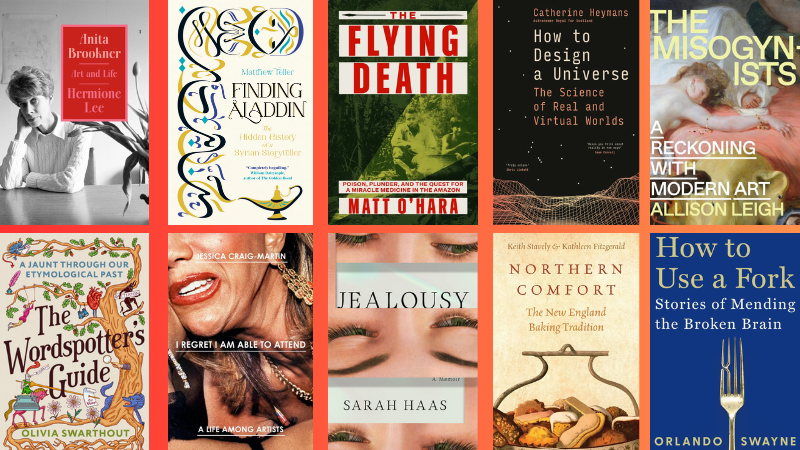
As the autumn publishing season reaches its peak, readers are greeted with an exceptional array of new nonfiction titles that delve into forgotten histories, scientific inquiries, cultural reckonings, and deeply personal memoirs. Among the standout releases this month are compelling works by acclaimed authors and historians, including Hermione Lee, Orlando Swayne, Sarah Haas, and several others who bring fresh perspectives to light through meticulous research and vivid storytelling.
From the Amazon rainforest to the origins of everyday words, and from the complex legacy of modern art to the hidden authors behind timeless literary classics, this month’s literary landscape provides plenty of thought-provoking material for avid readers.
Matt O’Hara, The Flying Death: Poison, Plunder, and the Quest for a Miracle Medicine in the Amazon
In 1938, a sickly and ambitious American named Richard Gill traveled down the Amazon River on a high-stakes quest. He was searching for curare, a potent poison historically used by native tribes on their blow darts. Gill, who suffered from multiple sclerosis, harbored a steadfast belief that curare held vast potential as a medical treatment for a wide range of diseases, including his own condition. He envisioned cornering the lucrative market for its export to North America and Europe, standing to make a profound fortune—provided he could secure the supply before major pharmaceutical corporations intervened.
In this gripping true narrative, historian Matt O’Hara introduces readers to the opportunists, adventurers, and gamblers who raced across borders to find curare and monetize its secrets. As curare ultimately revolutionized the nature of modern anesthetics on a global scale, O’Hara documents how these well-funded figures exploited, manipulated, and ultimately discarded the indigenous populations who originally unlocked curare’s properties. Gill never truly recovered from his grueling voyage, and neither did the communities he utilized to achieve his goals.
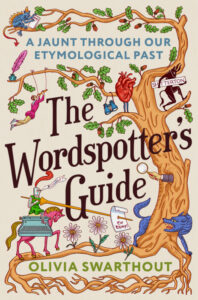
Olivia Swarthout, The Wordspotter’s Guide: A Jaunt Through Our Etymological Past
The study of etymology frequently teeters on the delicate boundary between dry academic exhaustion and genuine delight. Olivia Swarthout’s new book firmly establishes itself on the side of delight right from its subtitle, and it delivers on that promise without sacrificing rigorous scholarship. Swarthout leads her readers on an intellectually stimulating trip through the history of carefully selected English words.
For instance, the word boycott traces back to a very specific proper name: Charles Cunningham Boycott (1832–1897), an English land agent in Ireland who was tasked with enforcing punishing and unfair policies upon Irish tenants under the constant threat of eviction. In response to his harsh management, the local community collectively organized to shun him completely, refusing to conduct any business or social interactions with him. It is an engaging piece of linguistic history that provides an entertaining anecdote for social gatherings.
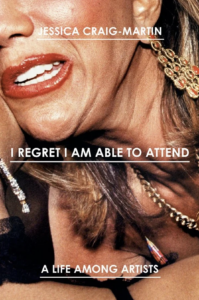
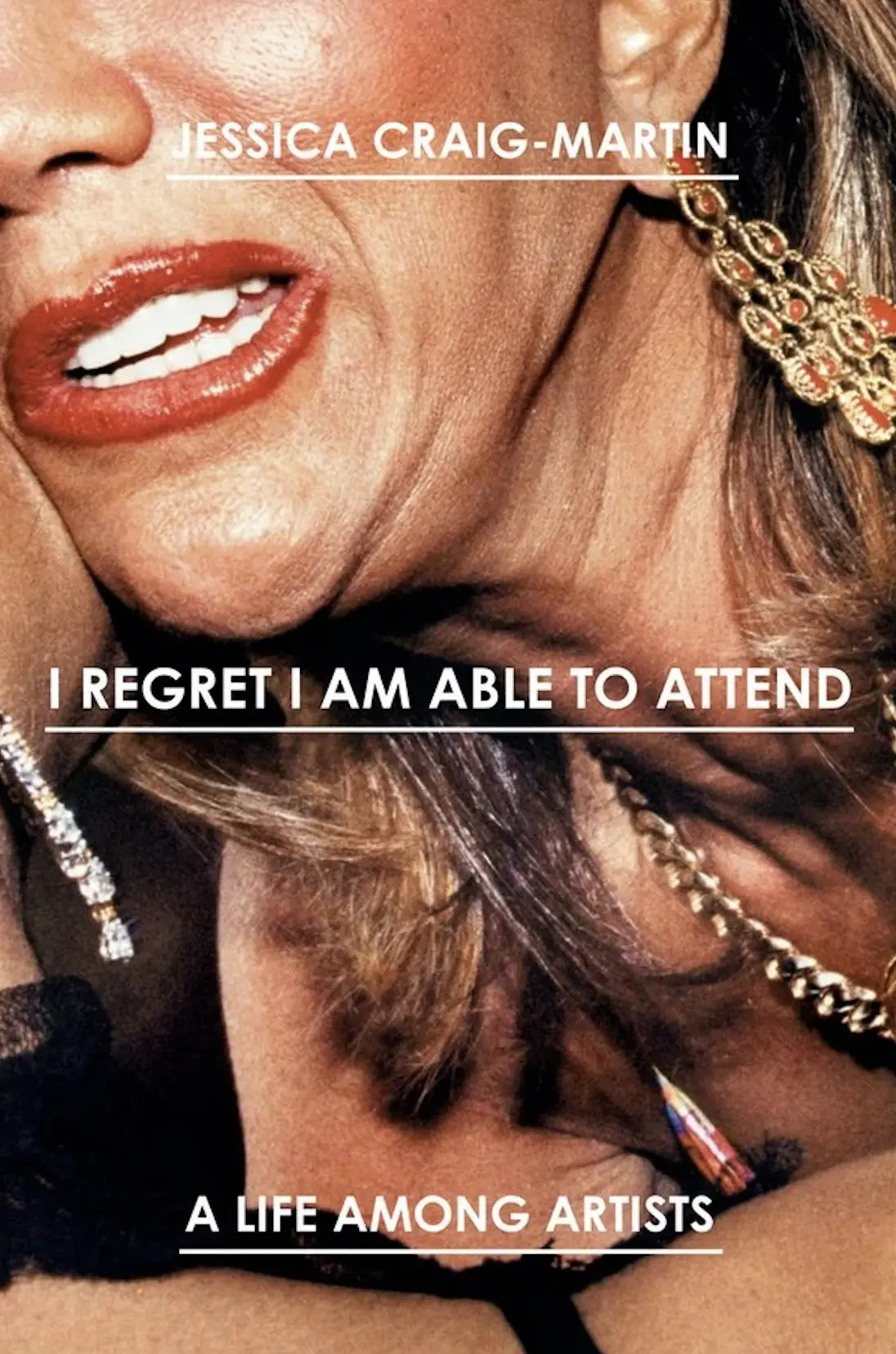
Jessica Craig-Martin, I Regret I Am Able to Attend: A Life Among the Artists
The writer and photographer Jessica Craig-Martin has long maintained a reputation for producing relentlessly unvarnished portraits of high society. When pointing her camera for glossy magazine spreads, she purposefully focuses her lens on the imperfections of privilege—the beads of sweat smearing a socialite’s makeup or the frozen, empty expressions worn by financial power brokers. Her new memoir, I Regret I Am Able to Attend, applies that same uncompromising transparency to her own life story with gossipy, name-dropping flair.
Chapter by chapter, Craig-Martin guides readers from her bohemian childhood as the daughter of two London artists who rubbed shoulders with cultural icons like Ossie Clark and David Hockney, through her early days slogging away as an anonymous assistant at Vanity Fair and British Vogue, until she finally discovered her own distinct artistic voice in photography. Warning readers early on that they should not look for traditional redemption in her narrative arc, Craig-Martin delivers an authentic, unfiltered look at the art world.
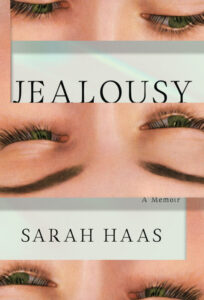
Sarah Haas, Jealousy: A Memoir
While jealousy has remained a constant feature of human relationships throughout history, the advent of modern social media has amplified its reach, allowing minor sparks of envy to escalate into consuming obsessions. In her memoir Jealousy, author Sarah Haas treats the emotion not merely as a theme, but as both a narrative lens and a distinct character.
Tracing her life’s trajectory beginning even before birth—in utero—Haas examines her own technologically mediated psychological unraveling through the grip of jealousy. At a time when contemporary memoirs often function primarily as public relations campaigns for their authors, Haas stands out for her willingness to cast an unflinching, honest gaze into the more difficult inner workings of her own psyche.
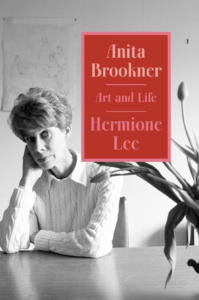
Hermione Lee, Anita Brookner: Art and Life
Anita Brookner, the English novelist who captured the prestigious Booker Prize in 1984 for her novel Hotel du Lac, has unfortunately faded from widespread recognition in the United States. In the United Kingdom, her literary reputation was long overshadowed by a wave of cultural dismissal following her award win, which many contemporaries felt should have gone to J.G. Ballard. Popular imagination frequently reduced her to the stereotype of the lonely, disappointed women who inhabited her fiction, casting her books aside as conservative and restrictive.
In this vivid and vigorous biography, literary critic Hermione Lee makes a powerful case for Brookner as an essential literary figure who deserves celebration rather than obscurity. Brookner notoriously resisted biographical intrusion, bragging to interviewers that she intended to leave no trace of her private life and reportedly destroying the vast majority of her personal papers. Lee notes that she could often hear Brookner’s imagined voice telling her to go away during the research process. Nevertheless, Lee demonstrates that the intense self-control defining Brookner’s legacy also fueled the austere elegance of her prose, successfully inviting a new generation of readers to rediscover Hotel du Lac.
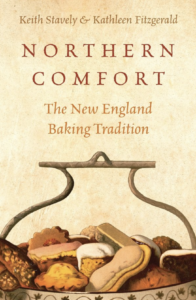
Keith Stavely and Kathleen Fitzgerald, Northern Comfort: The New England Baking Tradition
Food historians and retired library directors Keith Stavely and Kathleen Fitzgerald offer an expert look into the rich and diverse culinary culture of New England. Organized systematically by categories of baked goods—ranging from traditional breads to cookies and cakes—the authors utilize meticulous micro-histories to paint intimate portraits of how historic New Englanders baked, ate, and lived. Complete with authentic historical recipes, the book serves as both a cultural study and a practical kitchen companion, chronicling the deep-rooted culinary traditions of the region.
Catherine Heymans, How to Design a Universe: The Science of Real and Virtual Worlds
In 2003, philosopher Nick Bostrom proposed a radical thought experiment: the simulation hypothesis, which argues that our universe is almost certainly an advanced computer simulation generated by galactic beings far beyond our comprehension. In her new book, How to Design a Universe, Catherine Heymans, the Astronomer Royal for Scotland, directly engages with Bostrom’s philosophical premise.
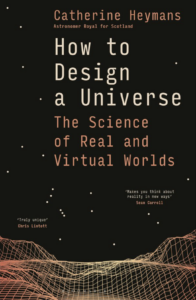
Heymans’s academic specialty lies in observing the unobservable, such as mapping dark matter by analyzing how its gravitational forces distort light traveling from distant galaxies. In her approachable and engaging book, she applies this scientific methodology to the simulation hypothesis. She questions what structural warpings and physical distortions within our own universe might hint at a foundational reality. Exploring the complexities of quantum mechanics, electrochemical sensory responses, and human consciousness piece by piece, Heymans challenges Bostrom’s argument while illuminating the fundamental nature of physical reality for her readers.
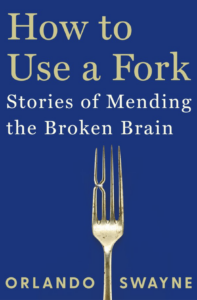
Orlando Swayne, How to Use a Fork: Stories of Mending the Broken Brain
Neurologist Orlando Swayne has crafted a rare medical book that approaches brain injury with a profound sense of hope rather than despair. Concentrating on the brain’s extraordinary and under-appreciated capacity for repair and neuroplasticity, Swayne avoids lingering solely on the fragility of the human mind. Instead, his book functions as an exploration not only of neurology, but of the human resilience required to rebuild oneself after fundamental faculties have been disrupted. Critical comparisons to the works of Oliver Sacks highlight the book’s narrative depth and compassion.
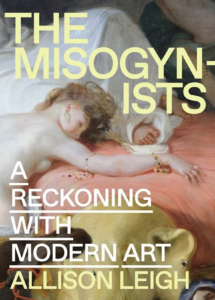
Allison Leigh, The Misogynists: A Reckoning with Modern Art
The foundational era of modern art was notoriously hostile toward women, but Allison Leigh’s deeply researched cultural history reveals just how systemic that mistreatment truly was. Examining the careers of six towering figures in the art world—Delacroix, Courbet, Degas, Renoir, Gauguin, and Picasso—Leigh documents the widespread misogynistic exploitation endured by women at the hands of men who remain revered artistic icons today, offering a sobering look at the complex realities behind celebrated works of art.
Matthew Teller, Finding Aladdin: The Hidden History of a Syrian Storyteller
In 1709, French scholar Antoine Galland sought to expand his widely popular European translation of One Thousand and One Nights. Having exhausted his primary Arabic manuscript sources and facing public demand for more stories of djinni, sultans, and magicians, Galland found himself without material.
His fortunes changed when he encountered Hanna Diab, a Syrian adventurer visiting Versailles. Diab’s colorful life experiences and vivid imagination provided a wealth of material, leading him to recount numerous tales to Galland, including the iconic story of Aladdin and his magic lamp. While Galland translated Diab’s narratives to immense acclaim across Europe, Diab himself received no credit or recognition during his lifetime. In this piece of literary detective work, journalist Matthew Teller restores Diab to his rightful place in history, examining the historical exchange of folklore between Europe and the Middle East and questioning how history chooses who to remember and who to forget.