As economic indicators flash warning signs across global markets, a familiar anxiety is beginning to take root among everyday consumers and automotive industry watchers alike. With artificial intelligence stocks tumbling, broader macroeconomic stagnation setting in, and mounting concerns over an unfolding auto debt crisis where a significant percentage of Americans find themselves underwater on their car loans, the specter of a major economic downturn feels increasingly difficult to ignore. Yet, despite tightening budgets, rising fuel prices, and the looming threat of widespread financial hardship, the fundamental realities of modern life remain unchanged. No matter how financially constrained households become, millions of people still need a reliable way to get to work, secure groceries, and manage daily responsibilities.
This pressing paradox brings the automotive world face-to-face with a critical question: What kind of dedicated "recessionmobiles" should manufacturers begin designing and building right now to prepare for the inevitable financial squeeze?
Historically, periods of economic contraction give rise to a distinct breed of utilitarian transportation. Think back to the post-recession era defined by sensible, no-nonsense nameplates like the Chevrolet Cruze and the Ford Focus—vehicles that focused heavily on getting occupants from point A to point B without pretending to be anything more than honest, affordable machinery. These cars succeeded because they matched the mood of the moment: practical, reliable, and, above all, economical. Today, however, the automotive landscape looks vastly different. New vehicle prices have soared to record highs over recent years, leaving the traditional entry-level sedan market largely abandoned by major manufacturers who have instead prioritized high-margin crossovers, massive SUVs, and increasingly expensive electric vehicles.
With fuel prices remaining a persistent burden and household budgets stretched to their absolute limits, consumers are once again yearning for maximum efficiency for every dollar spent. The central challenge facing the auto industry is clear. What should automakers start drawing up on their design boards today so they are fully prepared to hit the market with cost-effective, high-utility products the moment economic conditions deteriorate further?
I Think We All Need Cubs
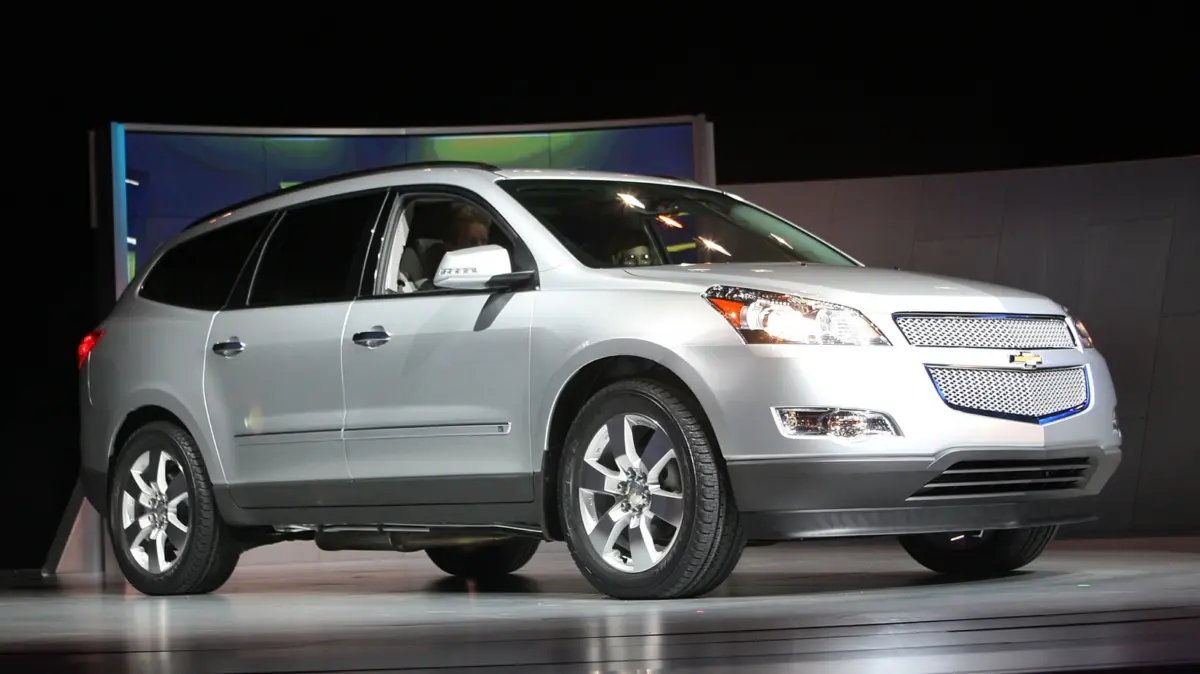
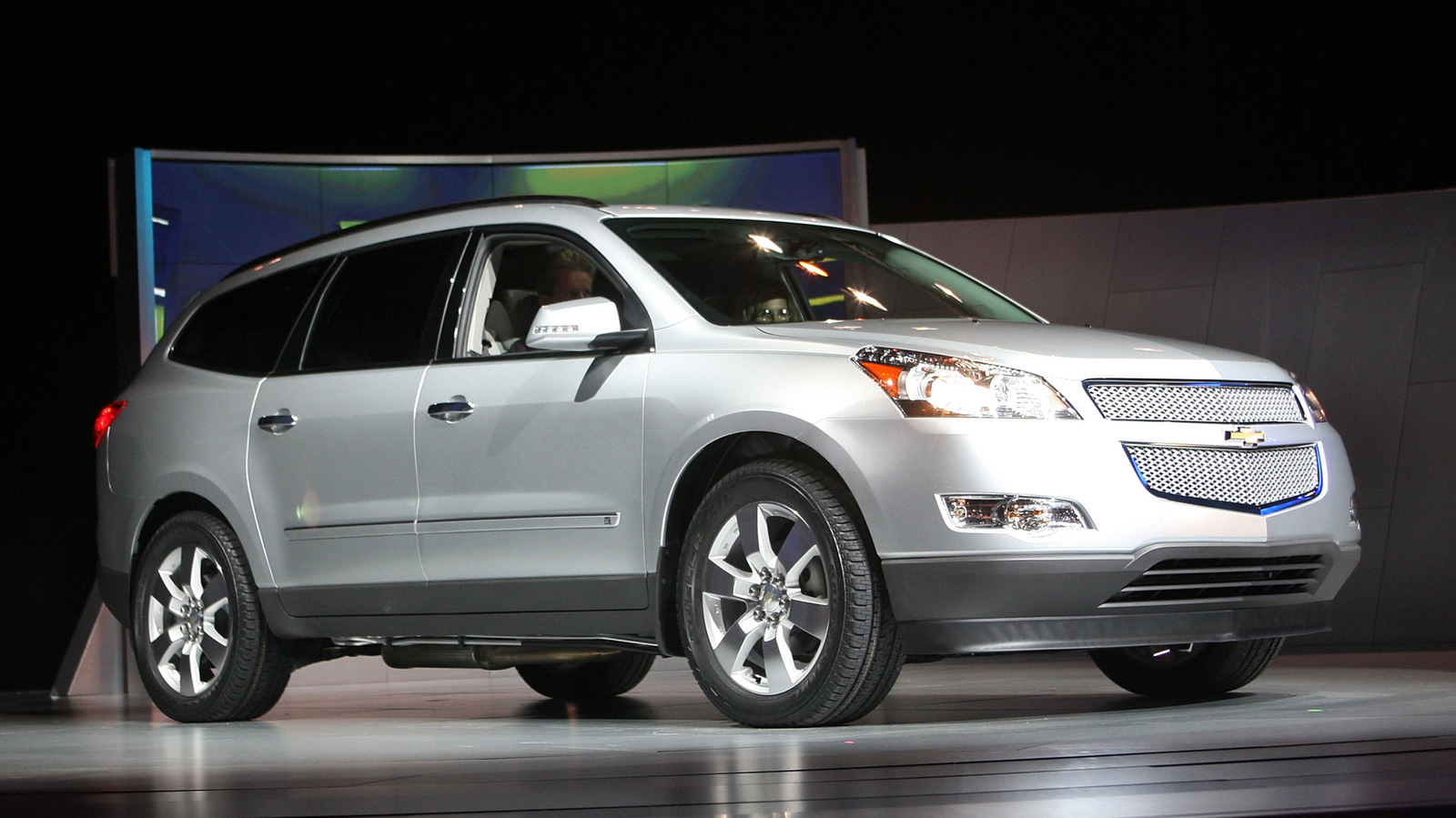
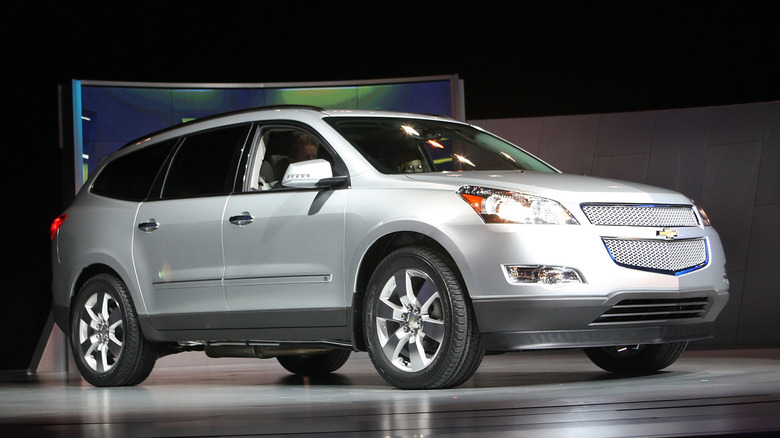
When contemplating the ideal vehicle to navigate a severe financial crisis, it may be time to seriously reconsider our collective reliance on traditional four-wheeled transportation altogether. For decades, the standard assumption has been that personal mobility requires a multi-seat automobile capable of carrying a family and substantial cargo. But in an era of deep economic contraction, that paradigm begins to crack under its own weight. Operating, insuring, and fueling a traditional car—such as a large family crossover—just to transport a single commuter feels increasingly wasteful when household finances are under extreme pressure. Furthermore, when budgets are razor-thin, consumers are unlikely to be embarking on massive wholesale club shopping sprees, rendering the cavernous cargo space of a modern midsize SUV completely superfluous.
Instead, the solution might already exist in the form of ultra-efficient, lightweight two-wheeled transport, epitomized by legendary designs like the Honda Super Cub. Celebrated globally for its bulletproof reliability, remarkable fuel economy, and unmatched simplicity, the Super Cub represents the ultimate philosophy of low-cost mobility. It does not try to impress neighbors or offer luxury creature comforts; it simply moves a rider dependably and cheaply through congested streets and suburban roads alike.
Yet, relying solely on Honda’s historic offering might not be enough to satisfy the broader demands of a shifting global market. There is a compelling argument to be made that other major global manufacturers should step into this space, applying their own engineering prowess to the concept of ultra-minimalist, highly efficient transportation. Imagine a world where companies like Suzuki, Triumph, or even Toyota try their hand at developing modern, highly accessible iterations of the tiny commuter vehicle. These brands possess the manufacturing scale, safety expertise, and distribution networks necessary to bring truly disruptive, low-cost options to drivers who have been priced out of the modern new car market.
As the financial horizon grows increasingly uncertain, the conversation around what constitutes essential transportation is bound to intensify. More companies should consider looking beyond conventional automotive templates and investing in modern variations of the Super Cub or similar minimalist platforms to guide consumers through the next major economic challenge. The debate remains wide open as industry analysts, enthusiasts, and everyday drivers weigh in on what the ultimate recession-era vehicle should look like, how much it should cost, and what features should be prioritized to keep society moving forward when times get tough.