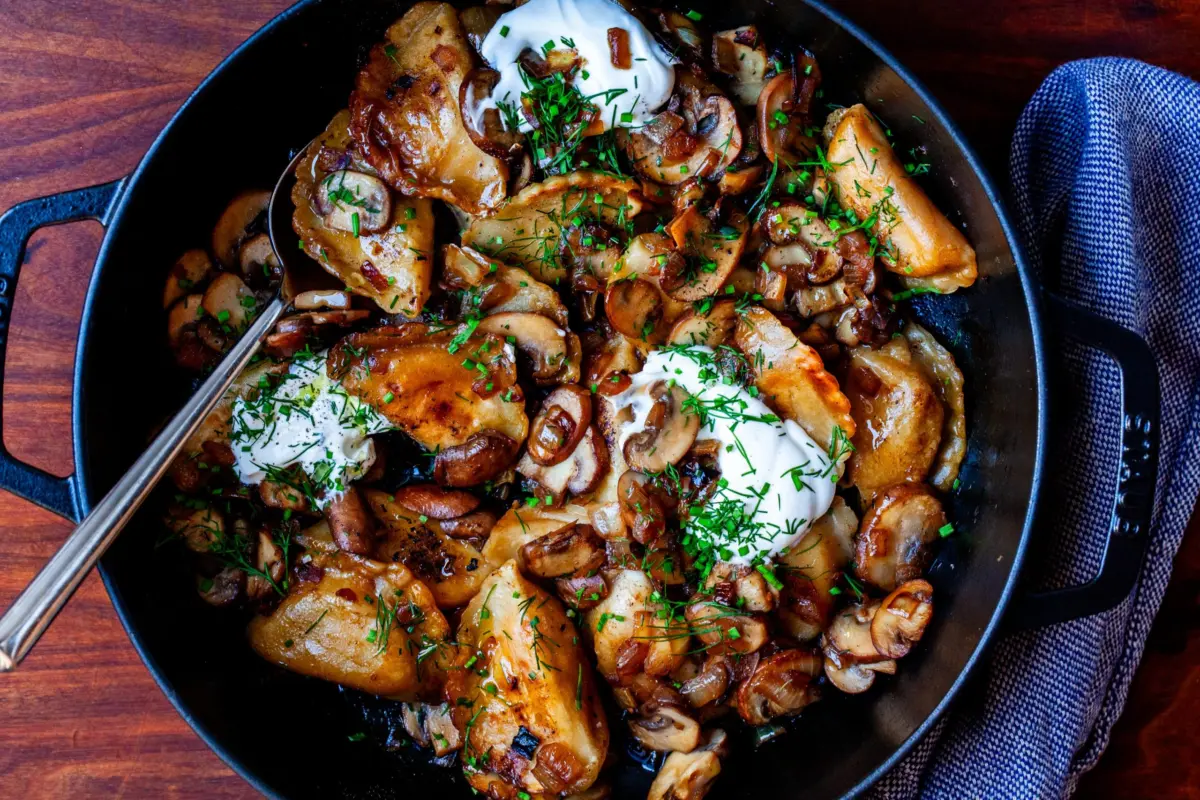
In the whirlwind of daily life, where professional responsibilities often collide with the relentless demands of family schedules, the quest for a meal that balances comfort, speed, and culinary satisfaction is an ongoing pursuit. As the seasons shift and autumn brings a renewed appetite for hearty, warming dishes—specifically those involving the comforting combination of carbohydrates, caramelized aromatics, and earthy vegetables—the necessity for efficient kitchen strategies becomes paramount. For many home cooks navigating the complexities of school runs, extracurricular adjustments, and high-stakes deadlines, the "one-pan" meal has emerged as a beacon of sanity. Among the latest culinary solutions to gain traction is a reimagined approach to the classic pierogi, transforming a traditional freezer staple into a gourmet-adjacent dinner that requires minimal cleanup and less than 30 minutes of active preparation time.
The appeal of this method lies in its inversion of the conventional preparation process. Typically, pierogi are subjected to a multi-stage cooking ritual: first a lengthy boil in water, followed by a separate sauté in a pan to achieve the desired golden exterior. This traditional technique, while reliable, often results in extra pots to wash and a longer wait time that few busy households can afford on a Tuesday evening. The modern "skillet-first" approach streamlines this entirely. By prioritizing the development of flavor through the caramelization of onions and the browning of mushrooms before introducing the pierogi directly to the heat, the cook creates a flavor foundation that is far superior to simple boiling.

The process begins with a deep, spacious skillet—a piece of equipment that is arguably the most valuable tool in any home cook’s arsenal. By heating a combination of butter and olive oil, the base aromatics are allowed to soften and reach a deep, golden hue. Once the onions have achieved the desired level of sweetness, the addition of garlic and mushrooms introduces a savory, earthy depth. The key to this stage is patience; allowing the mushrooms to brown undisturbed in the pan ensures a caramelized crust that adds significant texture and flavor complexity to the final dish. Once these vegetables have been sautéed to perfection, they are momentarily set aside, clearing the stage for the main event.
The pierogi themselves, which should ideally be selected in smaller sizes for optimal cooking efficiency, are placed frozen directly into the hot, seasoned pan. This is where the culinary magic happens: instead of using a pot of boiling water, the cook utilizes a small amount of water added directly to the hot skillet. As the water hits the pan, it creates a controlled steam, effectively cooking the dough through while the residual heat from the fat ensures the exterior remains crisp and chewy. This dual-action cooking method results in a product that maintains the integrity of the fluffy potato center while delivering a satisfying, golden-brown crust.

The success of this dish is rooted in the contrast of textures and temperatures. The combination of crispy, pan-seared dough and soft, savory potato centers provides a robust base, but it is the finishing touches that elevate the meal from a simple weeknight fix to a balanced culinary experience. Once the pierogi are tender and the vegetables are reintroduced to the pan, a deliberate, final sequence of additions creates the "cold-meets-hot" sensation that defines the best comfort food. A precise drizzle of white vinegar acts as a crucial acidic counterpoint to the richness of the butter and starch. This is followed by generous dollops of sour cream and a fresh, vibrant scattering of dill and chives. The result is a dish that feels intentionally crafted rather than quickly assembled, yet it remains firmly within the realm of high-speed, low-stress weeknight cooking.
This approach to the pantry staple also highlights the versatility of simple, inexpensive ingredients. When managed correctly, a bag of frozen pierogi—or, for the more ambitious, traditional Ukrainian vareniki, which feature a thinner, more delicate dough—becomes the centerpiece of a meal that rivals far more complicated recipes. The vareniki, known for their slightly smaller size and more refined texture, serve as an excellent alternative for those looking to elevate the dish further, though the standard grocery store pierogi remains a perfectly acceptable and accessible option.

The broader context of this "one-pan" philosophy is part of a growing movement in home cooking that prioritizes sustainability of effort. Whether it is the similar technique used for crisping tortellini with peas and prosciutto or the rapid, skillet-based preparation of ravioli with fresh greens, these methods emphasize that one does not need to compromise on quality to accommodate a hectic lifestyle. For the cook, the ultimate reward is the brevity of the cleanup process: a single skillet, a cutting board, and the minimal cutlery required to enjoy the meal. It is a testament to the idea that a "full meal" doesn’t necessarily require a full kitchen of dirty dishes.
This focus on efficiency is particularly relevant for those balancing professional demands with family life. The ability to produce a meal that satisfies the palate while minimizing the time spent at the sink allows for more space to enjoy the meal itself—or perhaps, as some might jokingly suggest, to skip the formality of a plate entirely and eat directly from the source. The simplicity of the ingredients—onions, mushrooms, herbs, and a humble package of frozen dumplings—proves that luxury in the kitchen is often defined not by the exclusivity of the components, but by the intelligence of the technique applied to them.

Ultimately, the skillet pierogi serves as a reminder that cooking is a functional art. It is a way to nourish oneself and one’s household without becoming tethered to the stove for hours on end. By stripping away the unnecessary steps and focusing on the essential interplay of heat, texture, and flavor, the home cook can reclaim the kitchen as a place of genuine joy rather than a site of obligation. As we move deeper into the busier months of the year, these techniques provide a reliable framework for maintaining a standard of quality that doesn’t falter under the weight of an overflowing calendar. Whether one is a seasoned chef or a novice looking to streamline their dinner rotation, the skillet-based approach to traditional comfort food remains a vital, enduring, and immensely satisfying strategy for the modern home.