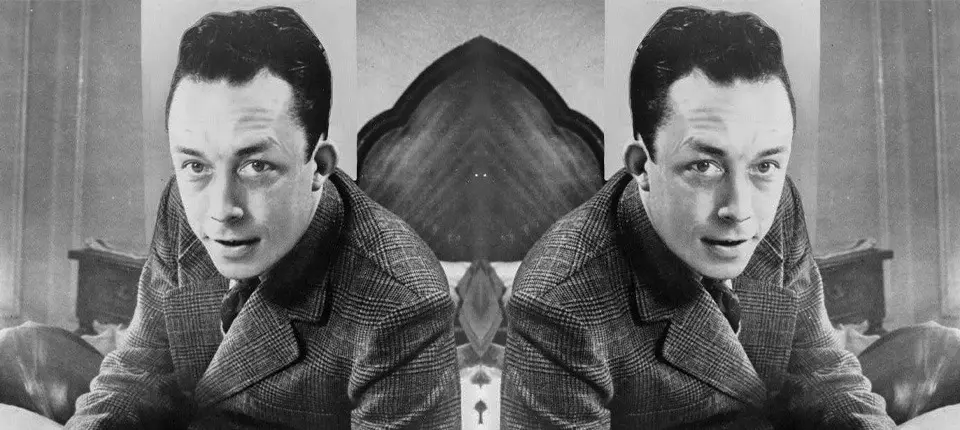
The literary world pauses this week to commemorate the birth anniversary of French-Algerian philosopher, author, and journalist Albert Camus, born on November 1, 1913. Known for foundational works of absurdism and existentialism such as The Stranger, The Fall, and The Myth of Sisyphus, Camus continues to cast a long shadow over modern literature, thought, and political discourse. His enduring influence serves as a cornerstone for a packed week in the literary internet, where readers, critics, and writers grapple with everything from the realities of working-class fiction and historical journalism to the evolving landscapes of poetry, science fiction, and non-fiction.
As the literary community reflects on Camus’s legacy of intellectual rigor and moral inquiry, publishers are rolling out an extensive slate of new releases for the month of November. Among the standout discussions making waves online is Megan Nolan’s deep dive into Agnes Owens’s novel A Working Mother. Nolan offers a fresh look at Owens’s sharp, unsparing depiction of the Scottish working class, celebrating a voice that captures the grim humor and quiet dignity of everyday struggles. This focus on labor, class, and ordinary life is mirrored elsewhere in contemporary releases, with critics examining Sergey Davydov’s approach to storytelling, which foregrounds the texture of ordinary lives against shifting geopolitical backdrops.
For younger readers, November brings a diverse array of fresh children’s books designed to navigate tough days while delivering good laughs. Reviewers are highlighting titles that manage the delicate balance of addressing complex emotional landscapes for children without sacrificing joy and entertainment. Simultaneously, poetry enthusiasts have plenty to explore with this month’s best new poetry collections. Highlights include Jana Prikryl’s evocative poem “Mirror,” published alongside a profound rediscovery of Mahmoud Darwish’s “Arabic Music,” offering readers a rich cross-section of contemporary and canonical lyrical mastery.
Non-fiction and historical examinations are also dominating literary conversations this week. In literary history, November marks the momentous anniversary of Sinclair Lewis becoming the first American writer to win the Nobel Prize in Literature, an achievement that permanently altered the global standing of American letters. Moving from literary accolades to the gritty realities of world history, recent essays explore the pioneering journalistic work of Erika Mann, who covered the Nuremberg Trials and boldly met with Nazi war criminals ahead of their prosecution. This rigorous engagement with historical memory extends to art history, where critics are examining the complex task of falling in and out of love with dead, occasionally misogynistic artists, untangling the perennial dilemma of separating the creator from the creation.
The boundaries of genre fiction are expanding as well, with critics taking a closer look at what is hitting shelves this November. Sci-fi and fantasy enthusiasts are being treated to unconventional narratives featuring vampiric broodmothers, gig-economy ghosts, and medieval abortionists. In parallel, passionate critical debates are emerging over the mechanical and thematic tropes of speculative fiction, including a spirited argument for why science fiction needs to embrace more sex to avoid becoming overly sterile. Nature writing is also receiving a creative refresh, with authors like Priyanka Kumar discussing the intricate process of incorporating and illustrating her own art into nature writing, bridging the gap between visual and textual representations of the natural world.
The intersection of creative writing, translation, and personal craft has generated considerable discourse across literary platforms. Translation remains a vital bridge for global literature, with writer Ilan Stavans penning an insightful letter to emerging translators that tackles the imposter syndrome and community-building inherent in rendering texts from one language into another. Meanwhile, essayists are drawing unexpected parallels between the patience required for fly fishing and the iterative process of crafting fiction, while others explore the psychological hurdles of managing self-doubt, self-worth, and self-esteem in an industry defined by subjective evaluation.
Cultural critique this week extends far beyond the page, touching on documentary filmmaking ethics, ghostly traditions, and personal essays. Writers are examining the delicate balance of journalistic duty and ethical responsibility in documentary art, specifically through analyses of films like NAZA. Others are mapping out the ghostly and the real across African literary traditions, tracing how spirit worlds function within postcolonial narratives, while writers like Hanif Abdurraqib reflect on the lasting lessons imparted by June Jordan. From practical debates about book club etiquette—such as the perennial friction over reading too much genre fiction—to the olfactory history of book collecting and the aromatic nostalgia of old volumes, the literary internet covers a vast spectrum of human curiosity.
Rounding out the week’s offerings, readers can consult the Independent Press Top 40 Bestsellers list for both fiction and non-fiction to see what independent bookstores across the country are championing. Critical roundups, such as the top five book reviews of the week and broader weekly review roundups, provide immediate guidance for discerning readers navigating the deluge of new titles. Finally, cutting-edge discussions at the intersection of literature and science highlight how modern neuroscience is increasingly offering paralyzed people the chance to speak again, proving that the human impulse to communicate—whether through ink, verse, or neural interfaces—remains as vital as ever.