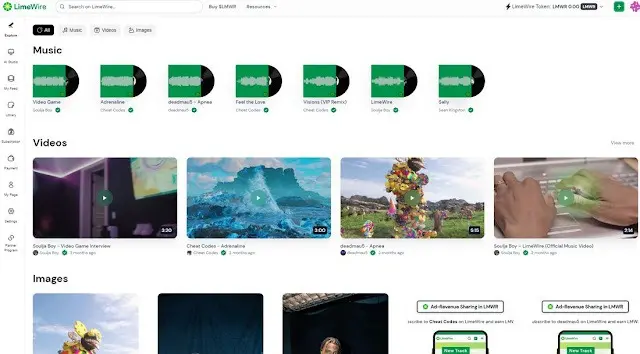
In the rapidly shifting landscape of digital media and artificial intelligence, few brand transformations have been as unexpected as the resurgence of LimeWire. Once synonymous with the peer-to-peer file-sharing culture of the early 2000s, the name has been reclaimed and repurposed for a new era of digital creativity. Today, LimeWire exists as a sophisticated, AI-driven content publishing platform that seeks to redefine how creators generate, distribute, and monetize their digital work. By moving away from its controversial roots, the platform has repositioned itself as a legitimate hub for generative AI tools, providing a unique space where technology meets commerce.
The modern incarnation of LimeWire is designed to empower artists, musicians, and designers by lowering the barriers to entry for AI-assisted content creation. While the market is currently saturated with various generative AI tools, LimeWire distinguishes itself by integrating these creative capabilities directly into a monetization-friendly ecosystem. It is no longer just about generating an image; it is about turning that image into a tangible digital asset that can be shared, traded, and owned.
A New Chapter for a Familiar Name
The transition from a decentralized file-sharing protocol to a centralized AI studio is a significant pivot. The current LimeWire platform allows users to sign up and immediately begin crafting original content using advanced generative models. This content is then hosted on LimeWire Studio, a dedicated space where creators can showcase their portfolios. The platform has already attracted high-profile attention, with artists such as Deadmau5, Soulja Boy, and Sean Kingston utilizing the space to publish NFT-based music, video, and visual art.
By offering a streamlined interface, LimeWire aims to bridge the gap between complex AI technology and the average user. It provides a creative sandbox that is both free and accessible, allowing individuals to explore the potential of AI without needing an engineering background. This approach has positioned the platform as a key player in the democratization of generative art, allowing anyone with an internet connection to experiment with professional-grade tools.
The Power of AI Image Generation
At the heart of the platform’s current offerings is its AI image generation suite. LimeWire has integrated several industry-standard models, including Stable Diffusion 2.1, Stable Diffusion XL, and DALL-E 2, providing users with a high level of versatility. This multi-model approach allows creators to experiment with various artistic directions, ranging from cinematic landscapes and digital art to pixel art, anime, and analog-style film photography.
The flexibility of the platform is perhaps its most compelling feature for creative professionals. Users can adjust their creative output by providing simple text prompts or by inputting highly detailed, complex instructions to achieve specific visual results. Beyond the initial generation, the platform provides tools to fine-tune the quality of the output, including advanced samplers that allow for greater control over detail and texture.
LimeWire is not resting on existing technology, however. The company has confirmed that it is actively developing its own proprietary AI model, which aims to further differentiate its output from standard market offerings. This investment in internal R&D suggests a long-term commitment to maintaining a competitive edge in an industry that moves at breakneck speed. For users, this means that the platform will likely evolve to become more refined, offering increasingly nuanced control over the creative process.
Transforming Content into Digital Assets
One of the defining features of LimeWire’s business model is the seamless integration of blockchain technology. Once a user creates an image, they have the option to publish it directly to the platform. During this process, LimeWire automatically mints the creation as a Non-Fungible Token (NFT) on either the Polygon or Algorand blockchain. This step is pivotal, as it provides the content with a unique digital signature, ensuring its provenance and authenticity in a decentralized format.
This transition from a digital file to an NFT changes the nature of the relationship between the creator and the consumer. Every piece of content becomes a unique, ownable, and tradable asset. Fans are no longer just passive viewers; they can subscribe to a creator’s page to gain exclusive access to content, effectively participating in the creator’s artistic journey. Furthermore, the platform incentivizes this ecosystem by ensuring that creators earn a 2.5% royalty every time their content is traded on the secondary market. This creates a sustainable loop where creators benefit from the ongoing popularity and circulation of their work.
Monetization and the Creator Economy
LimeWire has built its platform around the philosophy that creators should be compensated for the value they generate. Beyond the NFT marketplace, the platform introduces a comprehensive ad-revenue sharing model. When creators publish their content, they are eligible to receive 70% of the ad revenue generated by users viewing their images, music, and videos on the platform. This provides a consistent, passive income stream that is particularly attractive to designers and artists looking to monetize their daily experimentation.
The financial backbone of this system is the LMWR token, LimeWire’s native cryptocurrency. Earnings are distributed to creators in the form of these tokens on a monthly basis. Once received, these tokens can be traded on major cryptocurrency exchanges such as Kraken, ByBit, and Uniswap, providing a bridge between the platform’s digital economy and the broader crypto market. Additionally, users can choose to reinvest their earnings back into the platform by using LMWR tokens to pay for additional prompts, further fueling their creative output.
Navigating the Subscription Tiers
While LimeWire offers a free tier for casual users—providing 10 credits that allow for the generation of up to 20 images per day—the platform also offers a range of premium subscription plans for power users and professional creators. These plans are structured to scale with the user’s needs, offering increased credit allowances, early access to new AI models, and higher percentages of ad revenue sharing.
The pricing structure is designed to accommodate a wide spectrum of users. For instance, the entry-level premium plan at $9.99 per month grants users 1,000 credits, allowing for up to 2,000 image generations. As users move up the tier list—with plans at $29, $49, and $99 per month—the benefits grow substantially. Higher-tier subscribers receive as many as 11,250 credits per month, enabling up to 22,500 image generations.
All premium subscribers also gain access to exclusive platform features, such as a "Pro" profile badge, a comprehensive history of their creative output, faster generation times, and an ad-free experience. This tiered approach ensures that casual hobbyists can access the platform’s core features for free, while full-time creators have the necessary resources to manage large-scale projects without encountering the limitations of a free account.
A Future-Facing Platform
Looking ahead, LimeWire’s roadmap is focused on expansion. While the current studio is heavily weighted toward AI image generation, the company has clearly communicated its intention to integrate music and video generation tools into the platform. Given the platform’s history and its current focus on digital collectibles, the introduction of generative AI music and video is a logical evolution that could significantly broaden the scope of its creator community.
The potential for this expansion is vast. By providing artists with the tools to generate AI-assisted music or video content and then immediately minting that content as an NFT or a subscription-only asset, LimeWire is positioning itself to become a multi-media hub. This strategy not only keeps the platform relevant in a rapidly changing technological climate but also offers a holistic solution for creators who want to work across multiple mediums.
In summary, LimeWire has successfully navigated a challenging transition, shedding its past identity to embrace the opportunities provided by generative AI and blockchain. By focusing on accessibility, monetization, and community engagement, the platform provides a compelling case for how AI can empower the modern creator. As it continues to refine its image generation tools and prepares to roll out music and video capabilities, LimeWire stands as a notable example of how technology can be harnessed to redefine the traditional relationship between artists and their audiences. For those looking to explore the intersection of art and artificial intelligence, the platform remains an accessible starting point, promising a future where the only limit to content creation is the creator’s imagination.