In 1964, visionary Italian director Sergio Leone fundamentally redefined the cinematic Western genre with A Fistful of Dollars. Moving far away from the relatively simplistic, black-and-white morality tales that had defined earlier Hollywood pictures, Leone introduced audiences to a radically different kind of protagonist. Instead of a noble, upstanding hero fighting for absolute justice, his central figure was an opportunistic, morally ambiguous gunslinger. This wandering stranger cunningly pitted two rival Old West gangs against one another solely to secure a massive payday for himself.
Despite the profound moral complexity of the narrative—or perhaps precisely because of it—A Fistful of Dollars became an international box-office sensation. The film’s massive success proved three critical truths to the global film industry: audiences were eagerly waiting for a fresh, gritty take on the traditional Western; America no longer held an absolute monopoly on crafting iconic stories about its own frontier history; and Clint Eastwood was an undeniable, highly bankable movie star.
Yet, in a remarkable creative feat, Leone managed to top his own groundbreaking work just a single year later.
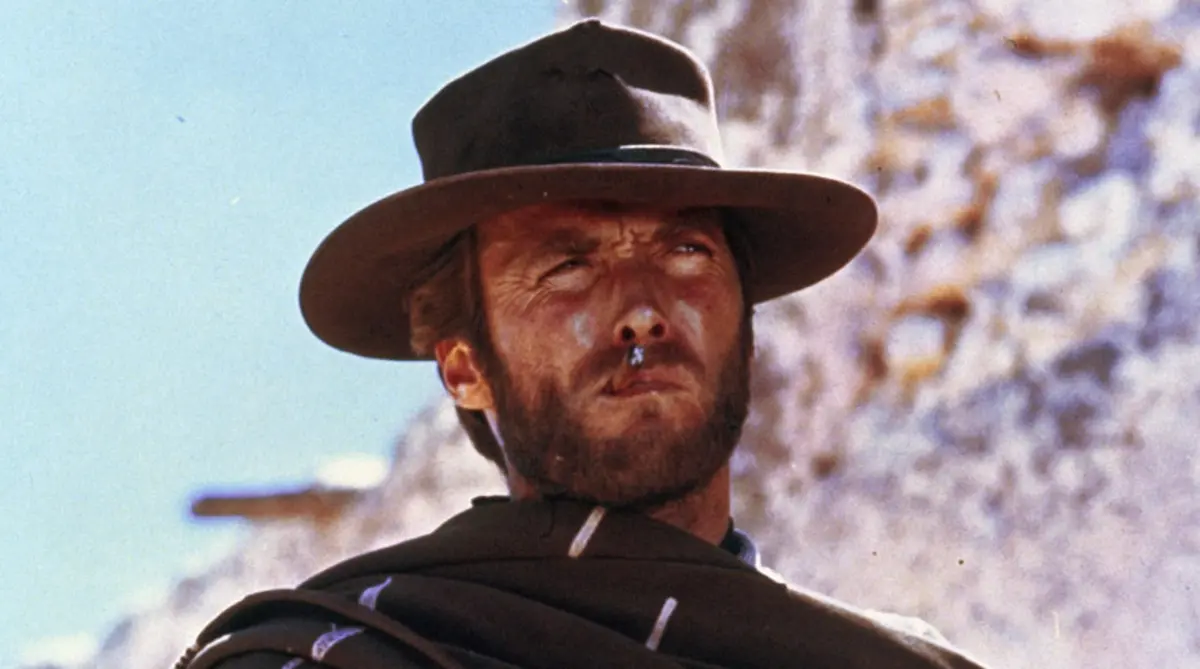
Released in 1965, For a Few Dollars More brought Clint Eastwood back to the screen as the iconic "Man with No Name." While that famous moniker served primarily as a brilliant marketing hook for American audiences, the character is actually identified as "Manco" in this installment, just as he was called "Joe" in the preceding film, despite clearly being the exact same drifter. In this chapter, Manco operates as a gritty, sharp-eyed bounty hunter hot on the trail of El Indio, a ruthless and deeply murderous bank robber who has just orchestrated a violent breakout from prison alongside his loyal gang of thieves.
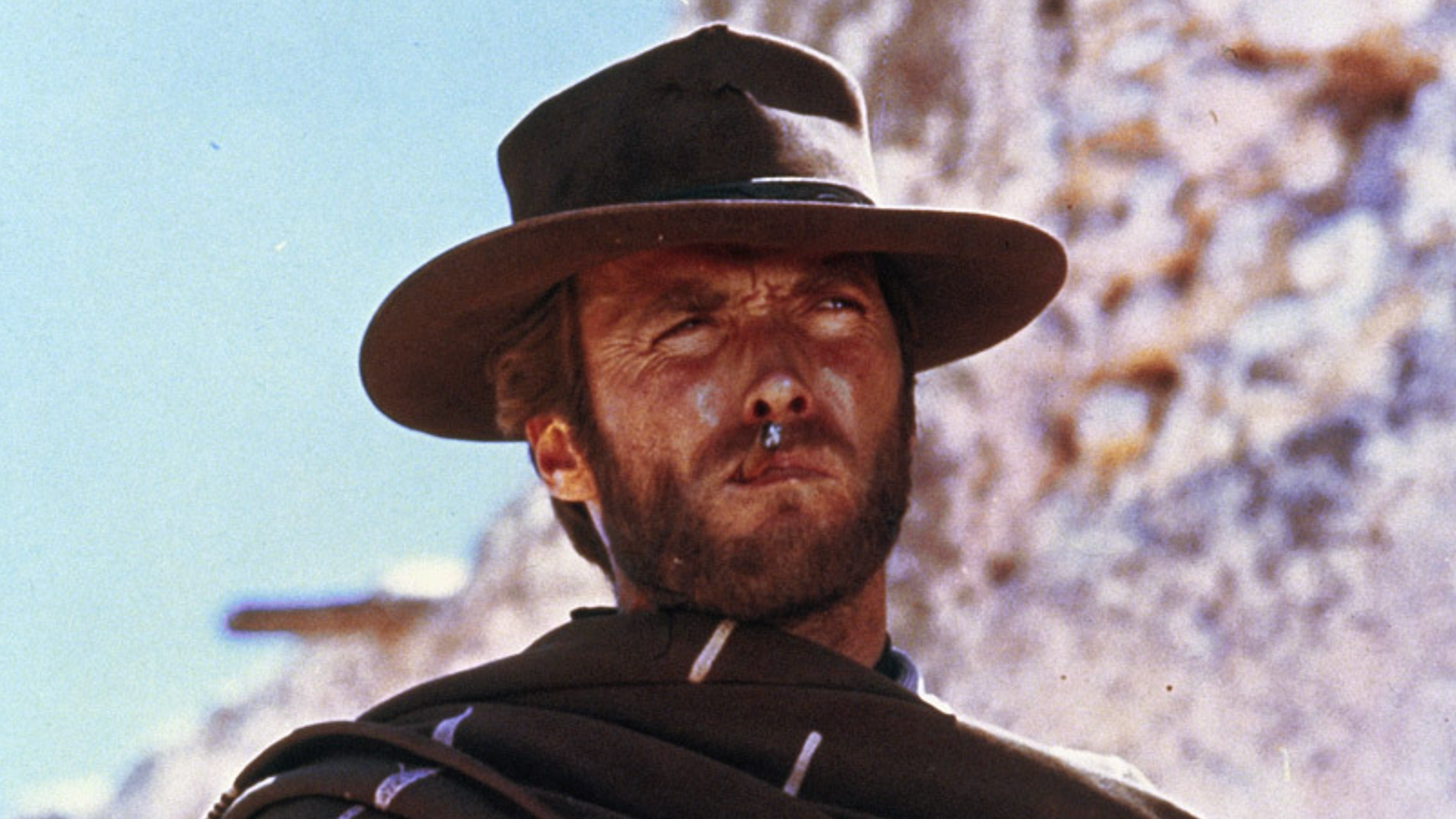
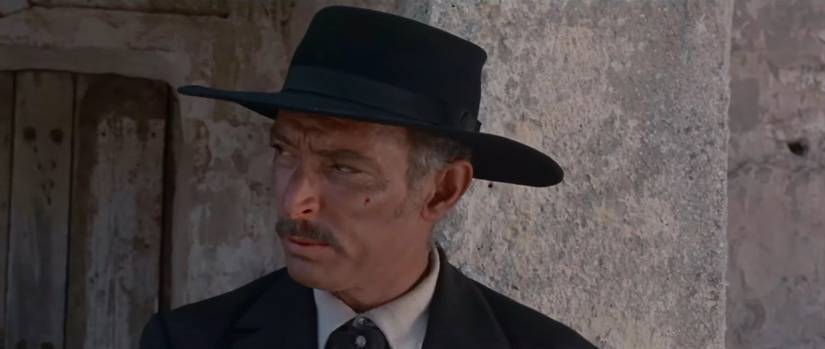
However, Manco is not the only professional hunter tracking the volatile outlaw. Also closing in on El Indio is Colonel Douglas Mortimer, portrayed by legendary actor Lee Van Cleef. Mortimer is a bounty hunter of a distinctly different breed, standing in stark contrast to Manco’s rough-around-the-edges, instinct-driven approach. Where Manco relies on raw survival instincts and casual bravado, Mortimer is cold, calculating, and exceptionally precise, utilizing an arsenal of specialized firearms and a razor-sharp intellect.
Despite their underlying differences and a palpable mutual distrust, Manco and Mortimer eventually forge an uneasy, tactical alliance to bring El Indio down together. The two men hatch a daring, high-stakes plan: each will independently infiltrate the ranks of El Indio’s gang. By gaining the vicious outlaw’s trust from the inside, they hope to dismantle the operation, eliminate the threats, collect the official bounties, and split the reward. However, the financial stakes escalate dramatically when El Indio successfully executes a massive, highly coordinated bank robbery and stashes the stolen fortune away until the immediate pursuit cools down. With a much larger potential payday now hanging in the balance, Manco and Mortimer shift their ultimate sights toward seizing the hidden cash stash right along with the bounty.
The Evolution of Moral Complexity and Character Dynamics
What makes For a Few Dollars More such a remarkable achievement within the Western genre is its deepening exploration of moral ambiguity. While A Fistful of Dollars successfully broke the mold by introducing a multifaceted protagonist, For a Few Dollars More elevates this complexity across every single major character in the narrative.
Eastwood’s Manco remains the same gruff, alluring opportunist he was in the first film, but the sequel enriches his persona by introducing a compelling dynamic through his partnership with Mortimer. The two men share an organic, beautifully paced narrative arc where their initial professional rivalry gradually transforms into genuine mutual respect. Their relationship bears a striking thematic resemblance to a classic "buddy cop" dynamic—not because the film relies on traditional comedic relief, but because it charts an unlikely pairing moving from cautious suspicion to becoming true partners who deeply value each other’s unique strengths.
Colonel Mortimer, meanwhile, stands out as a brilliantly written character in his own right. Throughout the film, he is clearly harboring profound personal secrets, keeping his true motivations shrouded in mystery until the narrative reaches its powerful conclusion, where the audience finally learns why he is so intensely dedicated to hunting down El Indio.

As the central antagonist, El Indio is crafted with a remarkable level of psychological depth that far exceeds the standard cinematic villain of the era. Working closely with director Sergio Leone, actor Gian Maria Volonté created a bad guy who feels distinctly tortured rather than cartoonishly evil. Throughout the film, El Indio persistently carries a pocket watch bearing the photograph of a young woman. The tragic backstory reveals she had been one of his victims, driven to suicide while enduring a brutal assault at his hands. The watch plays an eerie, haunting musical tune that El Indio utilizes to count down the exact seconds during his tense, deadly duels.
Furthermore, the character is depicted as battling a severe narcotics addiction throughout much of the story, leaving him trapped in a hazy daze, yet he remains perpetually capable of sudden, terrifying flashes of volatile rage and calculated violence. While these dark layers do not necessarily make El Indio a sympathetic figure—he remains an unmitigated monster, and the film portrays him strictly as such—they grant him a chilling realism and an unpredictable edge that elevates the tension of every scene he occupies.
Expanding the Scope and Scale on a Larger Budget
The production of For a Few Dollars More was greenlit directly on the heels of the unprecedented commercial success of its predecessor. Consequently, the studio backed the project with a significantly larger budget, providing approximately $600,000 compared to the modest $200,000 used to finance A Fistful of Dollars.
This financial expansion allowed Leone to craft a film that felt vastly grander in scale and cinematic ambition. Whereas the first movie was largely confined to wide, empty desert landscapes and a dusty frontier settlement consisting of only a handful of buildings, For a Few Dollars More ventures into the considerably larger, bustling border town of El Paso. The filmmakers constructed an impressive, permanent frontier set specifically for the production in Spain, where a vast majority of the movie was filmed. Remarkably, portions of that iconic set still stand today, operating as a popular tourist attraction. Supported by larger crowds of extras and more intricate action sequences, El Paso feels like a sprawling, living environment in stark contrast to the isolated confines of San Miguel from the previous film.
The expanded scope and elevated craftsmanship resonated strongly with global audiences, turning For a Few Dollars More into an even greater commercial triumph than its predecessor. While the first film grossed roughly $20 million worldwide, the sequel improved significantly upon that milestone, pulling in an impressive $25 million at the box office.
Incredible as it seems, Leone and Eastwood would soon repeat this formula of escalating success for a third and final time just one year later with the legendary The Good, the Bad and the Ugly. Made on a budget of just over $1 million, the final installment of the trilogy went on to gross nearly $40 million, cementing its status as one of the most famous and influential Westerns ever made. Yet, as film historians and enthusiasts readily acknowledge, The Good, the Bad and the Ugly could not have achieved its legendary status without the foundational success and narrative maturation established by For a Few Dollars More.
For fans of classic cinema and gritty frontier storytelling, For a Few Dollars More remains an essential piece of cinematic history that easily justifies revisiting.
For a Few Dollars More is currently available to stream on MGM Plus. Movie enthusiasts can also rent the film digitally across all major video-on-demand platforms.