The ASCAP Foundation has officially announced the recipients of the 77th annual Deems Taylor/Virgil Thomson Awards, a prestigious honor dedicated to recognizing excellence in writing and broadcasting about music. This year’s selections highlight a diverse range of subjects, from the meticulous documentation of Hollywood’s greatest film scores to intimate portraits of cult R&B icons and the complex history of Black opera innovators. By celebrating authors, journalists, and producers who explore all facets of the musical landscape, the awards continue to serve as a vital benchmark for quality in music journalism and scholarship.
The winners were selected by a distinguished panel of four ASCAP members—Robbie Fulks, Julie Flanders, Carman Moore, and Betsy Schramm—who were tasked with evaluating a vast array of books, articles, liner notes, and broadcast programs. The resulting list reflects the breadth of the current musical discourse, showcasing works that not only inform readers and listeners but also challenge established narratives within the industry.
Honoring the Titans of Film Music
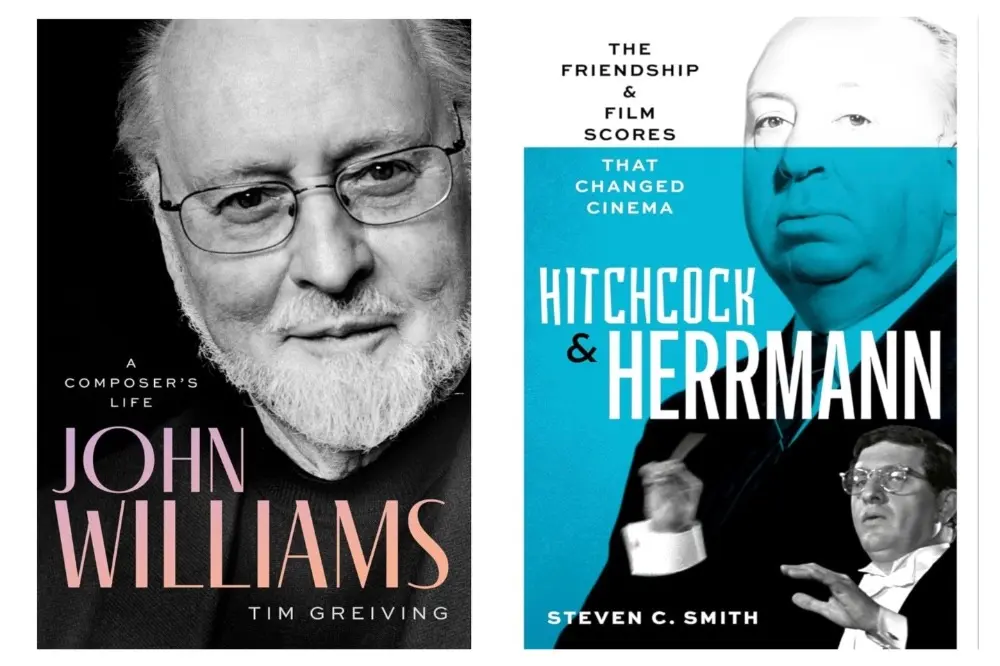
The field of film music biography saw significant recognition this year, with two major works receiving top honors. Tim Greiving’s John Williams: A Composer’s Life was awarded the Deems Taylor/Virgil Thomson Book Award in the field of concert music. As the first comprehensive biography of the most successful living film composer in Hollywood history, Greiving’s work has been lauded for its depth and accessibility. The biography traces the long and storied career of the man behind the iconic scores for Star Wars, Jaws, and Schindler’s List, offering readers an unprecedented look at his creative process and professional trajectory.
In the same category, Steven C. Smith received a Special Recognition Award for his latest work, Hitchcock and Herrmann: The Friendship and Film Scores that Changed Cinema. Smith, a veteran chronicler of the intersection between film and music, pivots in this volume to examine not only the technical brilliance of Bernard Herrmann but also the volatile and transformative creative partnership he shared with director Alfred Hitchcock. Both Greiving’s and Smith’s books have garnered widespread critical acclaim, having previously appeared on Variety’s list of the best music books of 2025.
Exploring the Diversity of Concert and Pop Music
Beyond the silver screen, the awards acknowledged essential contributions to music history and sociology. In the concert music field, Lucy Caplan received an award for Dreaming in Ensemble: How Black Artists Transformed American Opera. Caplan’s book provides a rigorous account of Black innovation during the Harlem Renaissance, arguing that these artists did not merely participate in the opera world but fundamentally redefined its American expression.
The pop music category honored two authors for their scholarly yet accessible explorations of American musical culture. Gayle Wald was recognized for This Is Rhythm: Ella Jenkins, Children’s Music, and the Long Civil Rights Movement. The book chronicles the life of Ella Jenkins, often heralded as the "first lady of children’s music," and examines how her work intersected with the broader social and political currents of the mid-20th century. Joining her in this category is James O’Leary, who won for The Middlebrow Musical: Between Broadway and Opera in 1940s America. O’Leary’s research provides a fascinating look at the mid-century era, analyzing how landmark musicals such as Oklahoma!, Beggar’s Holiday, and Street Scene bridged the gap between popular theater and operatic ambition, ultimately expanding the thematic boundaries of the American stage.
Journalism and Criticism: Preserving the Musical Record
The ASCAP judges also shone a light on the crucial role of music journalism in both the digital and print spheres. Ben Sisario, writing for The New York Times, received an award in the pop music category for his article, "The ‘Race Against Time’ to Save Music Legends’ Decaying Tapes." The piece highlights the ongoing, high-stakes efforts to restore and digitize fragile analog master tapes containing original recordings from legendary artists like Bruce Springsteen and Bob Dylan. By detailing the technical challenges and the cultural urgency of preservation, Sisario’s work underscores the fragility of our collective musical heritage.
In the concert music field, Esteban Meneses was honored for his Symphony Magazine feature, "Revolución: Mexican Composers on the Rise." Meneses’s work provides a timely look at a new generation of Mexican composers who are currently seeing their works commissioned, performed, and recorded by world-class orchestras, signaling a significant shift in the global classical landscape. Additionally, a Special Recognition Award was given to Max Keller for his New York Times article, "Does It Matter How A Cello Is Held? It’s a Centuries-Old Debate," which delves into the technical and historical nuances of cello performance.
The Virgil Thomson Award for Outstanding Music Criticism was presented to Gabriel Kahane for his evocative piece, "A Love Letter to Music Listings," published in The Atlantic. Kahane’s writing is noted for its lyrical quality and its ability to find profound meaning in the often-overlooked infrastructure of musical performance.
Broadcast, Digital Media, and Liner Notes
The landscape of music broadcasting and media has evolved significantly, and this year’s winners reflect that shift. The top broadcast award went to Gail Wein for her podcast series Classical Gas, produced by Classical Voice North America. The series features a thoughtful collection of interviews with prominent classical musicians, providing listeners with intimate insights into the lives and philosophies of those who shape the genre.
Rick Beato, a ubiquitous figure in online music education, received a Special Recognition Award for his popular YouTube series, Everything Music. Beato’s channel has become a vital hub for discussions surrounding music theory, production technology, and the systemic challenges facing contemporary music creators, bridging the gap between academic theory and popular consumption.
The documentary Swamp Dogg Gets His Pool Painted, directed by Isaac Gale, Ryan Olson, and David McMurry, was awarded the Broadcast/Media Award in the pop music field. The 2025 film offers an eccentric and deeply humanistic look at the life of cult R&B legend Jerry "Swamp Dogg" Williams, focusing on the creative atmosphere of his Los Angeles home.
Finally, the ASCAP Foundation Paul Williams "Loved the Liner Notes" Award was bestowed upon percussionist Ruth Komanoff Underwood. Her personal essay, featured in the box set for the 1974 Frank Zappa and the Mothers of Invention concert film Cheaper than Cheep, provides a rare and intimate perspective on one of the most creatively prolific periods in Zappa’s career. By honoring Underwood, the committee recognizes the importance of liner notes not merely as archival information, but as essential narrative companions that deepen the listener’s connection to the music.
Through these awards, The ASCAP Foundation continues to champion the writers, broadcasters, and storytellers who dedicate themselves to documenting the complexities of music. By highlighting these diverse works, the foundation ensures that the history of music, from the concert hall to the recording studio and the broadcast booth, remains vibrant and rigorously examined for future generations.