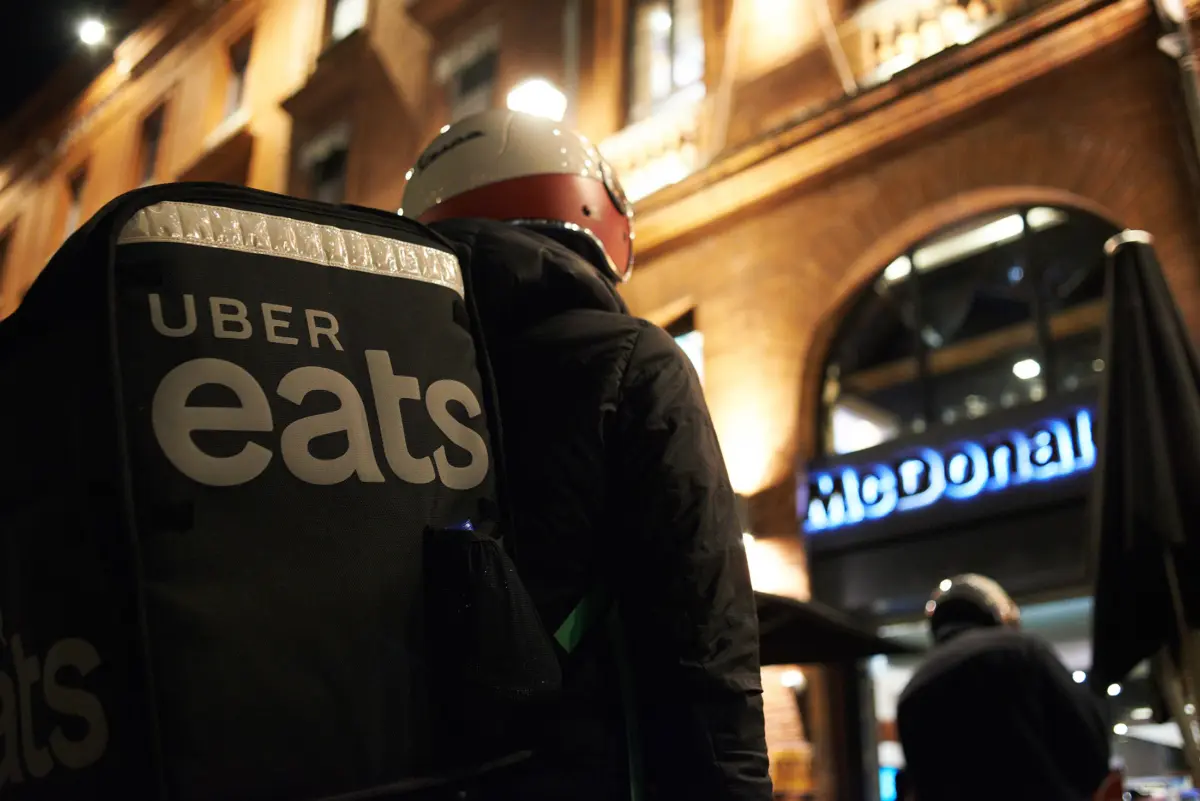
In a significant realignment of the fast-food delivery landscape, McDonald’s has officially designated Uber as its "preferred delivery partner" for orders placed directly through the McDonald’s mobile application. This strategic move, which spans 14 key markets including the United States, the United Kingdom, Canada, and France, marks a definitive pivot for the Golden Arches. For years, the fast-food giant maintained a balanced approach, splitting its in-app delivery volume between Uber and its primary competitor, DoorDash. By consolidating its preferred status with Uber, McDonald’s is signaling a shift toward a more streamlined, centralized delivery ecosystem.
For the average consumer, the transition will largely occur behind the scenes, though its implications for the broader gig economy and the competitive landscape of food delivery are profound. When a customer opens the McDonald’s app to place an order for delivery, the logistical heavy lifting will now predominantly fall to Uber’s network of drivers. This change does not, however, mean the complete removal of DoorDash from the McDonald’s ecosystem. The restaurant chain will continue to maintain a presence on both the Uber Eats and DoorDash platforms, ensuring that customers who prefer using those specific third-party marketplaces can still access their favorite menu items.
The partnership goes beyond simple logistics; it integrates the two companies’ loyalty and rewards infrastructures. As part of the new deal, Uber has become the exclusive delivery and rideshare rewards partner for the restaurant chain. This means that members of the "MyMcDonald’s Rewards" program may find new opportunities to leverage their points, including potential discounts on Uber rides, deepening the symbiotic relationship between the two corporate giants.
Andrew Macdonald, Uber’s president and COO, characterized the development as a milestone in the company’s history. "This marks our broadest expansion with McDonald’s to date," Macdonald stated, highlighting the scale at which the two companies are now coordinating their operations.
The timing of this announcement is far from coincidental. It arrives amidst a fierce, high-stakes battle for dominance in the food delivery sector, a market that has matured rapidly since the pandemic-era surge in demand. For Uber, this deal is a vital tactical maneuver in its ongoing effort to close the gap with DoorDash. According to data provided by Consumer Edge, DoorDash currently maintains a commanding lead, controlling approximately 59% of delivery-app spending. By securing this "preferred partner" status with a global titan like McDonald’s, Uber gains access to more than 45 million loyalty members in the United States alone, providing a massive influx of potential order volume and user data.
The delivery industry has been defined by rapid consolidation and aggressive diversification in recent months. DoorDash, seeking to solidify its market dominance, announced its intention to acquire Instacart in late October—a move that would drastically expand its reach into the grocery delivery sector and create a comprehensive "super app" for local commerce. Uber, refusing to remain stagnant in the face of such competition, countered earlier this month by unveiling a strategic delivery partnership with Amazon Prime. This series of rapid-fire corporate maneuvers underscores the pressure on these platforms to capture consumer attention and loyalty in a landscape where customer habits are becoming increasingly entrenched.
The rivalry between Uber and DoorDash has transitioned from a race for geographic coverage to a sophisticated battle for "share of wallet." Both companies are now pivoting toward ecosystem-based growth. For McDonald’s, the decision to elevate Uber to preferred status suggests a desire for greater operational efficiency and a more cohesive customer experience within its own digital properties. By focusing on a primary delivery partner for in-app orders, McDonald’s can likely exert more control over the delivery process, service standards, and the integration of loyalty rewards.
Industry analysts note that for a company of McDonald’s scale, the complexity of managing multiple logistics partners can lead to fragmented data and inconsistent service quality. By narrowing its focus to one preferred partner for its own app, the restaurant chain is arguably attempting to standardize the delivery experience for millions of customers. The move also highlights the leverage that large-scale restaurant chains now hold over delivery platforms. As delivery apps fight for exclusive rights and larger market shares, the retailers that provide the actual goods are increasingly able to dictate the terms of engagement.
The broader implications for the gig economy are equally significant. For the thousands of drivers who utilize these apps, the shift in volume toward Uber could mean more consistent work opportunities associated with McDonald’s, provided the integration continues to scale effectively. However, it also raises questions about the long-term sustainability of the current delivery models, which are under constant pressure to move toward profitability while maintaining low prices for consumers and fair compensation for couriers.
As the holiday season approaches and consumer spending patterns fluctuate, the success of this partnership will be closely watched by investors and competitors alike. The deal is not just a logistical arrangement; it is a manifestation of the current "platform war," where the winner is determined by which company can successfully integrate itself into the daily routines of the largest number of consumers.
Whether this consolidation will result in faster delivery times or more seamless reward redemptions remains to be seen. What is clear, however, is that the delivery sector is entering a new phase. The days of disparate, loosely affiliated partnerships are being replaced by deep, strategic alliances designed to create "sticky" platforms that consumers are unlikely to leave. For now, the millions of McDonald’s customers who rely on the mobile app for their delivery needs will see the results of this high-level corporate chess game the next time they order a McFlurry or a Big Mac. The infrastructure behind their meal is shifting, and with it, the balance of power in the multibillion-dollar food delivery industry.