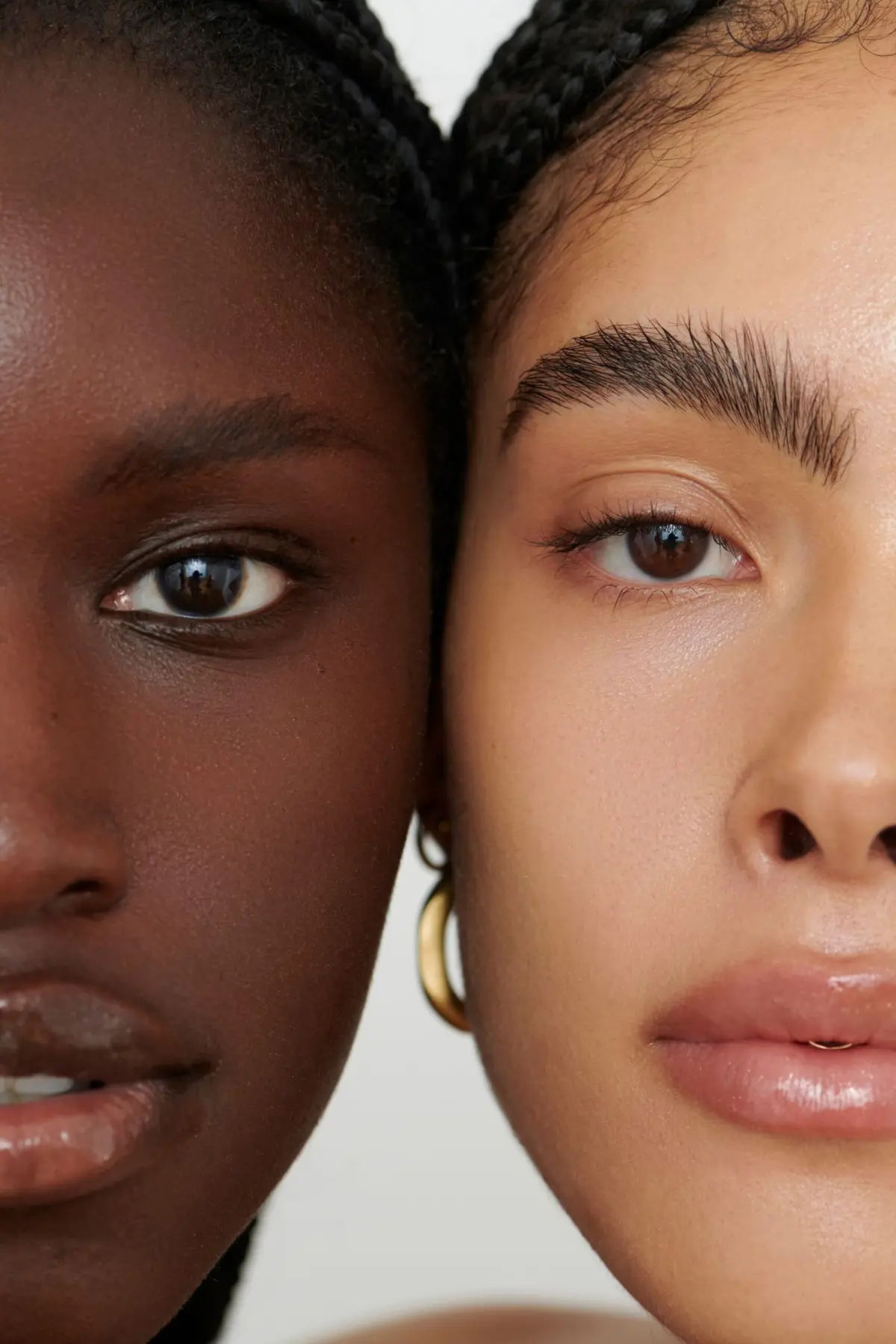
For anyone who has ever stared into a mirror, frustrated by a newly purchased foundation that inexplicably makes the skin look aggressively orange or ghostly gray, the culprit is rarely the quality of the product itself. Instead, the persistent challenge of matching complexion cosmetics usually boils down to a single, often misunderstood metric: the skin undertone. While surface skin tones can easily shift due to sun exposure, environmental factors, natural tanning, hyperpigmentation, or mild redness, the underlying hue beneath the skin’s surface remains remarkably consistent over time.
Mastering this distinction is what separates a seamless, natural makeup application from a mismatched finish. To demystify the process, industry-leading beauty professionals are offering an inside look at how to accurately determine undertones, explaining why surface changes happen, and detailing how these hidden hues dictate the performance of everything from foundation and concealer to blush, lipstick, highlighter, and eyeshadow.
What Are Skin Undertones?
To understand why makeup products sometimes interact unpredictably with the complexion, experts emphasize the fundamental difference between surface skin tone and underlying color. Surface color is typically categorized across a spectrum ranging from fair and light to medium, tan, deep, and dark. However, this outer layer is dynamic and prone to shifting.
Celebrity makeup artist and Tatcha global director of artistry and education Daniel Martin notes that the undertone is essentially what dictates how a specific cosmetic shade will ultimately register on an individual. Echoing this perspective, J. Brandon Correa, a celebrity and YSL Beauty national makeup artist, explains that undertones influence whether a complexion reads as warm, cool, neutral, or olive, regardless of how surface colors fluctuate.
Crucially, undertones are completely independent of skin depth. People situated at any point along the depth spectrum—whether fair, medium, tan, or very deep—can possess warm, cool, neutral, or olive undertones. Correa also points out that human skin is remarkably nuanced, meaning individuals do not always fit neatly into rigid categories.
Despite this spectrum of complexity, professional makeup artistry generally organizes undertones into four primary classifications. Cool undertones carry subtle hints of pink, red, and rosy characteristics beneath the surface, occasionally leaning toward blue. Warm undertones are characterized by yellow, peach, or golden qualities, and can sometimes exhibit an orange cast beneath the surface layers. Neutral undertones feature a balanced combination of warm and cool characteristics, meaning the skin does not pull strongly in either direction, avoiding a distinctly pink or golden appearance. Finally, olive undertones present a subtle green, gray-green, or yellow-green cast that can manifest across any skin depth. Because olive complexions can simultaneously lean slightly warmer or cooler, Correa notes that they can occasionally prove particularly intricate to shade match.
How to Determine Your Skin Undertone
Determining a personal undertone often requires looking past the obvious surface color to observe the subtle hues underneath. Professionals rely on several practical diagnostic methods to uncover these hidden characteristics, starting with simple household assessments.
Martin frequently turns to the classic jewelry test as a primary method of identification. By holding gold and silver jewelry up to the skin, individuals can observe which metal flatters the complexion more naturally. If silver appears more harmonious, the undertone is likely cool. If gold provides a more vibrant and flattering look, the skin likely possesses a warm undertone. When both metals work equally well, the skin is typically neutral. Furthermore, if alternative metals such as rose gold, antique gold, or mixed metals yield the most flattering appearance, the complexion may lean toward an olive or neutral classification.
Correa suggests examining specific areas of the body where the skin naturally gathers, folds, or connects, such as the crooks of the elbows, the neck, the jawline, and the points where the ears attach to the head. By closely observing these zones in natural daylight, one can look for the subtle cast beneath the skin rather than the prominent surface color. Comparing these areas with known warm, cool, or neutral fabrics, clothing, or existing makeup shades can provide additional clarity. Another popular diagnostic approach involves photographing the face in natural daylight against a neutral background without filters to observe how the complexion compares to its surroundings.
Can Your Undertone Change?
A common point of confusion among beauty consumers is whether skin undertones can shift over time. Generally speaking, an individual’s undertone remains permanent throughout their life. However, what frequently changes is how the skin appears on the surface.
Environmental and biological factors—including redness, rosacea, inflammation, hyperpigmentation, melasma, acne marks, and hormonal fluctuations—can significantly alter surface appearances. For instance, Martin points out that an individual with a warm undertone who is currently experiencing facial redness might find that their skin temporarily reads much cooler or pinker.
This surface volatility explains why many people require a different foundation shade during different seasons even though their actual underlying color has not fundamentally shifted. Separating transient surface reactions from the consistent color residing beneath the skin is considered a crucial step in achieving consistent cosmetic results.
How to Find the Right Beauty Products for Your Undertone
While beauty enthusiasts are ultimately encouraged to wear whatever colors bring them joy regardless of traditional rules, understanding undertones provides a reliable foundation for selecting harmonious products.
Foundation is widely regarded as the product where undertone accuracy matters most, as it must simultaneously match both skin depth and underlying hue. Martin advises that cool undertones seek out foundations with pink, rosy, or red bases, while warm undertones look for yellow, golden, peach, or honey formulations. Neutral skin types benefit from balanced beige bases, and olive complexions require olive, golden olive, or muted golden shades. When testing, Martin recommends swatching along the center of the face, specifically across the nose and cheek area, and checking the result in natural daylight to ensure the product disappears seamlessly into the neck without reading orange, pink, or gray.
Concealer selection depends heavily on the intended outcome. If the goal is a seamless complexion match, staying close to the natural undertone is essential, whereas color correction requires an opposing tone to neutralize discoloration. For general concealment and under-eye matching, the same principles applied to foundation generally hold true.
When exploring color cosmetics like blush and lipstick, undertones help predict which shades will feel harmonious. Correa recommends peach, coral, and warmer red blushes for warm undertones, while cool undertones benefit from berries, plums, and blue-based reds. Neutral complexions enjoy high flexibility, moving fluidly between warm and cool options, while olive skin tones pair exceptionally well with earthy tones, bronzed hues, and subtle reds. For lip products, Martin notes that choosing a nude shade that makes the lips appear gray or chalky is a clear indicator of an incorrect undertone match.
Highlighters and bronzers follow a similar logic. Cool complexions look best with pearly, icy champagne, or soft pink highlighters paired with neutral-to-cool bronzers. Warm undertones harmonize with gold, champagne, bronze, and warm caramel shades. Neutral and olive skin types can successfully wear champagne, soft gold, and bronze, though Martin cautions those with olive complexions to steer clear of anything overly pink, icy, or orange.
Eyeshadow offers considerable flexibility, serving as a canvas where personal preference often overrides traditional matching rules. However, aligning shadow choices with undertones remains a dependable starting point. Cool undertones excel in silver, gray, mauve, cool brown, and taupe; warm undertones thrive with gold, copper, peach, and terracotta; neutral skin provides an ideal base for champagne, rose, and soft brown; and olive complexions shine alongside olive green, copper, and muted plum. Ultimately, experts emphasize that these guidelines exist to assist rather than restrict, noting that the most compelling beauty choices occasionally come from intentionally pushing against conventional boundaries.