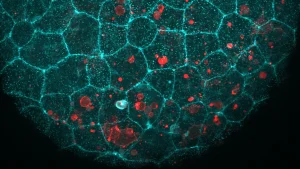
In a significant breakthrough for oncology, researchers at the University of California, San Francisco (UCSF) have identified a molecular "switch" that determines how pancreatic cancer cells metastasize to different organs. The study, published May 21 in the journal Nature, highlights the role of a protein called PCSK9 in enabling cancer cells to adapt to the vastly different biological environments of the lungs and the liver. This discovery offers a new perspective on why pancreatic cancer is so notoriously difficult to treat and suggests a potential pathway for developing novel therapies to halt the spread of the disease.
Pancreatic cancer is frequently characterized by its aggressive nature and its tendency to remain asymptomatic until it has already spread—or metastasized—to other vital organs. By the time a patient presents with clinical symptoms, the cancer has often moved beyond the reach of surgical intervention. The primary challenge for oncologists has been understanding the biological mechanisms that allow these cells to survive and thrive in new, often hostile, environments.
The UCSF research team compared the environments of the liver and the lungs to the stark contrast between the ocean and the desert. For a cancer cell, moving from the primary tumor site to a secondary organ requires a profound transformation in how it processes energy and manages metabolic stress. The study sought to decode the cellular "instruction manual" that dictates these preferences, providing a clear map of how tumor cells navigate the body to colonize specific tissues.
To unravel this complex process, the researchers utilized data from MetMap, a comprehensive project curated by the Broad Institute of MIT and Harvard. MetMap provides researchers with a detailed atlas of cancer cell lines, categorized by their specific tendencies to colonize different organs. By cross-referencing this data with genomic profiles, the UCSF team looked for molecular disparities that could explain why certain cells gravitate toward the liver while others preferentially settle in the lungs.
The analysis pinpointed PCSK9, a protein well-known in cardiology for its role in regulating cholesterol levels in the blood, as a critical regulator of cancer cell metabolism. The study revealed that PCSK9 acts as a metabolic gatekeeper, controlling how cancer cells acquire the cholesterol they need to build cell membranes and sustain rapid growth.
The findings demonstrate that the level of PCSK9 expression dictates the cell’s survival strategy. When PCSK9 levels are low, pancreatic cancer cells are forced to scavenge for cholesterol from their immediate environment. This is a highly efficient strategy in the liver, where cholesterol is abundant, allowing these specific cancer cells to thrive in the hepatic environment. Conversely, when PCSK9 levels are high, the cells shift their metabolic profile to produce their own cholesterol internally. This high-PCSK9 state also triggers the production of specialized molecules that protect the cells from oxidative damage—a critical adaptation that allows them to survive the unique, oxygen-rich environment of the lungs.
To validate their hypothesis, the research team conducted an elegant experiment: they took pancreatic cancer cells that were genetically programmed to target the liver and forced them to express high levels of PCSK9. The result was a dramatic redirection of the cancer’s path. By artificially manipulating the PCSK9 levels, the researchers caused the cells to abandon their typical hepatic colonization and instead move to the lungs. This effectively proved that the protein functions as a compass, guiding the metastatic cells toward the environment best suited for their specific metabolic configuration.
The implications of this discovery are substantial for the future of cancer treatment. Pancreatic cancer remains one of the most lethal malignancies, largely because it is resistant to many conventional therapies, including chemotherapy and immunotherapy. By understanding the metabolic dependency created by PCSK9, researchers may be able to develop targeted therapies that interfere with this protein’s function. If scientists can inhibit or manipulate how these cells acquire cholesterol, they might be able to prevent them from adapting to new organ sites, effectively "trapping" the cancer and preventing the development of metastatic disease.
"Cancers persist by adapting to live in new tissues and organs, and we found that pancreatic tumors use PCSK9 to adapt as they spread," said Rushika Perera, PhD, the Deborah Cowan Endowed Associate Professor of Anatomy at UCSF and the senior author of the study. Dr. Perera noted that this research shifts the focus from traditional genetic mutations to the metabolic plasticity of cancer cells, opening a new door to fighting metastatic growth by manipulating the very mechanisms cells use to fuel their migration and survival.
The research was supported by a coalition of prestigious institutions, including the National Institutes of Health (NIH), the National Science Foundation (NSF), and the American Association for Cancer Research. The funding underscores the high priority placed on deciphering the mechanics of metastasis, which remains the leading cause of death for patients diagnosed with pancreatic cancer.
As the medical community continues to analyze the findings from the UCSF study, the focus will likely turn toward clinical applications. Developing inhibitors that can effectively modulate PCSK9 activity in the context of cancer without causing systemic metabolic issues will be the next major hurdle. However, the identification of this protein as a primary driver of organ-specific metastasis provides a concrete target that was previously unrecognized.
By framing metastasis as a process of metabolic adaptation, the study provides a clearer picture of the tumor’s lifecycle. It suggests that if clinicians can map the metabolic requirements of a patient’s specific tumor, they might eventually be able to predict where the cancer is likely to spread and preemptively disrupt that process.
This breakthrough represents a bridge between basic cellular biology and clinical oncology. While much work remains to be done before these findings can be translated into human clinical trials, the study provides a crucial foundation for a new class of treatments. By stripping cancer cells of their ability to "choose" their environment, researchers hope to turn the tide against one of the most aggressive diseases in modern medicine. The discovery not only clarifies the complex behavior of pancreatic cancer cells but also reaffirms the power of large-scale genomic data sets, like those provided by the Broad Institute, to solve long-standing mysteries in human health.
As the scientific community moves forward, the focus will remain on the interplay between nutrient availability and cellular survival. The success of the UCSF team in identifying PCSK9 as a mediator of this interplay serves as a reminder that cancer is not merely a collection of uncontrolled cells, but a sophisticated, adaptive system that exploits the body’s own metabolic pathways to ensure its persistence. For patients and families affected by pancreatic cancer, this discovery offers a glimpse into a future where metastatic spread is no longer an inevitable conclusion, but a manageable—and potentially preventable—aspect of the disease.