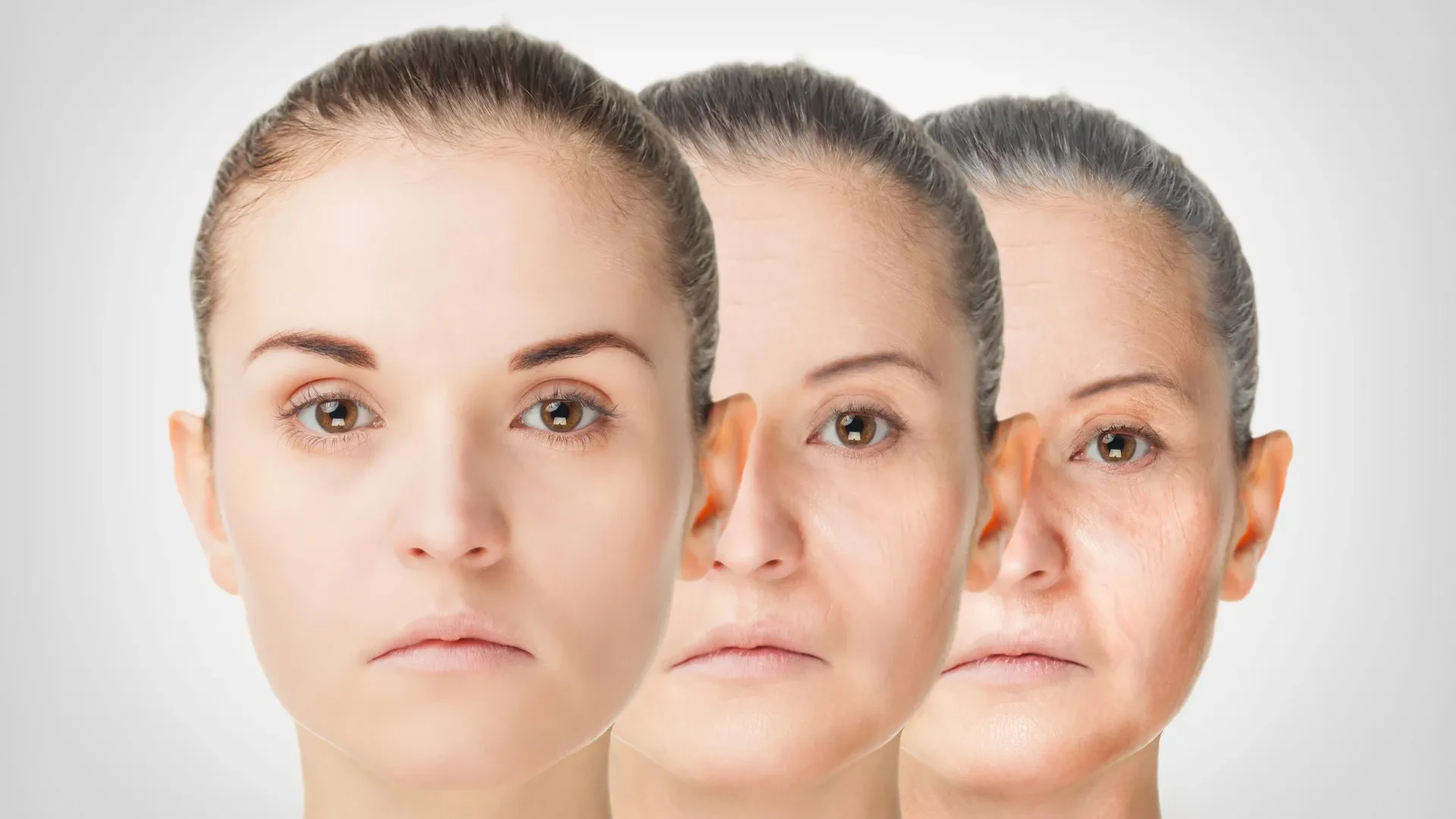
For decades, the concept of aging was viewed as an immutable, linear progression—a biological clock that ticked at a fixed rate, leading inevitably to decline. However, a growing body of scientific research is challenging this deterministic view, suggesting that aging is far more malleable than previously believed. In a significant breakthrough, researchers at the Yale School of Medicine have taken a critical step toward distinguishing between interventions that genuinely influence biological aging and those that remain largely ineffective.
The study, recently published in the journal Nature Medicine, provides a rigorous assessment of various anti-aging strategies. The findings indicate that while certain prescription medications and lifestyle adjustments can demonstrably reduce biological age as measured by sophisticated DNA-based blood tests, many popular over-the-counter supplements currently on the market show little evidence of producing similar results. While this provides a new roadmap for evaluating future therapies, the researchers caution that a change in a biological marker is not a guaranteed proxy for increased longevity or the prevention of age-related diseases.
From Fighting Cancer to Understanding Aging
The path to this discovery began with a shift in perspective for Raghav Sehgal, the lead author of the study. Several years ago, as he entered graduate school at Yale, Sehgal’s academic trajectory was firmly rooted in oncology. With a background in engineering and experience launching a computational biology startup, he was prepared to apply advanced computer science techniques to the fight against cancer.
However, a provocative question from his Ph.D. adviser at the Yale School of Medicine redirected his focus. Rather than dedicating his efforts to the study of individual diseases—such as cardiovascular conditions or specific cancers—he was challenged to investigate the underlying process that drives them all: aging itself.
"That put me on a different path," says Sehgal, who now serves as an associate research scientist in psychiatry with a specialization in computational biology and bioinformatics. "As researchers, we have a long way to go in understanding the aging process and whether the steps we take to manage it really work."
This pivot led Sehgal to dedicate his career to deciphering the biological mechanisms of human aging, exploring how scientists can quantify those changes, and investigating why the aging process elevates the risk for chronic conditions like diabetes, dementia, and cancer. His current work seeks to determine whether interventions might one day be capable of reversing specific aspects of biological aging, even if the prospect of stopping the process entirely remains a distant frontier.
New DNA Tests Reveal Which Anti-Aging Treatments Work
The study was conducted within the laboratory of Albert Higgins-Chen, an assistant professor of psychiatry at the Yale School of Medicine. The research team’s primary objective was to cut through the noise of the anti-aging industry to identify which interventions yield changes that can be measured with scientific reliability.
The analysis, which involved the entire Higgins-Chen laboratory—including contributors Daniel Borrus, Jenel F. Armstrong, John Gonzalez, Jessica Kasamoto, and Yaroslav Markov—found encouraging results for specific pharmaceutical interventions and lifestyle modifications. Conversely, the array of over-the-counter supplements analyzed in the study generally failed to produce meaningful reductions in biological age, suggesting that the public appetite for these products may not be supported by the current epigenetic evidence.
"For the first time, we’ve shown that certain therapies have measurable impacts," Sehgal explains. "This wasn’t previously possible because we didn’t have enough data to say these biomarkers are consistently responsive to these interventions."
Biomarkers serve as essential tools for scientists, providing a window into the internal processes of the body. In the context of aging, they allow researchers to estimate an individual’s biological or functional age, which can often diverge significantly from their chronological age.
How Scientists Measure Biological Age
To assess whether a specific treatment could influence the aging process, the Yale team utilized blood-based measurements known as "epigenetic clocks." These tools are designed to analyze chemical patterns attached to DNA—specifically, methyl groups. These basic chemical structures act as tags that regulate gene expression. Decades of research have established that these chemical patterns shift as people grow older, and scientists have identified that certain interventions may be capable of reversing specific age-associated patterns. Computer algorithms are then employed to analyze these changes and estimate an individual’s biological age.
The research team aggregated findings from 51 clinical studies that explored a vast range of anti-aging strategies, spanning everything from dietary supplements and medical procedures to lifestyle changes and prescription medications. Across these studies, the researchers examined more than 110 DNA methylation biomarkers, including 16 major epigenetic clocks. By contrasting data collected before and after various interventions, they were able to discern which approaches were associated with a tangible reduction in biological age.
"What we did was pretty unique," says Sehgal. "We already know that certain things might prolong health span and lifespan. There is data from retrospective analysis as well as from animal models. We took all that knowledge along with the real-world clinical studies to identify which interventions in humans were slowing down aging across the board in these known biomarkers."
Which Anti-Aging Treatments Showed the Best Results?
The researchers categorized the interventions into four distinct groups: prescription medications, lifestyle modifications, over-the-counter supplements, and medical procedures.
The findings regarding diet and exercise were particularly clear: a combination of regular physical activity and a balanced nutritional plan consistently resulted in a reduction of epigenetic age. The dietary regimens evaluated in the research included Mediterranean, low-fat, and low-carb diets.
The most profound reductions in biological age markers, however, were observed in participants receiving specific pharmaceutical treatments. This included metformin and semaglutide—medications commonly prescribed for the management of body weight and metabolic conditions—as well as anti-TNF therapies. The latter target a specific protein involved in the body’s inflammatory response. Tumor necrosis factor (TNF) is a critical immune-system protein, but its role in chronic inflammation makes it a significant target for researchers looking to mitigate the cellular damage that characterizes aging.
In stark contrast, the over-the-counter supplements included in the review did not produce measurable reductions in epigenetic age. The study also noted that newer iterations of biological age clocks performed with higher accuracy than older models. Furthermore, the researchers discovered that individuals already living with chronic diseases tended to experience more significant changes in their aging biomarkers than healthy participants, suggesting that these treatments may have a more pronounced effect in individuals with higher baseline levels of biological stress.
Could DNA Blood Tests Transform Anti-Aging Research?
Looking ahead, the next priority for the Yale team is to replicate and expand these findings within larger, more diverse populations. This validation process is essential to determine whether these treatments influence biological aging consistently across different demographics and health backgrounds.
The potential for these blood tests to accelerate scientific discovery is immense. Currently, evaluating anti-aging therapies requires clinical trials that can span decades to determine if a treatment effectively extends lifespan. If these epigenetic biomarkers are successfully validated as predictors of long-term health, researchers could potentially evaluate the efficacy of anti-aging interventions in a matter of years or even months.
"If these new biomarkers are eventually validated to predict long-term health, scientists will be able to evaluate anti-aging therapies much faster," Sehgal notes. "Instead of waiting decades for evidence from clinical trials, we’ll be able to see which interventions are effective and in which people in a few years or even months."
While this represents a transformative shift in research methodology, senior author Albert Higgins-Chen cautions that the field must remain prudent in its interpretation of the data. "We have developed a rigorous, systematic approach to evaluating and comparing how biomarkers change across a wide variety of interventions, and that is a critical step in the right direction," he says. "However, the true meaning of that change must be fully understood."
Important Questions About Slowing Aging Remain
Despite the promise of these results, the scientific community is far from declaring victory over aging. Significant questions remain unanswered, particularly regarding causality. Researchers must still determine whether changes in biological age markers are directly caused by a specific treatment or if they are influenced by confounding factors that were not fully captured in the initial clinical data. Additionally, it remains unclear how long these changes persist after a treatment is discontinued and what the precise biological processes are that trigger these shifts.
Most importantly, the research has not yet established a definitive link between lower epigenetic age and improved long-term health outcomes. As Higgins-Chen emphasizes, the ultimate question remains: "What does the change mean for our long-term risk of age-related disease and functional decline?"
To address these lingering uncertainties, further investigations are currently underway. The Higgins-Chen laboratory, which maintains affiliations with Yale’s Department of Pathology, the Computational Biology and Bioinformatics Program, and the Y-Age Yale Center for Research on Aging, is continuing its work to refine these measurements. Ongoing studies led by researchers such as Daniel Borrus, Jenel F. Armstrong, and Grace Zou seek to provide the clarity needed to bridge the gap between laboratory measurements and tangible clinical health.
For now, the Yale study serves as a crucial filter, separating the validated interventions—such as structured diet, exercise, and specific pharmacological treatments—from the broader, often unproven, landscape of anti-aging claims. While the quest to unlock the secrets of human longevity continues, the ability to accurately measure the pace of biological aging provides a more solid foundation for the research that lies ahead.