For many travelers, the modern vacation experience has become synonymous with the sterile precision of high-rise hotels or the cookie-cutter predictability of suburban rentals. Yet, a growing movement in the hospitality sector is looking backward, turning toward the quietude and rugged character of the American countryside. As the pace of daily life accelerates, the appeal of rural living—defined by sprawling landscapes, the rhythms of nature, and a profound disconnection from the relentless hum of the digital world—has never been more potent. Today, travelers are increasingly seeking out a specific type of sanctuary: the converted barn. These structures, once the workhorses of American agriculture, are undergoing a sophisticated transformation, evolving from utilitarian agricultural buildings into highly sought-after vacation rentals that offer a unique blend of historical gravitas and contemporary luxury.
The trend represents more than just a preference for unique architecture; it is a fundamental shift in how people view the concept of a getaway. The goal is to capture the essence of country living without the discomforts of the past. To be clear, these are not the drafty, hay-strewn outbuildings of yesteryear. Modern guests are not looking to sleep next to pitchforks or piles of stored grain. Instead, they are seeking the architectural soul of these buildings—the soaring, vaulted ceilings, the hand-hewn timber beams, and the weathered wood siding—while enjoying the creature comforts of a high-end boutique hotel. Across the United States, from the rolling pastures of New England to the expansive ranches of the West, owners are reclaiming dairy barns, horse stables, haylofts, and even grain silos, breathing new life into structures that once formed the backbone of the American farm.
The appeal of these properties lies in the juxtaposition of old and new. When a developer or a homeowner decides to convert an agricultural building, the challenge—and the reward—lies in preserving the building’s history while making it habitable for a modern traveler. This is an architectural tightrope walk. Too much intervention can strip a barn of its "barn-ness," leaving it looking like any other luxury home. Too little, and it remains a shed. The most successful conversions are those that treat the building’s original flaws as features. A century-old barn door, for example, might be repurposed as a sliding partition between a bedroom and a living space. Original support beams, once intended to bear the weight of heavy machinery or winter harvests, now provide the structural drama for open-concept floor plans that no new build could replicate. The texture of weathered wood—scarred by decades of exposure to the elements—adds a layer of warmth and authenticity that synthetic materials simply cannot mimic.
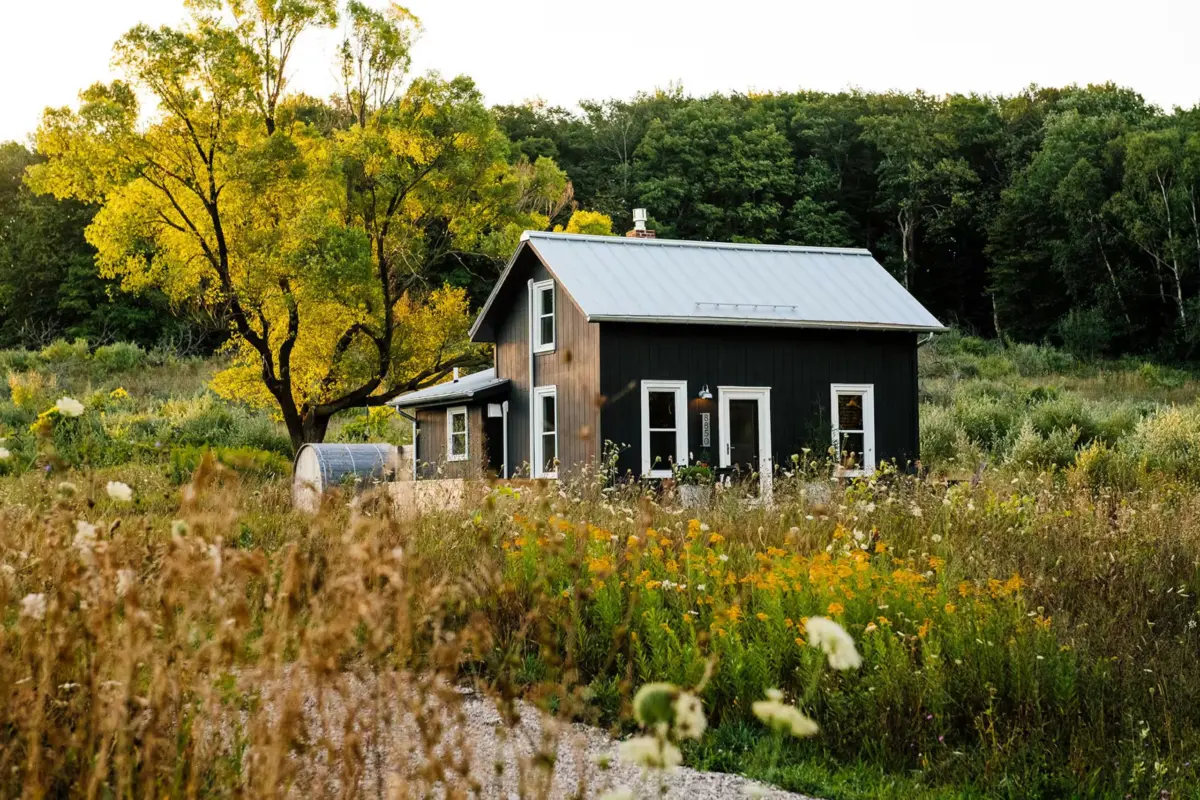
This design philosophy extends far beyond the interior aesthetics. Many of these properties offer a physical proximity to nature that is increasingly rare. In a city, nature is often a manicured park or a distant view; in a barn rental, nature is the context of the stay. Guests might wake up to the sight of mist rising off a morning pasture, or step out onto a deck that overlooks hundreds of acres of protected land. In many cases, these rentals are located on working farms, meaning the experience is not just about the building, but about the ecosystem surrounding it. It is not uncommon for guests to share their morning coffee on a patio while curious goats or horses watch from a nearby fence. This interaction with the living, breathing reality of farm life provides a form of psychological relief that is the antithesis of urban stress.
The diversity of these properties is as varied as the landscapes they inhabit. The market for barn conversions has expanded to include a surprising array of agricultural infrastructure. For those traveling in large groups, sprawling farmhouses and converted dairy barns offer the square footage and communal spaces necessary for multi-generational gatherings. These properties often retain the expansive, open-plan ground floors that were once used for livestock or machinery storage, creating large, airy spaces that are perfect for hosting dinners or gatherings. Conversely, the market also caters to those seeking a more intimate, solitary experience. Small-scale conversions, such as renovated haylofts or individual grain silos, offer a whimsical and highly specialized type of accommodation. These smaller structures often function as romantic hideaways or creative retreats, tucked into corners of property that offer total privacy and a unique, cylindrical architectural experience that is both unconventional and surprisingly stylish.
The rise of the converted barn as a premium vacation option is also a testament to the changing priorities of the American traveler. There is a palpable hunger for "storied" architecture. In an era of disposable design and rapid construction, there is a certain prestige and comfort in staying in a building that has stood for over a hundred years. These barns have witnessed generations of agricultural change, survived harsh winters, and served as the focal point of farm operations for decades. By staying in one, guests feel a connection to a slower, more deliberate way of life. The "hay-day" history of these buildings adds a layer of depth to the travel experience, allowing guests to feel as though they are not just renting a room, but participating in the preservation of a piece of American heritage.
From a design perspective, the trend has encouraged a "design-forward" approach to rural living. It is no longer enough to simply put a bed in a barn. The best conversions feature modern interiors that are carefully tucked behind century-old, restored barn doors. Designers are utilizing local materials, reclaimed timber, and sustainable heating solutions to ensure these spaces are as comfortable in the dead of winter as they are in the heat of summer. The integration of modern amenities—such as high-speed internet, chef-grade kitchens, and spa-like bathrooms—is often handled with a level of subtlety that avoids disrupting the rustic aesthetic. For example, an outdoor soaking tub positioned to overlook a rolling pasture offers a touch of modern indulgence that feels entirely at home in a rugged, rural setting.
This movement also speaks to the broader desire for authentic, place-based travel. Whether the goal is to visit a national park, explore a wine region, or simply escape the digital tether, these barn rentals provide a home base that feels anchored in its location. A barn in the Pacific Northwest will feel fundamentally different from a grain silo in the Midwest or a stable in the South, not just because of the climate, but because the architecture itself is a reflection of local agricultural practices. Guests are increasingly gravitating toward these properties because they offer a sense of place that is unmanufactured. When you stay in a converted structure, you are staying in a space defined by the land it sits on.
As these rentals continue to gain popularity, they are effectively bridging the gap between the nostalgia of the past and the expectations of the future. They offer a compelling case for travelers to move away from the standardized hotel room and toward something with texture, character, and a connection to the wild. It is a trend that celebrates the idea that beauty can be found in the most utilitarian of places, and that the quiet, slow path is perhaps the most luxurious of all. Whether it is a design-forward escape that challenges the norms of residential architecture or a humble, restored hayloft that serves as a quiet sanctuary near a bustling national park, the barn conversion has cemented itself as a vital part of the modern travel landscape. It is a celebration of the American farm, repurposed for a new generation of explorers who are looking for more than just a place to sleep—they are looking for a story.
Ultimately, the enduring success of this trend is rooted in the fundamental human need for respite. In the quiet of a converted barn, far from the noise of traffic and the glare of screens, the stressors of the modern world have a way of fading into the background. The soaring ceilings provide a sense of space and freedom, while the original timber beams serve as a reminder of the craftsmanship and endurance of the past. By blending these elements with the comforts of a contemporary home, these properties offer a rare opportunity to experience the best of both worlds: the raw, unvarnished beauty of the countryside and the sophisticated convenience of a well-appointed vacation rental. As more of these historic structures are saved from obsolescence and reimagined for the modern traveler, they continue to prove that the most memorable stays are often those that honor the history of the land and the quiet dignity of the rural landscape.