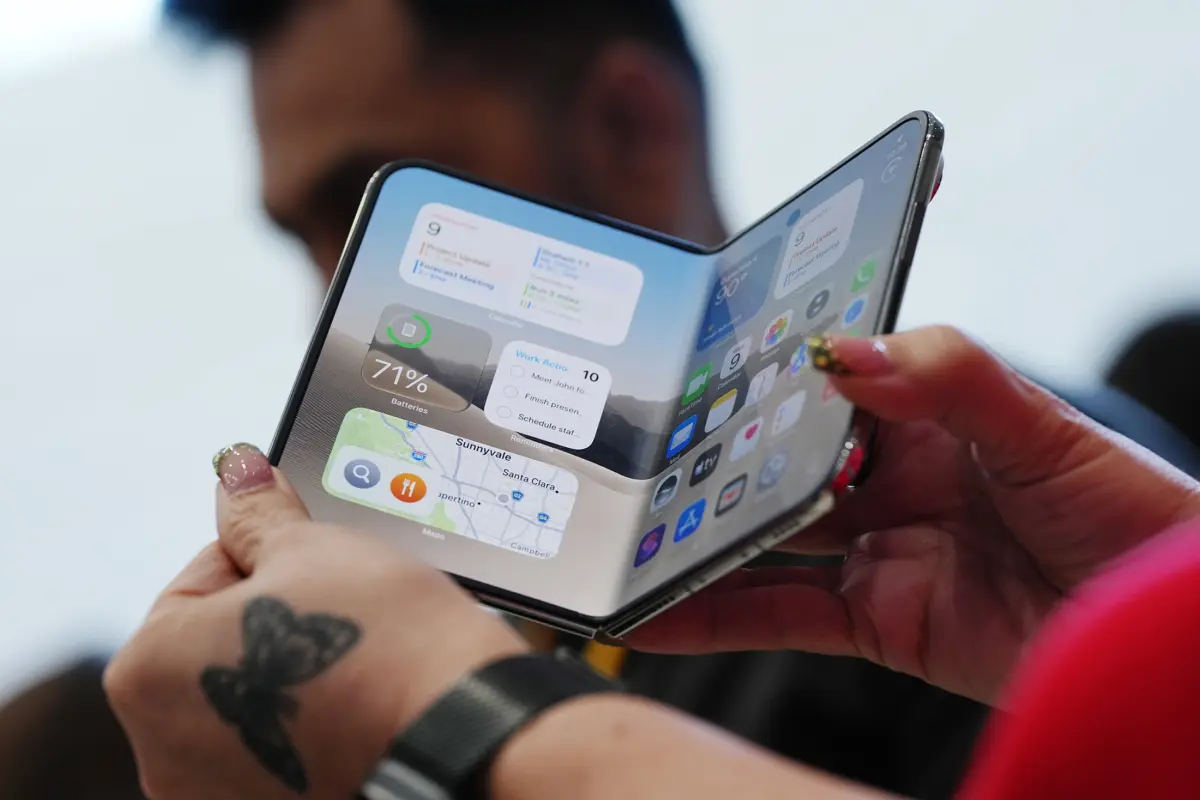
The smartphone industry has entered a new phase of intense public friction as the long-standing rivalry between Samsung and Apple reaches a boiling point. With the official launch of the $1,999 iPhone Duo, Apple has finally entered the foldable market, a category that Samsung has dominated for nearly a decade. However, the reception from the industry leader has been anything but welcoming, as Samsung has launched a scorched-earth social media campaign aimed at positioning Apple as a late-to-the-party imitator rather than an innovator.
Apple CEO John Ternus positioned the arrival of the iPhone Duo as a historic moment for the brand, describing it during the product’s unveiling as “the most transformational change to iPhone since the original.” For Apple, the device represents the culmination of years of internal research and development, designed to offer a seamless experience that differentiates itself from the myriad of folding devices already on the market. But for Samsung, which has spent the better part of seven years refining its foldable technology, the rhetoric from Cupertino has been met with blunt, public dismissal.
The tension began even before the official release, with Samsung utilizing its various platforms to mock the impending arrival of the iPhone Duo. As reported by the Wall Street Journal, Samsung has been relentless in its critique, focusing on the company’s extensive history with the form factor. The initial wave of mockery arrived via a "Welcome to Foldables" video, which showcased the Galaxy Z Fold 8 and pointedly highlighted its engineering, specifically referring to it as “the world’s lightest fold.” This served as a direct challenge to the anticipated weight and hinge mechanics of Apple’s entry.
Once the iPhone Duo was officially revealed, the gloves came off. Samsung’s official social media channels, particularly its mobile account in the United States, began issuing sharp, direct jabs. One post succinctly dismissed the device with the phrase, “So far, so same,” before delivering what many industry observers have called a "knockout blow": "Let us know when you’re done reheating our leftovers."
This aggressive stance is rooted in a significant technological gap. Samsung successfully brought the first mainstream foldable phone to market in 2019, fundamentally changing the landscape for mobile hardware. Since that pioneering release, the company has iterated on the concept roughly 20 times, developing a deep understanding of flexible displays, hinge durability, and software optimization. This portfolio even includes devices that fold twice, demonstrating an experimental drive that Samsung feels Apple has completely bypassed in favor of a more cautious, follower-based approach.
The public debate has quickly expanded beyond the two tech giants, with other brands and online personalities weighing in on the corporate bickering. Notably, the language-learning app Duolingo became an unlikely participant in the conflict. The company’s popular owl mascot took to social media to poke fun at Apple’s naming convention. Because Apple dubbed its new foldable the "Duo," the mascot joked that the tech giant had essentially “named a phone after me and made it bend over,” highlighting the sometimes absurd nature of the discourse surrounding modern product launches.
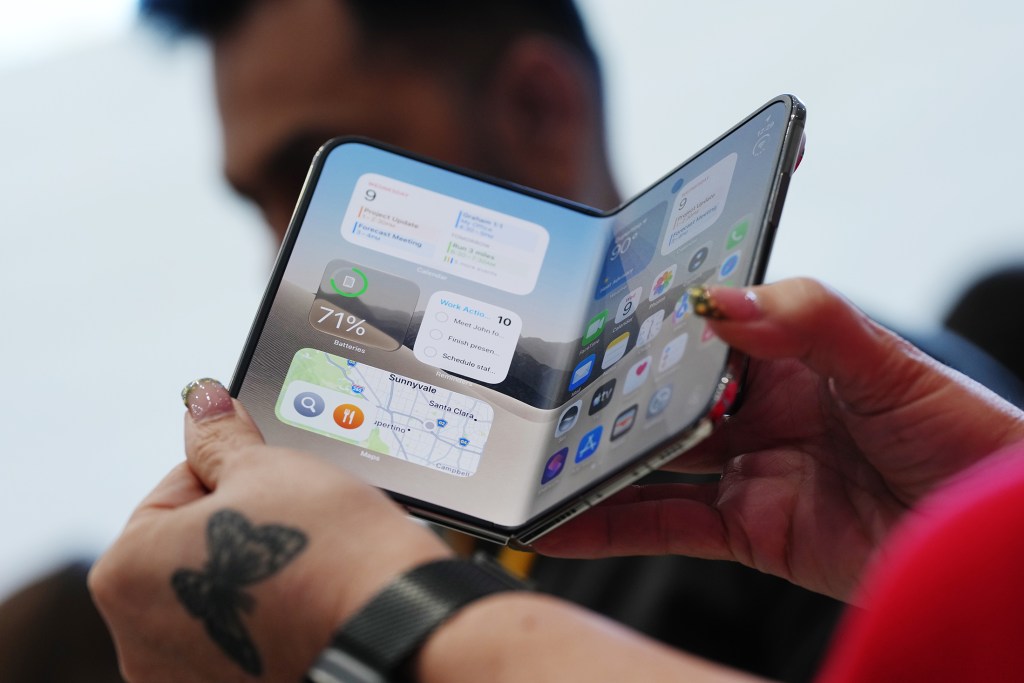
Despite the heavy criticism, Apple is not conceding any ground. The company is betting heavily that its specific implementation of the foldable technology will succeed where others have faced challenges. During the launch event, John Ternus addressed the elephant in the room by subtly critiquing the current state of the foldable market. He remarked that many rival foldable devices currently on the market feel “like two phones awkwardly stuck together,” suggesting that the hinge and screen integration in existing products lacks the polish and cohesion that consumers expect from the Apple ecosystem. By characterizing the iPhone Duo as an “entirely new design,” Apple is attempting to distance itself from the "foldable" label, which some in the industry view as a compromised category of hardware.
For consumers, this public spat highlights a broader philosophical divide in the tech world. Samsung, having spent years as the primary innovator in the foldable space, views its lead as a testament to its engineering prowess and willingness to experiment. Apple, conversely, has historically preferred to wait until a technology is mature enough to be implemented in a way that aligns with its own standards for user experience, aesthetics, and software integration.
The conflict also underscores the high stakes of the $1,999 price point. At that premium, both companies are targeting a niche demographic of power users and tech enthusiasts who demand the absolute best in hardware. Samsung is attempting to leverage its "first-mover" advantage to convince these buyers that their money is best spent on a product with a proven track record of durability and refinement. Apple is attempting to convince the same audience that it has solved the "awkwardness" inherent in the current generation of foldable devices.
As the market begins to digest the arrival of the iPhone Duo, the battle lines are clearly drawn. Samsung remains committed to its strategy of aggressive marketing and rapid iteration, keeping the pressure on Apple to justify its late entry. Meanwhile, Apple is banking on its brand loyalty and the promise of a more "transformational" design to win over users who may have been hesitant to switch to the foldable category in the past.
Whether this rivalry results in a genuine advancement in mobile hardware or simply a cycle of marketing insults remains to be seen. However, one thing is clear: the foldable smartphone market is no longer a quiet corner of the industry. It has become the primary theater for the most significant corporate rivalry in modern tech, and both Samsung and Apple appear prepared to fight for every customer. As the dust settles from the initial launch, the focus will shift from marketing jabs to real-world performance, where the true test of "reheated leftovers" versus "transformational change" will ultimately be decided by the consumers who decide which device to carry in their pockets.