For decades, the restaurant industry operated under a rigid, top-down hierarchy. Culinary teams in test kitchens developed new menu items, focus groups provided feedback, and marketing departments orchestrated carefully timed nationwide rollouts. The brand dictated what the customer ate. Today, that dynamic has been completely inverted. In an era defined by social media influence and digital transparency, major fast-food franchises are no longer just observing customer behavior; they are actively mining it, turning viral "hacks" and user-generated creations into official, permanent menu fixtures.
This shift is not merely a marketing gimmick or a fleeting trend—it is a sophisticated strategic pivot that is driving tangible financial growth. Recent data from Restaurant Business underscores the effectiveness of this approach, noting that when chains validate the creativity of their own patrons, the resulting loyalty and buzz translate directly into improved bottom-line performance.
Consider the recent move by IHOP, which officially brought its Stuffed French Toast out of retirement after a six-year hiatus. The decision to resurrect the fan-favorite was not the result of an internal committee meeting, but rather a direct response to a groundswell of online demand. IHOP executives labeled the dish "the number one requested item on social media," acknowledging that their customers had effectively curated the menu themselves. This responsiveness is paying off: IHOP reported a 1.5% increase in same-store sales during the second quarter, a figure bolstered by the brand’s willingness to lean into digital trends. Earlier this year, the company saw a similar success story with its Dubai Chocolate Pancakes, a product that moved from a social media sensation to a nationwide menu item following a sold-out test run.
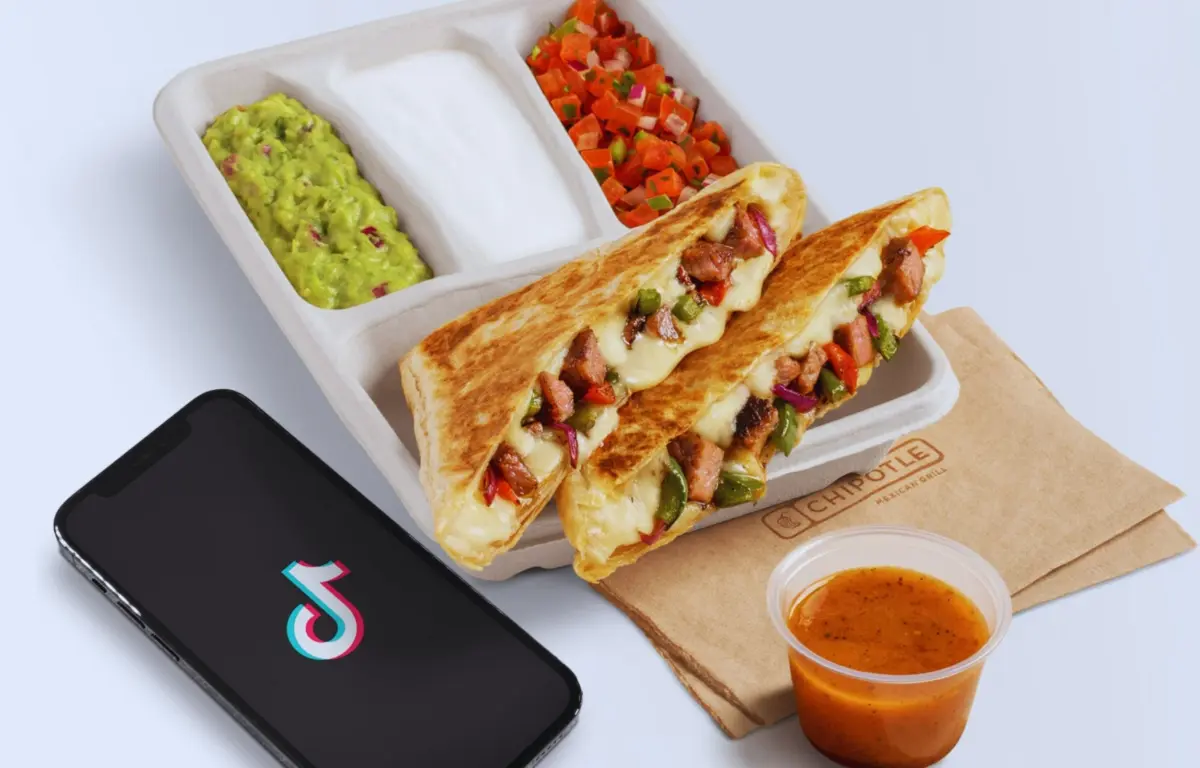
The trend extends well beyond breakfast staples. At Chipotle, the strategy involves observing the physical interaction between the customer and the meal. When the company’s leadership noticed guests habitually crushing bags of tortilla chips over their burrito bowls—adding a layer of crunch and salt that the original recipe lacked—they did not see an anomaly; they saw an opportunity. The result is the brand’s new Chili Lime Chips, a product explicitly born from observing these "hacked" dining habits.
Fernando Machado, Chipotle’s Chief Brand Officer, captured the philosophy behind this evolution during a recent industry discussion. "We saw guests hacking their Chipotle orders with packaged chips and asked, ‘What would this look like done the Chipotle way?’" he explained. By formalizing the hack, Chipotle is essentially validating the customer’s ingenuity, transforming a makeshift meal modification into a premium, branded experience. It is a subtle but powerful way to deepen the relationship between the consumer and the corporation.
Taco Bell has taken this concept to its logical digital conclusion by launching a "Fan Style" menu. This initiative allows loyalty members to move beyond merely choosing items to actively building, naming, and sharing their own custom creations. By providing the tools for personalization, Taco Bell is effectively crowd-sourcing its menu development. This strategy turns the act of ordering into a creative exercise, incentivizing repeat visits and increasing engagement within their digital ecosystem.
This is a stark departure from the fast-food industry of the 20th century, where consistency and uniformity were the primary goals. In the past, the "menu" was a static document, and deviations were often discouraged by corporate guidelines. Today, McDonald’s, long considered the bastion of rigid standardization, has been embracing the "hack" culture since 2022. The chain’s "Land, Air & Sea" combo—a mashup of a Big Mac, a McChicken, and a Filet-O-Fish—was an internet-born creation that the brand ultimately leaned into, legitimizing a combination that customers had been ordering off-menu for years. Similarly, Burger King has utilized its "Whopper by You" platform to allow for high levels of customization, which has been cited as a significant driver in the brand’s recent operational turnaround.
The overarching shift in philosophy was perhaps best articulated by McDonald’s CEO Chris Kempczinski. During a discussion on the brand’s evolving relationship with its massive global audience, Kempczinski noted that the traditional model—where the brand tells the customer what to value—has become obsolete. "It’s no longer what we describe as our brand," he said, reflecting on the modern reality of consumer empowerment. "It’s the customers’ brand."
This transition toward "customer-as-creator" is also a pragmatic response to the fragmented nature of modern attention. In a landscape where TikTok trends can reach millions of people overnight, the lag time between an idea being conceived and being available for purchase is a critical competitive disadvantage. By monitoring social media for emerging trends, restaurants can bypass the costly, months-long R&D cycles that were once standard. When a trend is already "pre-tested" by millions of users who are posting videos and sharing their experiences online, the risk associated with a new product launch is significantly mitigated.
Furthermore, this approach fundamentally changes the nature of customer loyalty. When a restaurant adopts a fan’s hack, that customer becomes an evangelist for the brand. They feel a sense of ownership over the menu, a psychological investment that creates a far stronger bond than traditional advertising ever could. It creates a feedback loop: customers experiment, share their results, the brand validates the best ideas, and the resulting success encourages even more creative experimentation from the user base.
The success of these initiatives suggests that we are entering a new phase of the restaurant industry, one characterized by fluidity and collaboration. While core menu items will always provide the foundation for these businesses, the "specialty" and "limited-time" sections are increasingly being outsourced to the people who eat the food every day. As companies like IHOP, Chipotle, and Taco Bell continue to refine their ability to listen to the digital conversation, the line between the consumer and the creator will likely continue to blur.
Ultimately, the lesson for the industry is clear: the most effective market research is no longer found in data centers or focus group rooms, but in the social media feeds and personalized orders of the everyday diner. For these chains, the future of the menu is not being written in a corporate boardroom, but on the screens of their customers. By ceding a degree of control, these brands are gaining something far more valuable: a menu that is not only relevant but deeply connected to the people they serve. As long as customers continue to seek out new ways to customize their dining experiences, the brands that remain the most attentive to these "hacks" will be the ones that define the next era of fast-food success.