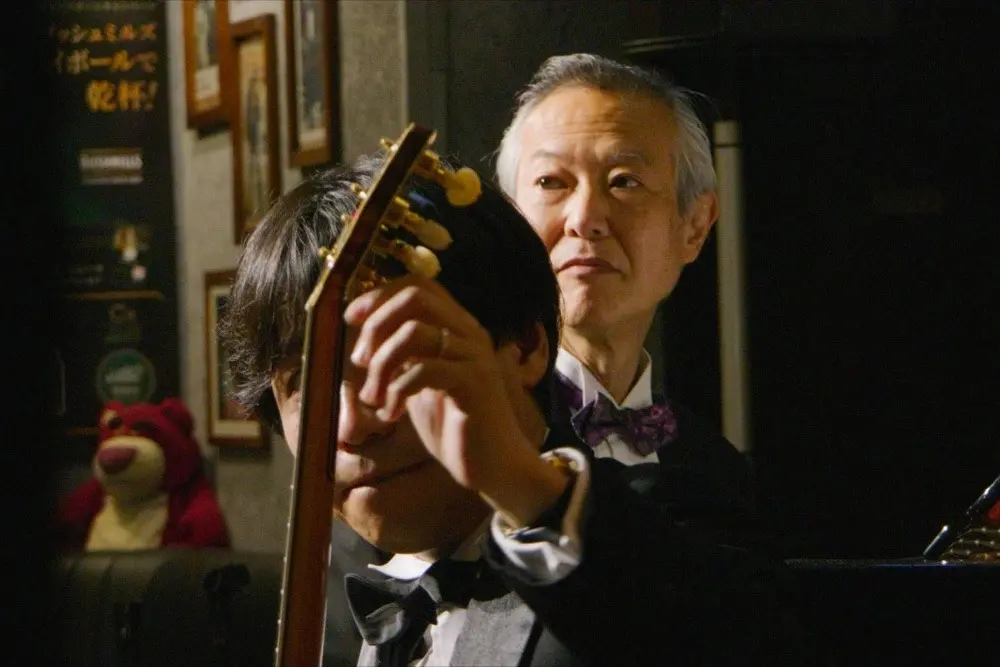
"Tokyo in 33 RPM," an ambitious feature-length documentary project capturing the rhythmic pulse of Japan’s capital, is currently in development. Spearheaded by director Tanmay Srivastava and the U.K.-based Synergy Pictures, the film promises an intimate look at the confluence of tradition and innovation within Tokyo’s vibrant jazz scene. As the project gains momentum, it is set to be presented at the WAVES Film Bazaar, a prominent industry market held in conjunction with the International Film Festival of India (IFFI) in Goa.
The documentary aims to bridge the gap between the historic, reverent atmosphere of Japan’s legendary "jazz kissa"—small, specialized listening cafés centered around high-fidelity vinyl playback—and the energetic, forward-thinking output of Tokyo’s contemporary musicians. By navigating the intersection of these two worlds, the film traces the deep roots jazz has established in Japanese culture while documenting how a new generation of artists is actively reshaping the genre.
At the heart of the project is a desire to capture the paradox of Tokyo: a metropolis characterized by relentless, high-speed evolution, contrasted with the quiet, meditative sanctity of the jazz café. The film moves fluidly between the working musicians currently defining the sound of the city and the dedicated historians and collectors who have meticulously preserved the music’s lineage for decades.
Director Tanmay Srivastava emphasizes that the appeal of the project lies in the tension between these environments. "Tokyo is a city that never really slows down, but you can step into a small room where everyone has come for one reason: to listen," Srivastava said. "Outside those rooms, you meet musicians taking jazz in completely new directions. I wanted this film to bring both worlds together. That’s the Tokyo I found most interesting."
The documentary boasts an impressive lineup of contributors who represent the various facets of this musical subculture. Among those appearing on camera is bassist Hino Kenji, widely known as Jino. His participation is particularly poignant given his family legacy; his father is the legendary trumpeter Hino Terumasa, arguably the most iconic jazz figure in Japanese history. Their inclusion provides a narrative thread that connects the established pioneers of the Japanese jazz scene with its modern practitioners.
Also featured is Lucas Minoru Poulshock, a musician known as Mino. Beyond his own artistic work, Poulshock is an integral part of the city’s musical infrastructure, hosting a dedicated podcast for Apple Music and operating his own listening bar. His dual perspective as both a creator and a facilitator of the listening experience offers the documentary a vital, ground-level viewpoint.
The film also turns its lens toward the custodians of the culture, including historian and record collector Hori Toru. Through his expertise, the documentary delves into the archival side of the scene, highlighting the devotion required to maintain the vinyl collections that serve as the lifeblood of the jazz kissa.
The production team also takes the cameras inside iconic spaces that define the listening experience. This includes a visit to Masako, a historic jazz café in the Shimokitazawa district that is currently being operated by its third generation of owners, symbolizing the generational continuity of the craft. Additionally, the documentary captures the spirit of "No Room for Squares," a venue founded by Nakata Kohei, and features performances by ensembles such as the Gentle Forest Jazz Band and the GCR Orchestra. These sequences are intended to illustrate the technical prowess and collaborative spirit that remain central to the Tokyo jazz experience.
The production of "Tokyo in 33 RPM" has been methodical, with an initial phase of filming in Japan already completed. The team has utilized this footage to assemble a short-form version of the project, and a teaser has been released to provide a glimpse into the documentary’s visual and auditory aesthetic. Looking ahead, the crew is scheduled to return to Tokyo for a final, intensive shooting block between April 1 and April 22, 2027. This final production phase is designed to capture the concluding narrative arcs of the film, with the team targeting a complete edit by June of that year.
The project is a collaborative international effort. Srivastava produces the film alongside Sky Cheema and Jackson McKeever. The executive producer team includes Poulshock, Paul Adrian, and Jade Kurian. On the production side, Synergy Pictures U.K. is working in partnership with Double Drama Productions, with additional support from Jackson McKeever’s Lucky 18 serving as a production partner. Furthermore, the Austin, Texas-based technology firm Latakoo has been brought on as the official production and technology partner, ensuring that the film meets high-quality standards in its capture and post-production workflows.
For the producers, the ultimate goal is to create a work that resonates with global audiences, even those who may not consider themselves jazz aficionados. Sky Cheema believes that the strength of the documentary lies in its human-centric narrative rather than its technical musicology. "Viewers don’t need any background in jazz to connect with the people in the film," Cheema noted. "Some have spent their lives playing the music. Others have built places where people can hear it properly. What matters is how much of themselves they’ve put into it. That’s what we want audiences to come away with."
The team’s focus remains sharply on the upcoming April production dates in Tokyo, which represent the final piece of the puzzle before entering the later stages of post-production. With the project currently gaining visibility at the WAVES Film Bazaar, the production team is laying the groundwork for a potential premiere on the international film festival circuit in 2027. By balancing the history of vinyl culture with the modern, frantic energy of one of the world’s most dynamic cities, "Tokyo in 33 RPM" seeks to offer a definitive portrait of a scene that continues to find new ways to listen and new ways to play. For now, the story of Tokyo’s jazz culture is still being recorded, frame by frame, in the quiet corners and busy studios of the city.