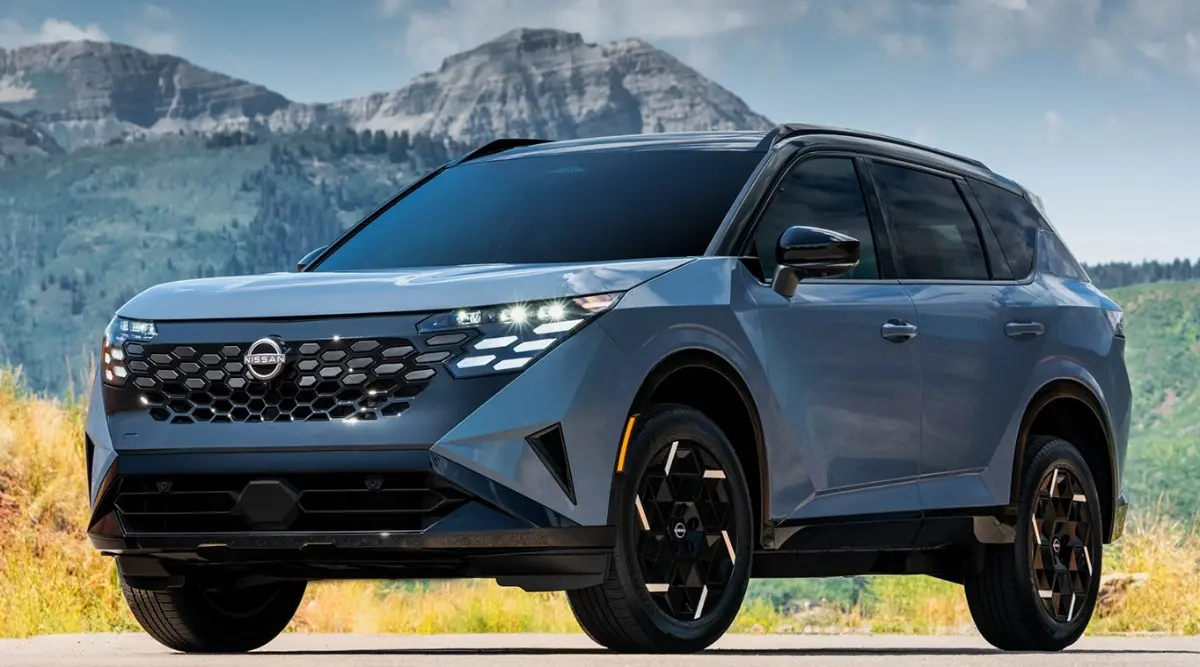
Early reviews from industry authorities like Kelley Blue Book note that the Rogue Hybrid successfully mimics the driving dynamics of an electric car. When drivers press down on the accelerator, the dual-motor setup delivers rapid, seamless torque. To refine the driving experience further, Nissan has introduced a feature known as Smooth Stop. This system automatically adjusts brake pressure during the final moments of deceleration to minimize the abrupt head-toss motion often associated with stopping, creating a more controlled and comfortable environment for passengers.
Additionally, the vehicle incorporates Nissan’s e-Pedal technology, which functions similarly to the regenerative braking systems found in modern electric vehicles. As the driver lifts off the accelerator, the system recaptures kinetic energy, converting it back into electrical current to replenish the onboard battery while simultaneously slowing the vehicle down.
A Self-Charging Electric Car?
Comparisons drawn by automotive reviewers between the Rogue Hybrid and historic plug-in hybrids like the Chevrolet Volt require careful qualification. The Chevy Volt featured an external plug, allowing its 17 kilowatt-hour battery to draw energy from the electrical grid and deliver roughly 50 miles of all-electric range. Many Volt owners frequently reported utilizing minimal gasoline over the course of a year, relying primarily on battery power for daily commutes.
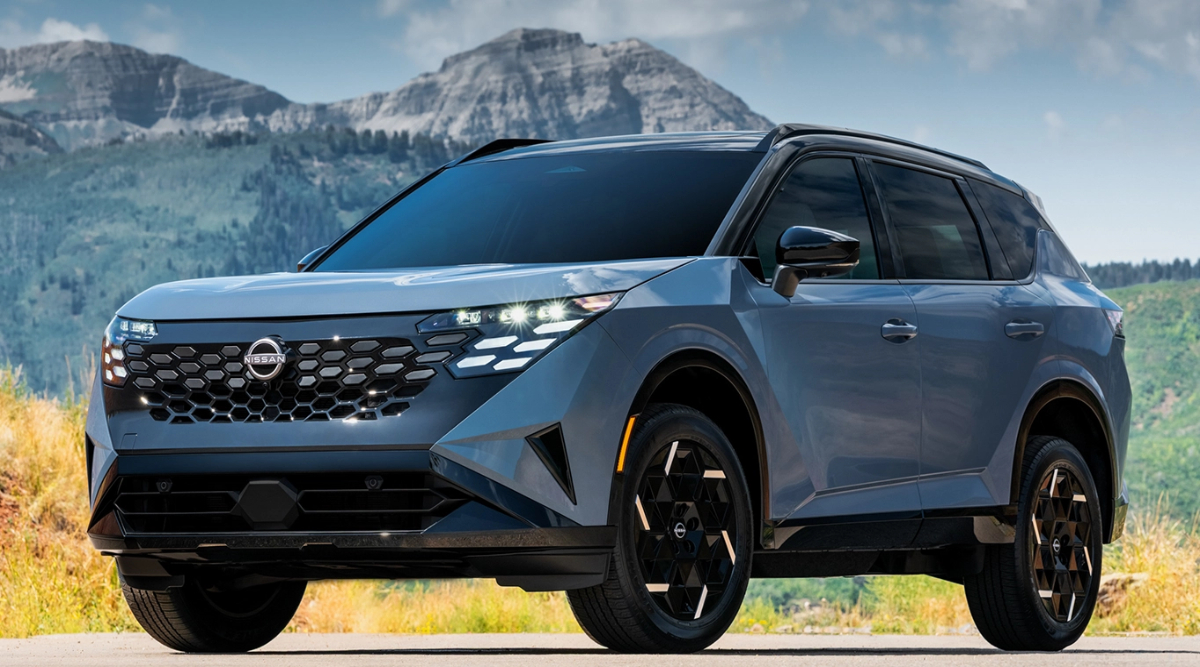
In contrast, the Rogue Hybrid lacks an external charging port. Its sole energy source is a turbocharged 1.5-liter, three-cylinder gasoline engine housed under the hood. Nissan highlights that this specialized engine achieves an impressive 42 percent thermal efficiency. Nevertheless, despite advanced engineering and high-efficiency metrics, the Rogue Hybrid remains a gasoline-burning automobile. Internal testing by Nissan estimates the vehicle will achieve fuel economy ratings of 40 miles per gallon in city driving, 36 miles per gallon on the highway, and 38 miles per gallon combined, though official Environmental Protection Agency figures remain pending.
Industry advocates note a stark efficiency gap between series hybrids and true battery-electric vehicles. A typical all-electric vehicle generally operates at roughly three times the overall energy efficiency of an internal combustion vehicle, translating to equivalent ratings of around 120 miles per gallon equivalent.
The e-POWER Promise
Nissan has spent several years deploying its e-POWER powertrain across international markets, reporting sales exceeding four million units spanning more than 68 countries. However, the debut of the Rogue Hybrid marks the first time North American consumers can purchase a vehicle equipped with this specific technology.
The broader automotive landscape currently sees major manufacturers introducing a wide array of hybrid configurations. This surge has left many consumers navigating a complex landscape of parallel hybrids, series hybrids, plug-in hybrids, and mild hybrids. Critics suggest that marketing terminology reminiscent of older industry campaigns—such as labeling traditional hybrids as self-charging electric cars—risks muddying consumer understanding at a time when buyers actively look for genuine alternatives to high fuel costs.

At its mechanical core, the Rogue Hybrid relies entirely on gasoline to generate its electricity. While e-POWER initially gained traction internationally as a way for Nissan to develop alternative electrified options without infringing on competitor patents, industry observers note that the vehicle’s underlying architecture differs significantly from plug-in alternatives like the discontinued Chevy Volt.
A closer examination of Nissan’s technical specifications reveals a relatively compact energy storage unit. The Rogue Hybrid utilizes a 1.67 kilowatt-hour battery pack to feed power to its dual electric motors. The front motor generates 202 horsepower and 242 pound-feet of torque, while the rear motor contributes 134 horsepower and 144 pound-feet of torque. Nissan states that the vehicle’s control software continuously modulates power distribution between the front and rear axles to maximize stability and traction, even applying subtle brake pressure to inside wheels to sharpen cornering agility. However, the total combined output reaches 225 horsepower rather than the arithmetic sum of the individual motors.
Nissan emphasizes that the gasoline engine turns off automatically once the high-voltage battery reaches a full state of charge. Yet, given that the battery capacity is a fraction of the size found in older plug-in vehicles like the Volt, the engine must cycle on frequently to maintain electrical supply during extended drives.
Customers May Be Confused
While Nissan positions the Rogue Hybrid as a gateway to an electric SUV experience, the reality of a series hybrid involves continuous internal combustion activity behind the scenes. Navigating rising fuel costs prompts many buyers to seek clarity, yet powertrain configurations that blend electric motors with constant gasoline generation can easily blur the lines between true zero-emission driving and traditional fuel consumption. The compact three-cylinder engine naturally operates regularly while the vehicle travels to keep the small battery energized.

Ponz Pandikuthira, chief product and planning officer for Nissan Americas, expresses confidence in the new lineup’s market appeal. In the official company announcement, Pandikuthira noted that the Rogue Hybrid delivers the packaging and functionality expected of the Rogue nameplate while pairing an advanced hybrid system with dynamic driving characteristics. He emphasized that the instantaneous torque delivery and quiet powertrain are designed to redefine consumer expectations for hybrids within this segment.
The cabin is outfitted with the comprehensive suite of digital displays, safety systems, and connectivity features that modern buyers expect from a midsize SUV. Pricing structures vary across trim levels. The entry-level 2027 Nissan Rogue Hybrid SV starts at $37,065, with the SV equipped with the Premium Package priced at $39,165. The sportier SR trim begins at $39,065, while the SR featuring the Tech Package lists for $43,065. At the top of the lineup, the Platinum trim reaches $45,065.
Market rollout for the new model year begins this fall with the release of the Rogue Hybrid SR equipped with the Tech Package, while the remaining trim variations are scheduled to arrive at dealerships in early 2027. Positioned below the modern average transaction price for new vehicles in the United States, the Rogue Hybrid enters a competitive market where individual buyers must weigh its unique engineering approach against traditional hybrids and full battery-electric alternatives.