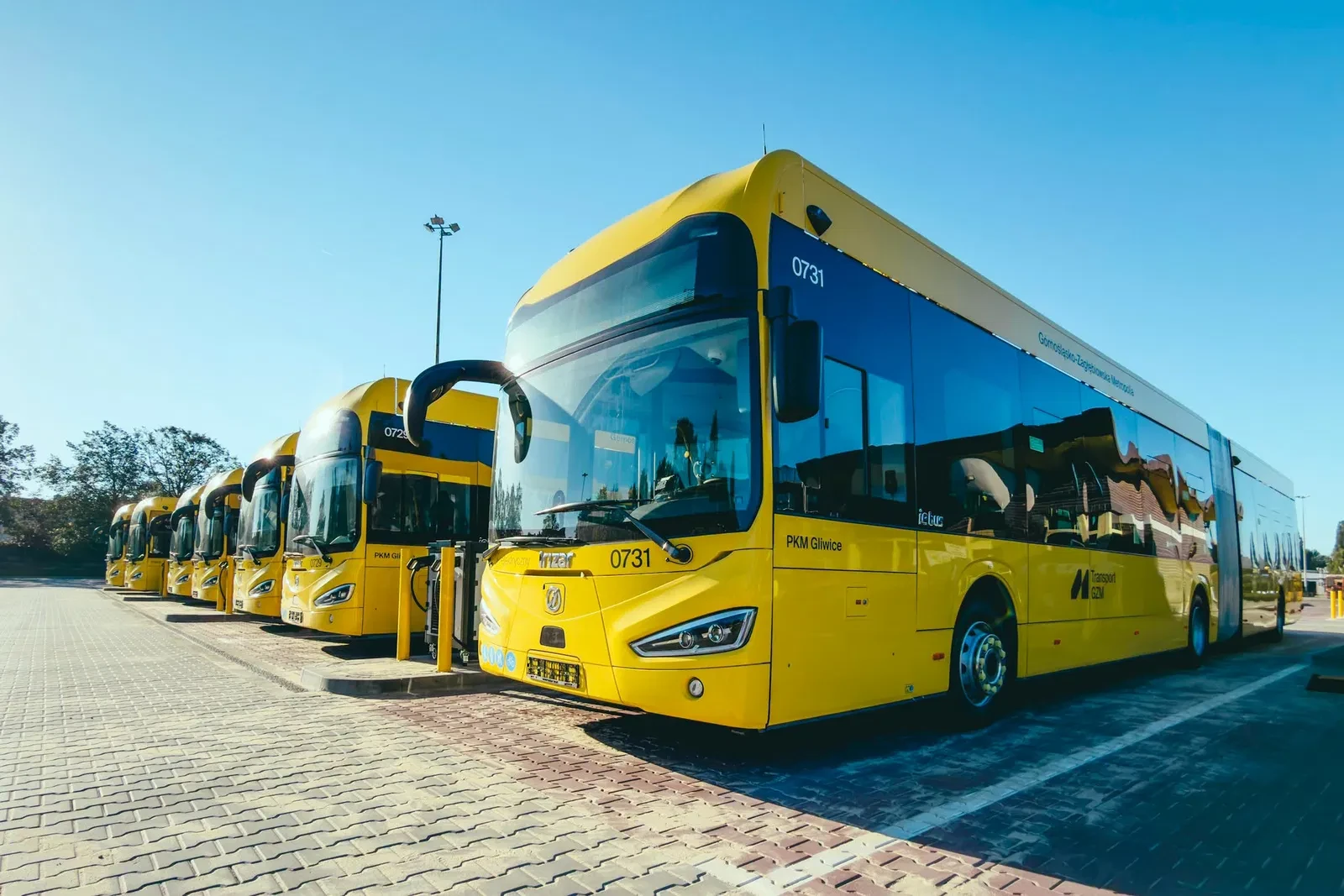
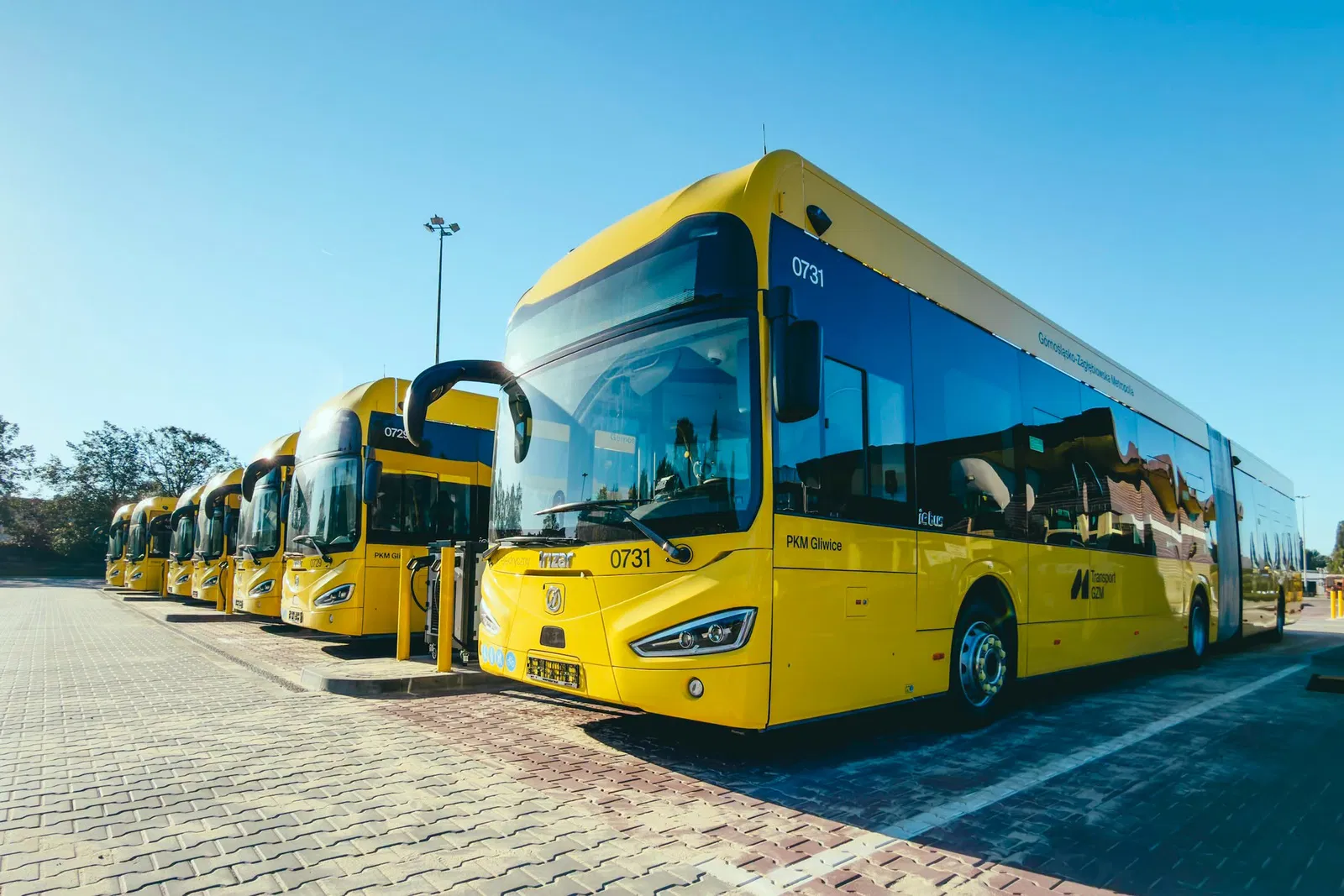
The public transportation network in Poland’s Upper Silesian metropolitan area has taken a major step forward in its transition toward sustainable mobility. Spanish electric bus manufacturer Irizar e-mobility has successfully completed the delivery of 31 battery-electric buses to Górnośląsko-Zagłębiowska Metropolia, commonly known as GZM. This significant addition brings a robust new fleet of zero-emission vehicles to the region, reinforcing Poland’s broader national strategy to modernize urban transit, reduce carbon footprints, and curb air pollution in heavily industrialized and populated metropolitan zones.
GZM officially showcased the new Irizar ie buses to the public in July, following the successful completion of rigorous technical acceptance procedures earlier in the year. These modern electric vehicles have been distributed among four distinct municipal operators responsible for maintaining public transit routes across Sosnowiec, Świerklaniec, Katowice, and Gliwice. Structuring the deployment across multiple regional operators allows the metropolitan authority to seamlessly integrate the new technology into pre-existing municipal transport frameworks while gathering comprehensive operational data under diverse traffic conditions and passenger loads.
The newly deployed fleet consists of a carefully balanced mix of vehicle sizes tailored to the specific demands of the local routes. Out of the 31 delivered units, 16 are high-capacity, articulated 18-meter buses designed to handle heavily trafficked trunk lines, while the remaining 15 are standard 12-meter buses well-suited for urban and suburban neighborhood routes.
A closer look at the distribution reveals how each municipal operator has tailored the deployment to its operational requirements. PKM Sosnowiec integrated eight 12-meter buses into its daily schedule, while PKM Świerklaniec took delivery of seven units of the same size. Meanwhile, high-capacity transit has been bolstered in Katowice and Gliwice, with PKM Katowice receiving nine 18-meter articulated buses and PKM Gliwice taking possession of seven articulated units. This strategic allocation ensures that high-density corridors benefit immediately from larger passenger capacities, while standard routes enjoy the efficiency of maneuverable 12-meter single-deckers.
This massive fleet expansion is a cornerstone of GZM’s ambitious Zielony Transport GZM, or Green Transport GZM, program. The overarching initiative is designed to systematically phase out aging, high-emission diesel and combustion-engine vehicles, replacing them with state-of-the-art zero-emission fleets. Beyond merely purchasing the vehicles, the program places significant emphasis on developing and expanding the underlying electrical grid and depot infrastructure required to keep the buses running reliably day after day.
Crucially, the scope of Irizar’s contract extended far beyond the manufacturing and delivery of the bus bodies and powertrains. The comprehensive project encompassed the delivery and installation of 20 dedicated depot charging units alongside the heavy electrical infrastructure required to install, power, and commission them safely. The charging apparatus provided in this package is diverse, comprising 18 dual 80-kilowatt chargers, one high-power triple 120-kilowatt unit, and a heavy-duty 180-kilowatt charging station. This robust charging ecosystem ensures that operators can efficiently manage overnight slow charging as well as rapid turnaround top-ups when necessary.
Financially, the project represents a major capital investment, valued at approximately PLN 133.7 million, which translates to roughly $36 million. Substantial financial backing has accelerated the transition, with industry reports indicating that more than 91 percent of all eligible project costs are being covered directly through Poland’s National Recovery Plan. This European Union-backed recovery framework has served as a vital financial catalyst for municipalities across Poland, enabling them to expedite green infrastructure projects that might otherwise have faced budgetary delays.
The contractual agreement between GZM and Irizar is structured to provide long-term operational security. It covers comprehensive warranty protection, extensive post-warranty service agreements, dedicated technical support, and thorough operator training programs for mechanics and drivers alike. The contractual framework was further refined through an amendment signed in April, which formally integrated the 19 charging units alongside the original provisions for the buses and ongoing maintenance services.
The arrival of these 31 Irizar vehicles is part of a much larger, multi-faceted electrification wave sweeping through the GZM region. According to metropolitan authorities, various projects supported by the National Recovery Plan are collectively bringing a total of 73 battery-electric buses to the four participating municipal operators. This cumulative total features 42 vehicles manufactured by Polish bus builder Solaris alongside the 31 units supplied by Irizar. Furthermore, these collaborative fleet additions are being supported by a combined total of 45 charging units distributed across the region’s depots.
Significantly, GZM is not putting all its eggs in one technological basket; instead, the metropolitan authority is actively pursuing a diversified zero-emission strategy. Alongside battery-electric technology, hydrogen fuel cell deployment is already underway. Eight hydrogen-powered buses have previously been delivered to the region under the separate Hydrogen GZM project. Looking forward, the regional government has already mapped out subsequent phases of the Green Transport GZM program, which calls for the procurement of an additional 24 battery-electric buses and 16 more charging units to continue expanding the clean fleet.
For Irizar e-mobility, the successful fulfillment of the GZM contract represents a major milestone in its ongoing expansion across Poland, which stands firmly as one of Europe’s most dynamic and competitive electric bus markets. The Spanish manufacturer’s footprint in the country has grown substantially. In November, Irizar announced a series of major contracts covering a total of 80 electric buses destined for five major Polish cities. These widespread orders included the GZM metropolitan fleet alongside high-profile orders for transit agencies in Warsaw, Kraków, Bielsko-Biała, and Nowy Sącz.
Those initial order announcements have rapidly materialized into concrete deliveries and active fleet expansions across the country. In Kraków, the local transit network is adding 22 new 12-meter Irizar buses, building upon a smaller initial fleet of four Irizar vehicles that have been in active service there since 2023. Meanwhile, Bielsko-Biała has placed an order for 12 units of the 12-meter variant, and Nowy Sącz is augmenting its municipal fleet with five compact 10-meter vehicles designed for tighter urban corridors.

Perhaps one of the most innovative deployments is taking shape in Poland’s capital. Warsaw has ordered 10 of Irizar’s 10-meter electric buses, scheduled for delivery toward the end of the year, with an additional option for 10 more units should the transit agency choose to expand the batch. Notably, the Warsaw-bound buses will be equipped with specialized solar panels mounted on the roof, rated at more than one kilowatt of power generation capability, to help offset auxiliary electrical loads and marginally improve overall energy efficiency.
For GZM, incorporating the 31 Irizar vehicles into daily operations broadens an increasingly sophisticated and diverse zero-emission transport network. By deploying battery-electric platforms alongside hydrogen fuel cell vehicles, the metropolitan authority is gaining invaluable, real-world comparative insights into the performance, maintenance requirements, and economic viability of multiple clean propulsion technologies.
The fact that four different municipal operators are simultaneously utilizing the same standardized electric platform across two distinct vehicle lengths provides GZM with a high degree of operational flexibility. Maintenance teams can share technical knowledge, spare parts management is simplified, and drivers can transition more easily between different municipal fleets within the same metropolitan area. These logistical efficiencies are expected to yield long-term cost savings as the region steadily phases out its remaining legacy combustion-engine buses.
For Irizar, cementing its presence in Upper Silesia marks a transformative step in establishing its brand as a premier provider of urban electric mobility solutions in Central and Eastern Europe. Having transitioned from its initial foothold in Kraków to securing major metropolitan fleets across Poland, the company is firmly positioned for the next phase of market evolution. As GZM prepares to roll out its next tranche of 24 electric buses under the continuing Green Transport program, and as other Polish municipalities continue to integrate Spanish-built zero-emission vehicles into their transit schedules, the collaborative push toward cleaner urban air in Poland continues to gain unstoppable momentum.