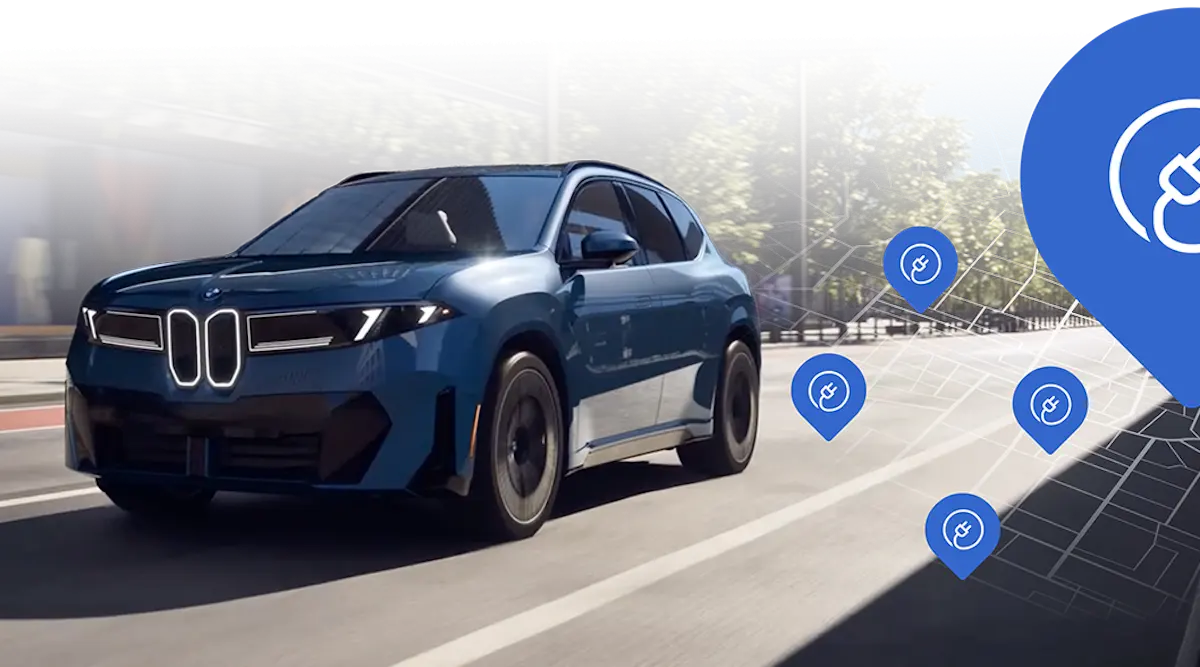
As the United States electric vehicle market continues to experience a resurgence in consumer adoption, automakers are finding increasingly creative ways to stand out in a competitive field. German luxury car manufacturer BMW is the latest to enter the fray, introducing a specialized $500 charging package designed to sweeten the proposition for buyers of its upcoming 2027 electric vehicle lineup. The initiative targets buyers of the 2027 BMW i5, BMW i7, and BMW iX3, aiming to streamline public charging and ease the transition into electric mobility as the automotive landscape rapidly evolves.
While a $500 charging credit represents a modest sum when stacked against the luxury price tags of these flagship electric models—such as the BMW i5, which commands a monthly lease rate of roughly $750 or an outright purchase price nearing $70,000 including destination fees—industry analysts note that every incentive counts. Beyond the immediate financial offset, the move strategically integrates BMW into broader utility and charging trends sweeping across the country, particularly the growing emphasis on time-of-use electricity optimization and collaborative charging networks.
Free Hours And EV Charging
The introduction of BMW’s charging package arrives against a backdrop of shifting energy management strategies in the United States, where utility providers are increasingly utilizing pricing structures to balance grid demand. The "free hours" trend has gained substantial traction nationwide, with states like Texas serving as a primary epicenter for innovative residential electricity plans. These programs are designed to smooth out peak weekday demand spikes and capitalize on abundant spare capacity on the electrical grid by incentivizing consumers to shift heavy electricity consumption to nighttime hours.
Major utility providers, such as Constellation, have emerged as representatives of this trend by offering specialized rate structures. When households enroll in a free-night electricity plan, smart meters track energy usage dynamically according to the time of day. Constellation offers plans featuring designated "Free Power Hours" between midnight and 4 a.m. nightly, alongside discounted supply rates running from 10 p.m. to 6 a.m.
However, utility providers caution that these arrangements come with specific caveats. Standard service charges and auxiliary fees continue to apply, and such plans are generally unsuited for households that consume high volumes of electricity during peak daytime hours when higher rates are in effect. Despite these limitations, access to low-cost or free overnight charging remains a compelling incentive for electric vehicle owners seeking to minimize their daily driving expenditures. Constellation has expanded these offerings, providing its "FreeCharge" plan during the midnight-to-4 a.m. window to ratepayers in Pennsylvania as well as Texas.
A $500 EV Charging Credit From BMW
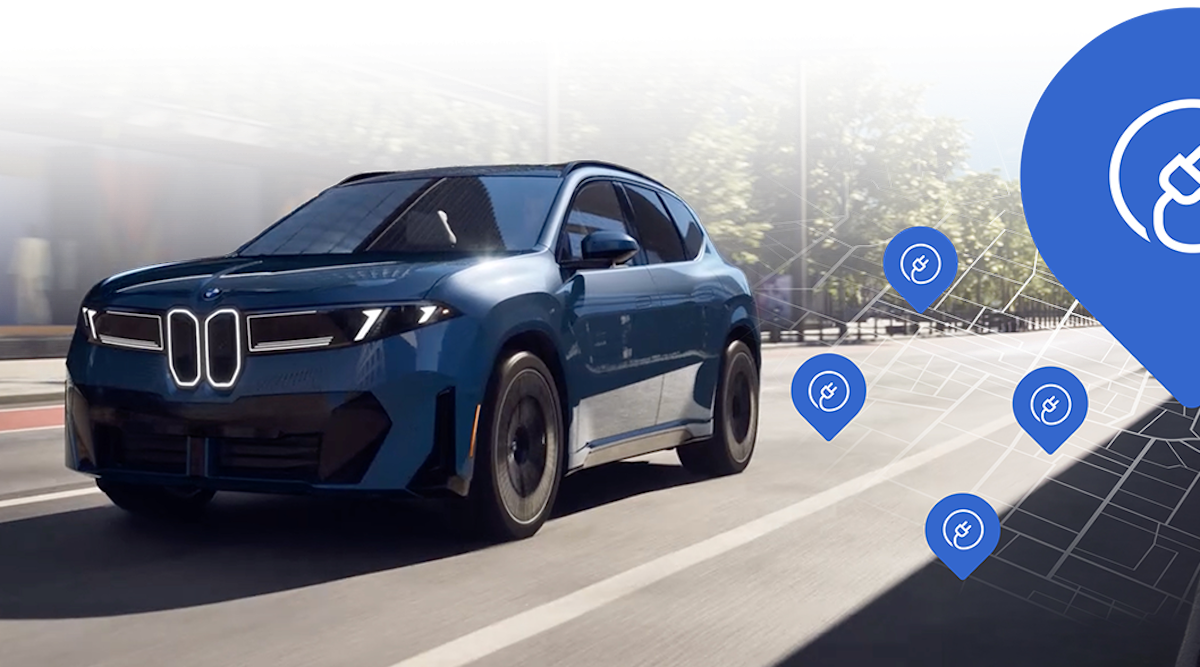
Against the broader canvas of utility-driven energy incentives, a $500 public charging credit may appear minor. Yet, automotive executives maintain that any added value helps reinforce consumer confidence, particularly in regions where overnight home charging discounts are less accessible. BMW officially announced that the new package, which rolls out to the market, is intended to make public charging simpler, more convenient, and more affordable for its expanding customer base.
The structured credit breaks down into two distinct components. Drivers receive a $300 credit applicable across the broader BMW Charging Network, alongside an additional $200 credit dedicated specifically to IONNA locations. IONNA represents a joint venture consortium of major automotive manufacturers, including BMW, established with the core mission of improving the overall driver experience, reliability, and accessibility at public fast-charging stations across North America. In addition to the monetary credit, the automotive group is bundling a one-year IONNA membership plan that grants participants a 25 percent discount on charging sessions.
For BMW owners, the utility of these credits is supported by a massive infrastructure footprint. The proprietary BMW Charging Network provides access to more than 180,000 compatible charging stations, all fully integrated and manageable through the My BMW smartphone application.
BMW: Maintaining Momentum Through Market Shifts
The rollout of the charging package underscores BMW’s continued commitment to vehicle electrification, even as the broader industry navigates shifting political and economic landscapes. Despite regulatory changes and the phased transition of federal incentives following the expiration of certain federal EV tax credits, public charging infrastructure in the United States has continued to expand in both scale and technological sophistication.
Rather than pulling back from electrification initiatives, BMW has deliberately anchored its vehicles to robust public and private charging ecosystems. In addition to its partnership in IONNA, the comprehensive BMW Charging Network incorporates major charging providers such as Shell Recharge, Electrify America, ChargePoint, and EVgo.
Furthermore, the automaker has invested heavily in advanced charging conveniences, including Plug & Charge technology, which eliminates the traditional friction of app activations or credit card swipes at the pump. BMW has also thrown its weight behind collaborative grid-management frameworks designed to optimize the exchange of energy between electric vehicles and the power grid.

Next Steps For EV Charging In The US
BMW’s broader strategic alignment highlights the ongoing evolution of the electric vehicle market, extending far beyond simple tailpipe emissions reductions. Central to this evolution is ChargeScape, an enterprise launched years ago as a joint venture between BMW, Ford, and the American division of Honda.
Designed to benefit both individual vehicle owners and the broader electrical utility industry in the United States and Canada, ChargeScape unlocks entirely new value propositions for electric vehicles. By integrating vehicle batteries into a synchronized grid management platform, the system allows participating customers to earn financial benefits through managed charging and energy-sharing services. Utility companies gain access to a distributed network of energy storage capacity, enabling them to incentivize drivers to charge during grid-friendly intervals through flexible schedules.
The collaborative platform has steadily expanded its industry footprint since its initial formation. Nissan joined the alliance of automakers, followed by the addition of electric vehicle startup Rivian, which introduced options for bidirectional charging capabilities. Other major industry players, including Tesla, also utilize the foundational platform.
The incorporation of bidirectional charging technology represents a frontier for the industry. Originally emerging in early iterations decades ago, bidirectional charging enables electric vehicle owners to utilize their high-capacity automotive batteries to power residential homes during outages or send surplus energy back to the local utility grid. Unlocking the mass-market potential of this technology remains a complex challenge, but the growing prevalence of time-of-use and free-hours electricity plans could accelerate consumer adoption. By utilizing off-peak charging periods to store affordable electricity, drivers can theoretically discharge stored power to offset household electricity costs during high-rate periods.
Automotive manufacturers are actively engineering hardware to support this paradigm shift. Ford, for instance, has developed systems like its forthcoming Fathom electric pickup truck, which integrates an internal inverter capable of converting direct current from the vehicle battery into alternating current for residential use, effectively bypassing the expense of traditional wall-mounted home inverters. As automakers continue to refine these technologies and pair them with targeted consumer incentives, the infrastructure supporting electric vehicles in the United States enters a new phase of integration and utility.