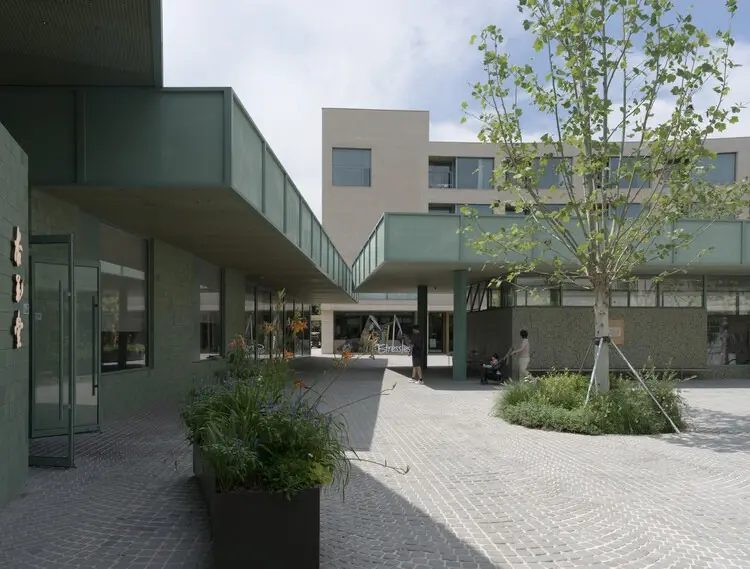
Urban and community regeneration has increasingly become a focal point for contemporary architecture, shifting the focus from erecting brand-new structures from scratch to breathing new life into existing fabrics. A prominent example of this design philosophy is unfolding in northern China, where the architectural firm genarchitects has taken on the comprehensive regeneration of Youyi Bay, a micro-community situated within the renowned coastal cultural and tourism destination of Aranya in Qinhuangdao. Curated by Han Shuang, the project reevaluates how public spaces, hospitality, residential apartments, and commercial zones interact within a localized coastal environment, emphasizing an evolutionary design approach termed by the architects as "Growing Through Use."
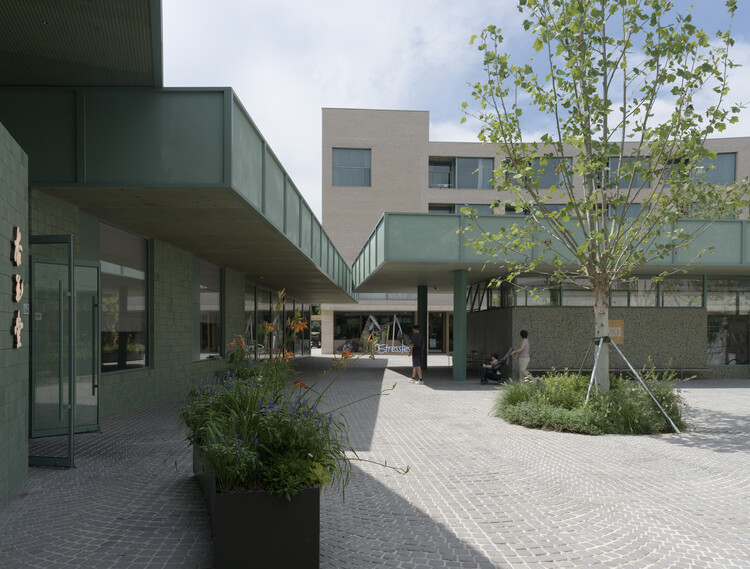
Youyi Bay was originally conceived as a tightly knit, multi-functional micro-community comprising a hotel, residential apartments, and an array of commercial spaces. In its initial layout, the development’s public realm was organized around a sequence of interconnected plazas. The architectural configuration naturally segregated the more private functions—such as the hotel rooms and private apartments—by enclosing them within dedicated courtyards. Meanwhile, the strategic positioning of the surrounding structures generated a series of plazas varying widely in scale, proportion, and atmospheric quality. This spatial arrangement was intentionally designed to choreograph human movement, allowing visitors and residents to experience a gradual transition as they traversed the area. Moving from the bustling, highly active commercial zones toward the more secluded, quieter residential courtyards offered a distinct spatial narrative defined by shifts from lively public encounters to serene, private retreats.
As communities mature, however, the ways in which people utilize built environments inevitably evolve. The Aranya Youyi Bay Community Regeneration project by genarchitects addresses this dynamic reality, acknowledging that static master plans must adapt to the living, breathing patterns of daily human activity. Rather than imposing an entirely rigid framework or overriding the original character of the site, the regeneration strategy leans into the concept of growth through actual utilization. This methodology respects the foundational layout established by the original planners while introducing thoughtful architectural interventions designed to enhance connectivity, optimize commercial vitality, and enrich the overall spatial experience for both short-term visitors and permanent community members.
The coastal setting of Qinhuangdao adds a unique layer of environmental context to the project. Aranya has earned a strong reputation nationally for its thoughtful integration of contemporary culture, arts, and architecture into a seaside landscape. Within this vibrant ecosystem, Youyi Bay serves as a microcosm of community life, where the demands of hospitality, retail, and residential living overlap on a daily basis. The regeneration work undertaken by genarchitects seeks to reinforce this delicate balance. By carefully analyzing how the original plazas, courtyards, and building facades functioned in practice, the design team identified opportunities to refine the transitions between public and private domains without erasing the historical layers of the site.
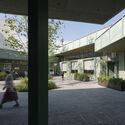
Throughout the design and execution of the regeneration effort, the emphasis remained firmly on preserving the human-scale qualities that initially defined Youyi Bay. The sequence of spaces—ranging from expansive, open-air gathering areas to intimate, sheltered corners—has been recalibrated to better accommodate contemporary programming, seasonal fluctuations in tourism, and the shifting needs of a modern coastal community. By allowing the architecture to respond flexibly to how people inhabit and move through the space, genarchitects’ intervention demonstrates a sensitive approach to modern community revitalization. As the project concludes its latest phase and enters its next chapter following its public presentation, it stands as a testament to the potential of adaptive design in contemporary Chinese architecture, proving that thoughtful regeneration can successfully harmonize past intentions with future possibilities.