"After all, time is a key ingredient of my profession," states Francis Kéré in his newly published book, Francis Kéré: Building Stories. Architecture, by its very nature, is a discipline that is constantly evolving and transforming over time. Within this dynamic process, fundamental elements such as bricks, doors, windows, walls, and stairs become the protagonists of a journey that begins with a simple sketch on paper and eventually takes physical shape as a built work.
Considering that true architecture begins only when its inhabitants start to make a space their own, Francis Kéré develops his projects progressively. Demonstrating a unique approach to the traditional design and construction timeline, Kéré continues to work on the design even during the active construction phase. As his architecture grows over time, integrates seamlessly with its local surroundings, adapts flexibly to the shifting needs of its users, and responds to environmental and social changes in experimental ways, it ultimately seeks to become an inseparable part of the lives of those who inhabit it.
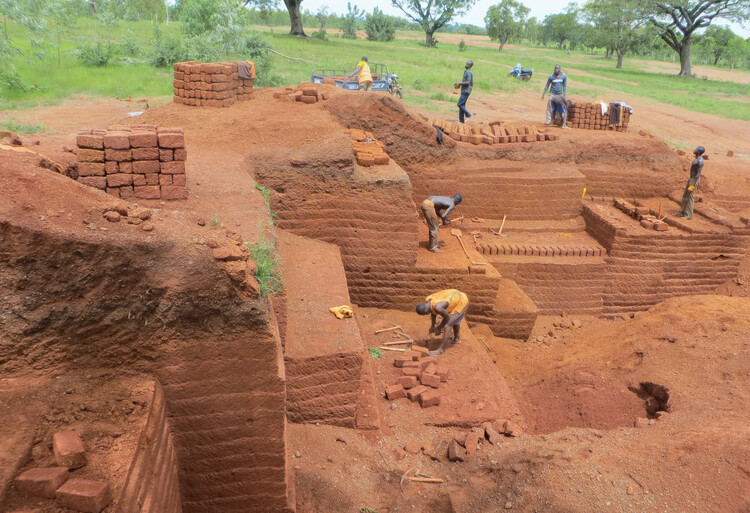
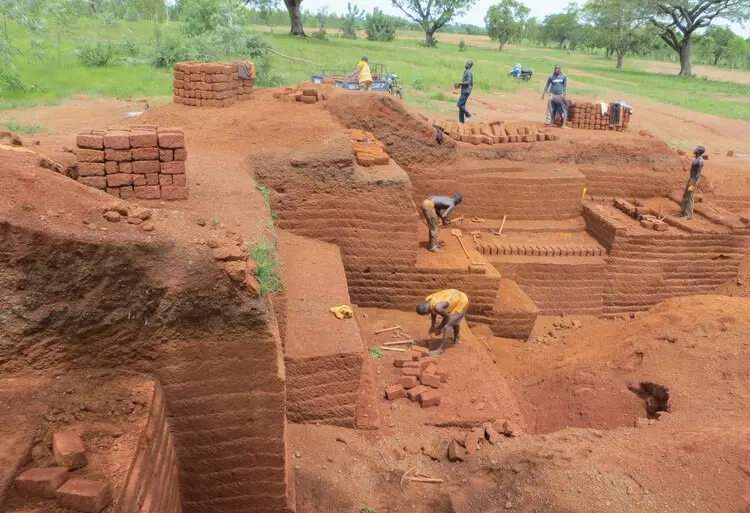
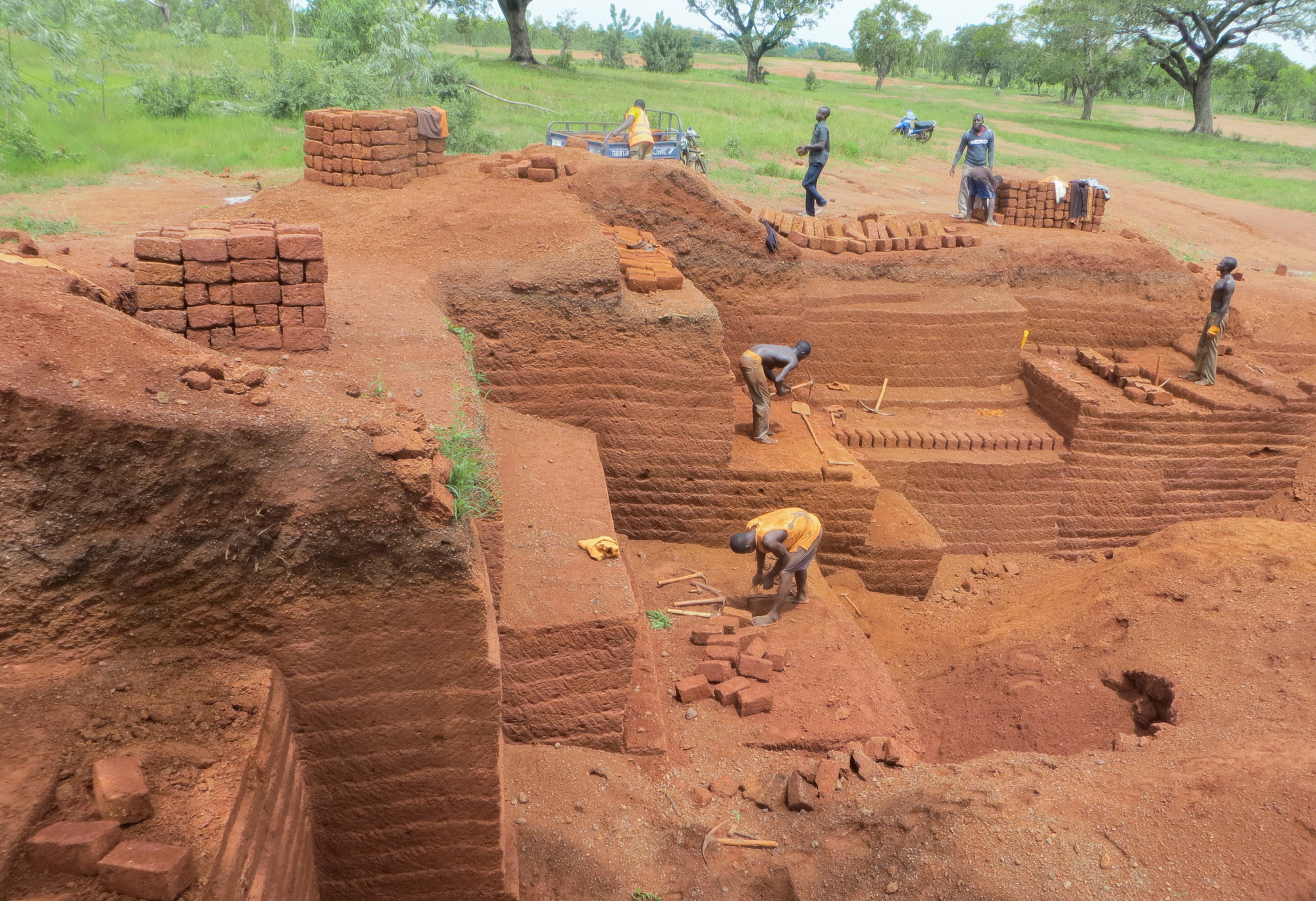
The philosophy of treating time as a primary building material reflects a deeper understanding of community engagement and sustainable development, principles that have defined Kéré’s career from his early projects in his native Burkina Faso to his globally recognized work. By involving local communities directly in the construction process—such as through the extraction of laterite bricks or the formation of human chains to pour earthen walls, as seen in projects like the Schorge secondary school and the Naaba Belem Goumma Secondary School—the timeline of the building becomes a shared communal experience. The physical labor and the passage of days and months are baked into the very fabric of the structures, creating a tangible connection between the people, the materials, and the built environment.
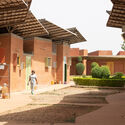
This philosophy also shapes grander master plans, such as the Opera Village in Laongo, where the spiral layout of the entire village stems organically from the theater placed at its center, allowing the settlement to expand and mature in phases over time. Whether designing educational facilities, healthcare centers like the Surgical Clinic and Health Center, or his own architectural studio in Berlin, Kéré’s work challenges the conventional Western model of rapid, rigid construction. Instead, it embraces a slower, more adaptable process where architecture is allowed to breathe, age, and evolve alongside the communities it serves.