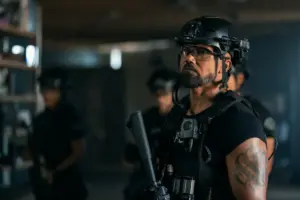
When people discuss the titans of science fiction entertainment, conversations almost invariably turn toward Star Wars and Star Trek. From a purely financial standpoint, that dominance is difficult to dispute. For decades, those two massive multimedia powerhouses have commanded box offices, merchandise aisles, and television networks across the globe, establishing blueprints for modern cinematic universes and sprawling space operas. Yet, when evaluating true cultural footprint, narrative ingenuity, and foundational influence across all of modern storytelling, another property stands shoulder-to-shoulder with the sci-fi giants.
In the vast realm of speculative fiction and imaginative television, nearly all roads lead directly back to The Twilight Zone. Decades after its initial broadcast, television’s definitive anthology series remains a monumental achievement in writing and conceptual television. For viewers looking to explore or revisit its brilliant library, the landmark show is currently available to stream completely free on Tubi, offering a timely reminder of why its dark corridors and philosophical dilemmas continue to resonate more than sixty years later.
You Have Entered… The Twilight Zone
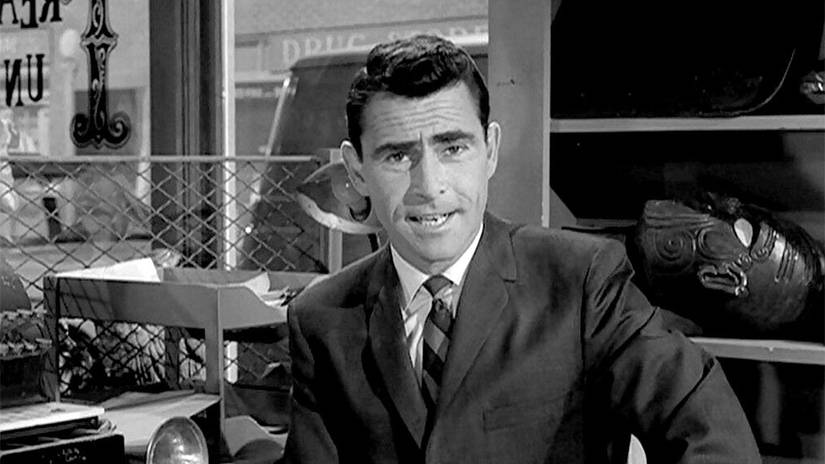
Debuting in 1959, The Twilight Zone enjoyed a stellar five-season run on CBS, comprising a total of 156 episodes that reshaped the creative boundaries of the medium. The series was the brainchild of Rod Serling, a visionary television pioneer who grew increasingly frustrated with network censorship and the rigid limitations of 1950s television. At the time, much of the television landscape consisted of live, taped stage plays and multi-camera domestic sitcoms such as I Love Lucy. Serling envisioned something far more ambitious—a weekly cinematic experience that could smuggle provocative social commentary past nervous network executives by disguising it as science fiction, fantasy, or horror.
To achieve this vision, Serling created a single-camera anthology format where each standalone episode operated essentially as a short, self-contained movie. While the vast majority of the series ran as half-hour programs, season four famously experimented with an hour-long format before returning to the brisk, half-hour structure for its fifth and final season.
Every single episode of The Twilight Zone introduced entirely new casts, fresh settings, and unique premises. On the surface, the stories frequently dabbled in classic genre tropes, exploring science fiction staples like extraterrestrial contact and time travel alongside horror mainstays such as vengeful ghosts, haunted houses, and possessed dolls. However, these fantastical elements served merely as a vehicle for deeper allegorical explorations. Beneath the eerie music and twist endings, Serling and his writers used the speculative framework to interrogate profound human conditions, including systemic prejudice, crushing loneliness, existential morality, human hubris, and deep-seated regret.

The creative DNA of the show drew heavily from some of the earliest and most celebrated literary minds in speculative fiction. The intellectual architecture of the series was inspired by foundational works from authors like H.G. Wells and Mary Shelley. Furthermore, Serling enlisted some of the premier sci-fi and horror authors of the 1950s to script television adaptations and original teleplays, including literary legends such as Ray Bradbury and Richard Matheson. Despite the immense contributions of these literary greats, Serling himself remained the primary creative force behind the show’s enduring legacy. Not only did he famously host each episode with his iconic, cigarette-smoking introductions and philosophical sign-offs, but he also personally wrote nearly 100 of the series’ episodes.
An Unmatched Legacy of Influence
Despite drawing inspiration from early literature and horror traditions, The Twilight Zone proved to be vastly more influential on future generations of filmmakers and television creators than any property that preceded it. The most direct descendants are found in subsequent anthology programs like The Outer Limits and modern successors such as Black Mirror, both of which inherited the show’s blueprint of using self-contained speculative parables to critique contemporary society.
However, the ripple effects extend far beyond the anthology format. Acclaimed serialized television series including The X-Files, Fringe, Lost, and animated staples like Futurama openly acknowledge their debt to Serling’s creation. The cinematic world has proven equally inspired. Acclaimed filmmaker Jordan Peele has explicitly credited a first-season episode of The Twilight Zone, titled "Mirror Image," as the direct inspiration for his 2019 psychological horror film Us. Similarly, creator Don Mancini has pointed to the fifth-season episode "Living Doll" as a primary muse for the creation of Chucky, the iconic killer doll of the Child’s Play franchise.
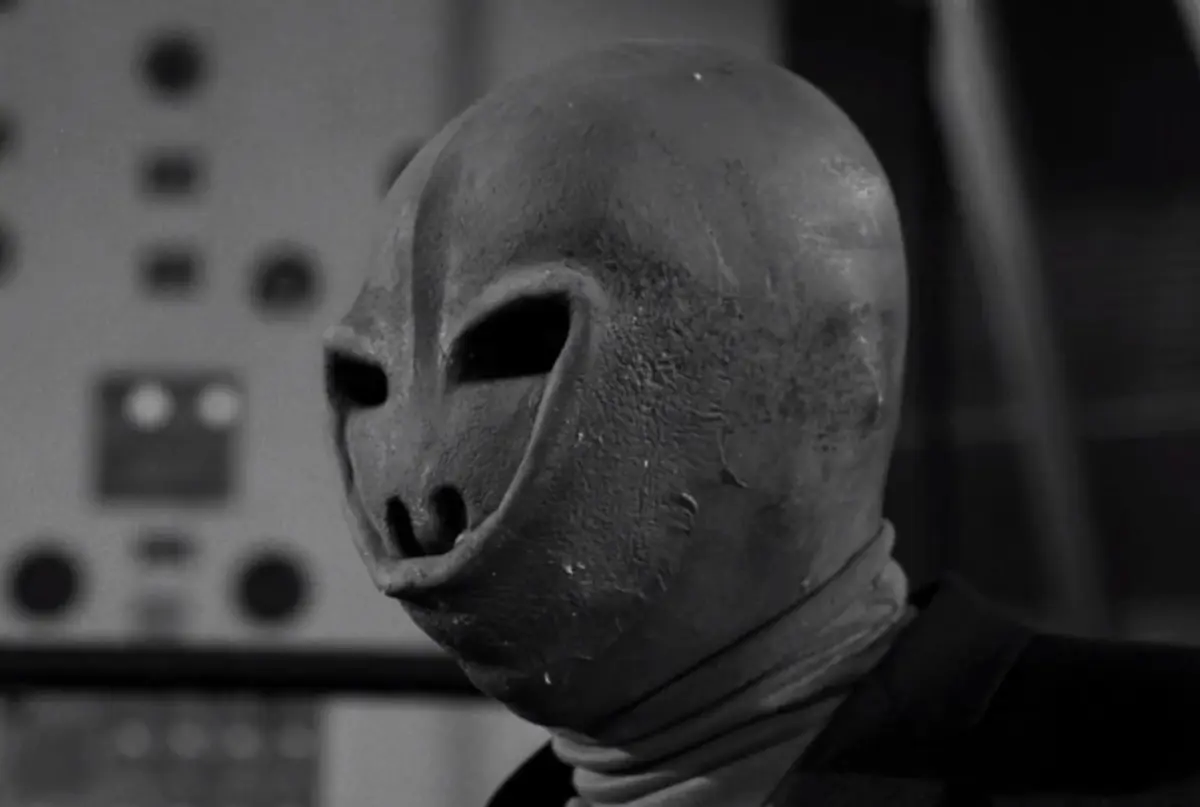
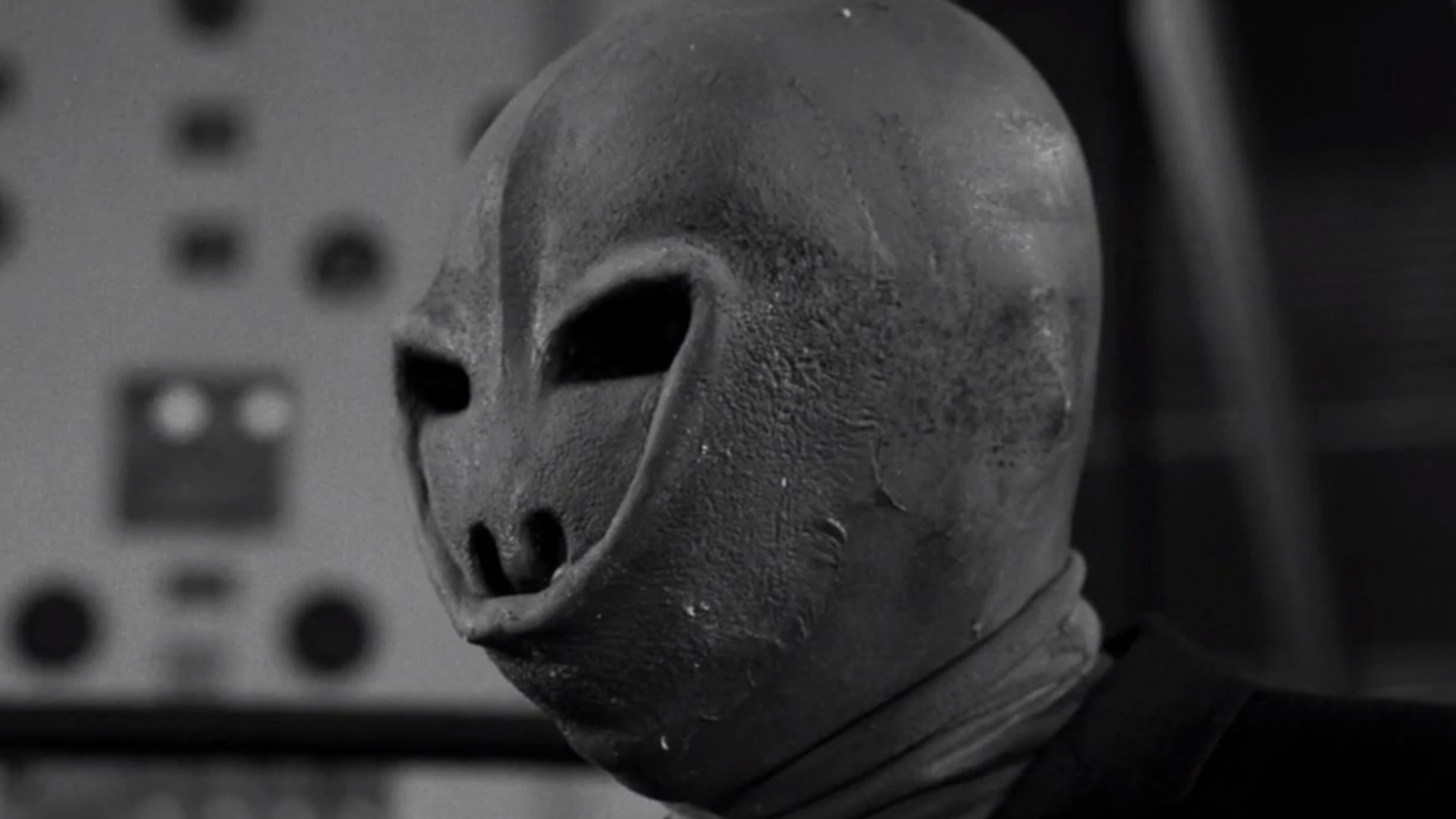
Many of these classic episodes maintain their razor-sharp storytelling and suspenseful execution decades later. Ray Bradbury’s "Nightmare at 20,000 Feet"—starring a frantic young William Shatner as an airline passenger convinced he sees a grotesque gremlin tearing apart the wing of a commercial airplane mid-flight—remains one of the most widely recognized and frequently parodied segments in television history. Other unforgettable entries include "Dummy," a chilling exploration of psychological instability centered around a living ventriloquist dummy, and "To Serve Man," a beloved alien invasion narrative that culminates in one of the most famous, darkly comedic plot twists ever captured on film.
Not Everything About The Twilight Zone Holds Up
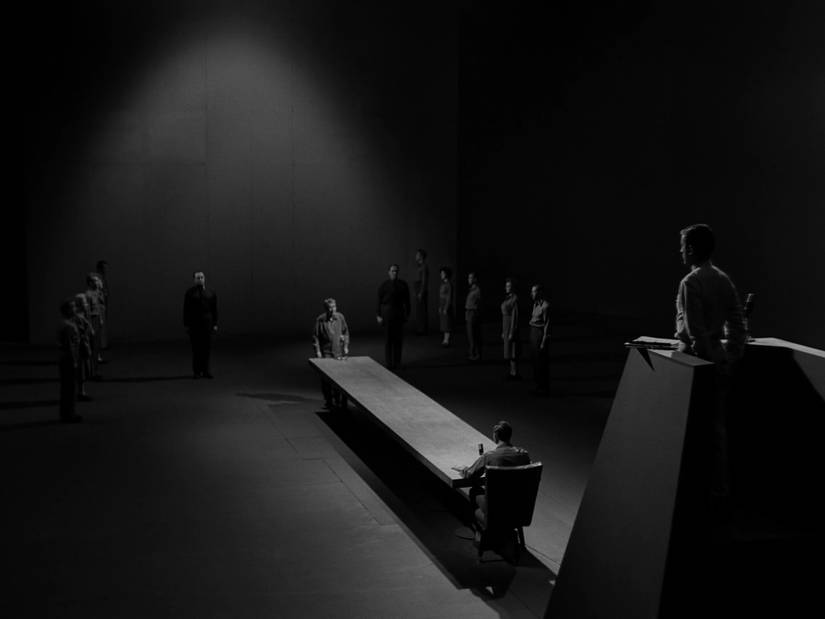
Naturally, looking back at a television program that premiered more than sixty years ago means confronting certain dated elements. Modern audiences will immediately notice the limitations of mid-century television production, particularly regarding practical special effects, studio-bound soundstages, and black-and-white cinematography that reflects the era’s technical constraints.
Yet, because the series relied so heavily on universal themes, deeply human subtext, and moral ambiguity, a remarkable majority of its catalog remains surprisingly relevant, intellectually stimulating, and emotionally poignant. Furthermore, the anthology structure offers a distinct advantage for contemporary viewers accustomed to on-demand viewing. Tubi users can freely bounce around the catalog, sampling guaranteed masterclasses in tension and storytelling before committing to a full chronological dive. Because there is no sprawling overarching continuity or complex serialized mythology to track, viewers can easily dip in and out of the series at their own pace without worrying about missing vital narrative threads.
Ultimately, The Twilight Zone presents an ideal viewing option for anyone seeking classic television that rewards curiosity. While viewers may experience a small degree of trial and error discovering which specific subgenres or pacing styles best suit their personal tastes, the historical importance and sheer entertainment value of Serling’s masterpiece make the journey worthwhile. For anyone who appreciates contemporary science fiction and psychological horror, tuning into the original anthology is an essential exercise, as a staggering amount of modern genre storytelling traces its lineage directly back to the door of the fifth dimension.