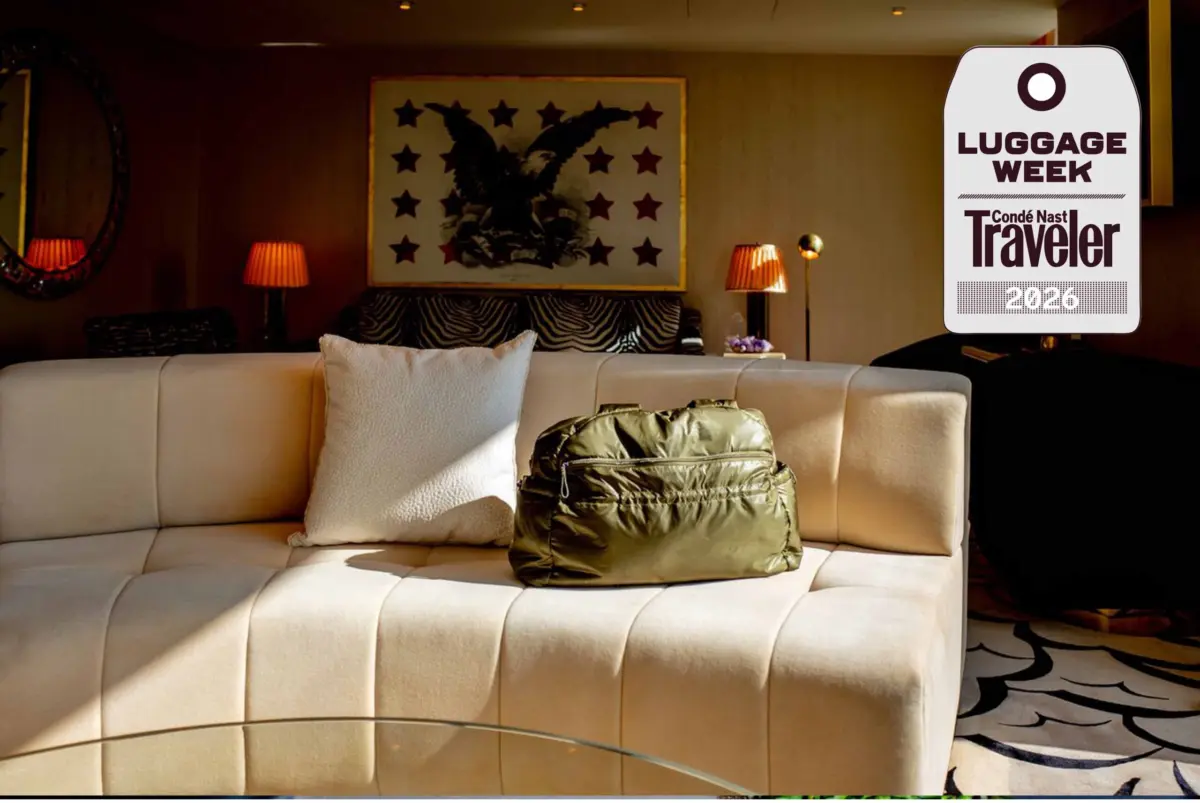
For those of us who call the bustle of Brooklyn home, the weekend is rarely spent lounging within city limits. Instead, the call of the open road is a persistent, welcome siren song. Whether it is the salt-aired magnetism of Montauk, the rolling, mist-covered hills of the Hudson Valley, or the rugged, seasonal allure of the Catskills, my weekends are defined by the rhythm of the car engine and the promise of a getaway. Over the past few years, these frequent escapes have refined my travel kit, stripping away the superfluous and highlighting the essential. Amidst the evolution of my packing habits, one item has remained a constant: the Caraa Portobello duffel bag.
After nearly two years of rigorous testing across countless miles and various terrains, this bag has transcended the status of a simple accessory to become an indispensable travel partner. My specific choice—a deep, earthy olive green—serves as a testament to the bag’s aesthetic versatility. It is a timeless shade that harmonizes effortlessly with the rest of my luggage, avoiding the overly sporty look that often plagues high-performance travel gear. However, while the visual appeal initially drew me in, it is the bag’s structural intelligence and its adaptability to the realities of a weekend traveler’s life that have kept it firmly in my rotation.
The brilliance of the Portobello lies in its tactile experience. It is a "pillowy-soft" piece of equipment, a design choice that serves both comfort and utility. When navigating the logistics of a trip—hauling gear from the trunk of a car to a hotel lobby, or moving through a crowded transit hub—the ergonomics of the bag become paramount. The shoulder straps are intentionally long, designed with a generous drop that allows them to sit comfortably over the arm without sliding or digging into the shoulder. It is an often-underrated quality, yet one that makes a world of difference during the transition from the road to the destination. Furthermore, the inclusion of a simple button clasp to secure the straps together is a minor, yet profound, detail. It ensures that the bag is always ready to be grabbed, slung over the shoulder, and put into motion without a second thought.
Perhaps the most significant departure from traditional luggage design is the bag’s cinched silhouette. Unlike rigid, boxy suitcases that demand a specific volume to maintain their shape, the Portobello is fluid. The top gathers in, allowing the traveler to adjust the bag’s footprint based on the contents. For a sprawling, multi-day retreat, the bag expands to accommodate a generous load. Conversely, for a light overnight trip, the cinching mechanism allows the bag to condense, preventing the awkwardness of carrying a half-empty, sagging container. This adaptability is essential for the weekend warrior who requires a bag that can scale up or down without compromising its aesthetic integrity. Because of this collapsible, soft-sided nature, the bag is also remarkably easy to store in the tight confines of a New York City apartment, sliding into a closet or beneath a bed with ease when not in use.
Durability is the true test of any travel gear, and here, the Portobello has exceeded expectations. After two years of consistent, high-frequency use, the bag retains its shape and texture as if it were brand new. The "pillowy" exterior is not merely for comfort; it serves as a functional buffer, providing a cushioned layer that protects delicate essentials stored inside. I have found that I can confidently pack more fragile items—perfume bottles, hair accessories, or technical devices—without the constant anxiety that they will be crushed or broken when the bag is jostled in the trunk. This protective quality adds a layer of peace of mind that elevates the bag from a simple carrier to a reliable vault for one’s belongings.

The technical specifications of the bag further demonstrate a deep understanding of the modern traveler’s needs. Constructed from water-resistant, recycled nylon, the Portobello is built to withstand the elements, whether that means a sudden downpour while running to the car or a spill in the trunk. The fact that the material is machine washable is an added layer of convenience that, while not yet put to the test, provides a sense of security for the long-term longevity of the piece. Inside, the organizational layout strikes a delicate balance between structure and freedom. The main compartment is cavernous enough to hold roughly four days’ worth of clothing, providing a perfect threshold for seasonal weekend getaways. A transparent interior compartment serves as a designated home for smaller items—jewelry, undergarments, or makeup—that would otherwise inevitably migrate to the bottom of the bag and disappear.
One of the most praised features of the Portobello, however, is the inclusion of exterior water bottle holders. For road trippers, this is a game-changer. Rather than having a bottle roll around on the floor of the vehicle or get buried beneath layers of sweatshirts and equipment, these holders provide a permanent, accessible spot for hydration. The bag also translates well to air travel; the addition of a hidden trolley sleeve allows it to be stacked securely on top of a larger rolling suitcase, making it an ideal personal item for flights. An exterior pocket, perfectly positioned for a passport or boarding pass, ensures that the most critical items are always within reach without the need to unzip the main body of the bag.
Of course, no single piece of luggage can be a panacea for every type of travel. There are limits to what a weekend bag can—and should—do. For instance, during intensive ski trips where bulkier gear and specialized clothing are required, the Portobello acts as a primary vessel for clothing and softer items, but it must be paired with additional storage for equipment. It is not designed to be a monolithic suitcase for a week-long expedition into the mountains. However, for the specific niche of the two-to-four-day getaway—a weekend in Montauk, a retreat in the Hudson Valley, or a short city break—it hits the "sweet spot." It offers enough volume to pack comfortably, enough flexibility to maneuver into tight car spaces, and a sophisticated aesthetic that allows one to walk from the parking lot into an upscale hotel without feeling as though they are hauling a gym bag.
As part of the annual Luggage Week initiative, where experts and editors put hundreds of pieces of gear to the test, the Portobello stands out for its ability to bridge the gap between utility and style. It is an investment that feels justified by the frequency of use and the resilience of the materials. Ultimately, the bag succeeds because it understands the philosophy of the weekend getaway: that the journey should be as seamless as the destination. It is a piece of gear that doesn’t demand attention, but rather, silently facilitates the experience, making the act of packing a little less stressful and the act of arriving a little more stylish. Whether you are a frequent commuter or an occasional explorer, having a go-to companion that you can trust to hold its shape, protect your belongings, and adapt to your changing needs is the hallmark of a successful travel strategy. For me, that companion happens to be this olive green, cinched-top, pillowy-soft duffel, which continues to prove its worth with every mile logged.