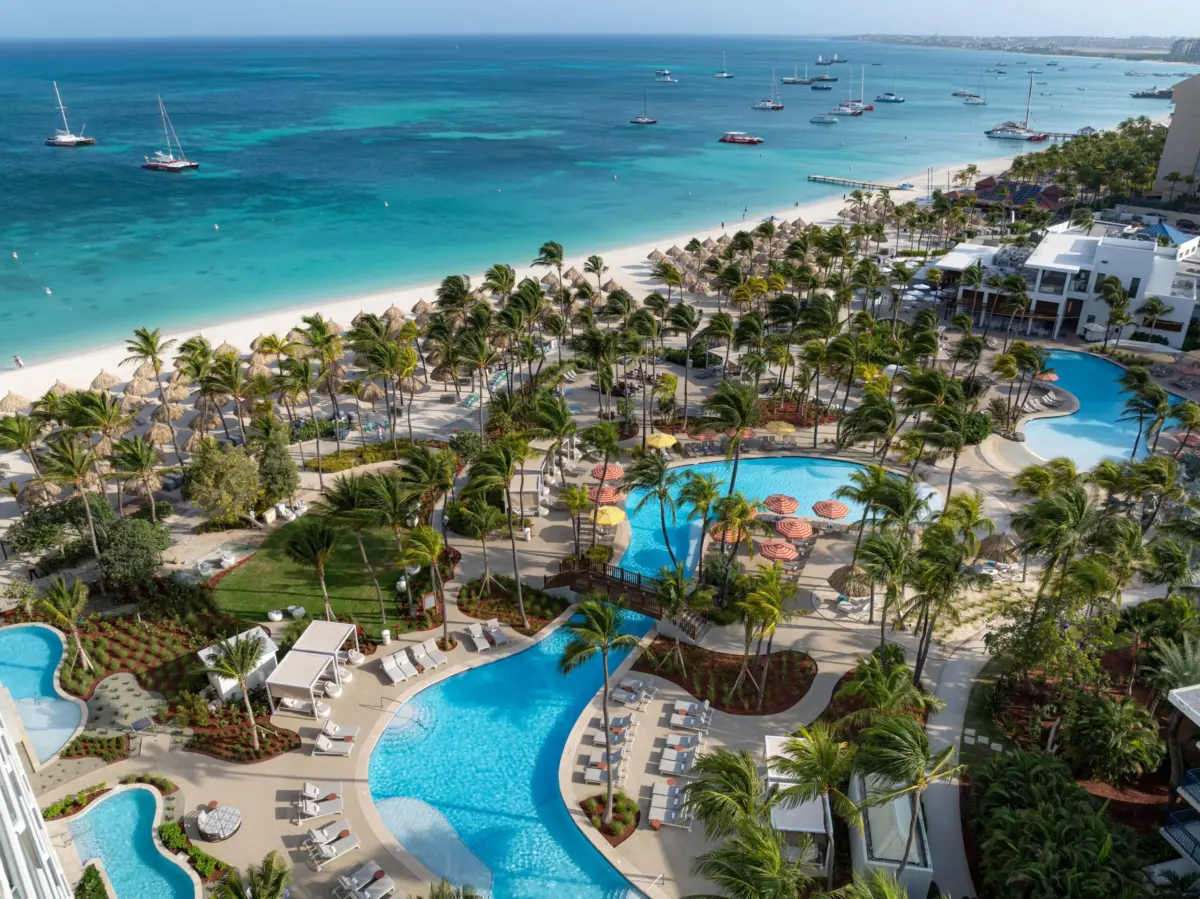
Aruba is the rare destination that manages to linger in the memory long after the sand has been shaken from one’s suitcase and the tan lines have begun to fade. Known affectionately as "One Happy Island," it is a place defined by a unique geography and an atmosphere that seems to operate on its own, tranquil frequency. Its primary draw—the expansive, sugar-white beaches and the hypnotic, crystalline aquamarine water—is bolstered by a climate that feels nearly perfected by nature. Because the island sits comfortably outside the traditional Caribbean hurricane belt, it offers a level of reliability that is rare in the region, making it a perennial favorite for travelers who prioritize consistency and comfort in their vacation planning.
Beyond the allure of the coast, the island’s physical geography is remarkably diverse. Roughly twenty percent of Aruba’s total landmass is protected within the sprawling Arikok National Park. This rugged, arid landscape provides a stark and beautiful contrast to the manicured luxury of the hotel strips. Within the park, visitors can traverse cactus-studded trails that feel worlds away from the beach bars, discovering limestone caves that whisper of the island’s geological history and natural pools carved into the volcanic rock by the relentless Atlantic surf. It is this duality—the polished, palm-fringed leisure of the coastline and the wild, untamed interior—that gives Aruba its multifaceted character.
The island’s cultural tapestry is equally rich, woven from a blend of Dutch colonial heritage and vibrant Caribbean influences. This historical intersection is most evident in the culinary scene, which has matured into a sophisticated landscape. Visitors can transition seamlessly from a morning spent indulging in traditional Dutch pancakes or bitterballen to an evening enjoying fresh, locally caught Caribbean seafood prepared with a tropical flair. Whether one is seeking the familiar comforts of European-inspired cuisine or the bold, spicy flavors of the local Creole-influenced dishes, the island’s dining options reflect a population that celebrates its complex and diverse background.
My personal connection to this island is long-standing and deeply rooted. I first arrived on Aruba’s shores as a toddler, and in the decades since, it has become a constant in my life, a place to which I have returned almost annually. These years of visitation have provided a front-row seat to the island’s evolution. I have seen the transformation of the coastline, watching as the hospitality landscape shifted from the intimate, old-school low-rise hotels that defined the earlier eras of Caribbean tourism to the expansive, modern, and increasingly deluxe resorts that now dot the horizon. This long-term perspective has offered me a granular understanding of what makes Aruba’s hotel scene particularly unique, allowing me to observe how different properties have adapted to changing traveler expectations, technological shifts, and the evolving needs of visitors ranging from honeymooners to families with young children.
Choosing where to stay on an island that has undergone such significant development can be an overwhelming task. The sheer variety of accommodations—from high-end luxury brands to boutique properties—means that the "best" hotel is entirely dependent on the specific needs of the traveler. For some, the ideal Aruban experience is defined by the proximity to the surf, where one can wake up and step directly onto the sand. For others, the priority might be the wellness offerings, such as resorts that integrate sunset yoga sessions, guided meditation, or full-service spa retreats into their daily programming. Meanwhile, the growing demand for convenience has led to an impressive array of all-inclusive options, which provide a carefree, stress-free environment where every detail, from the morning coffee to the evening cocktail, is handled with meticulous care.
The beauty of Aruba is that it accommodates both the weekend escape and the extended immersion. The island is small enough to navigate comfortably during a three-day weekend, making it an ideal destination for those looking to maximize a short window of time away from the pressures of daily life. Yet, it possesses a certain rhythm—a relaxed, steady pace—that makes it equally suitable for a longer residency, where one can truly settle into the island’s lifestyle, explore the hidden corners of the national park, and become a regular at local cafes.
Navigating the current landscape of Aruba’s hotels requires an understanding of how these properties align with different vacation goals. The evolution of the island’s tourism sector has been marked by a shift toward experiential travel. Modern resorts are no longer just places to sleep; they are designed to be gateways to the island’s culture. Many of the newer properties prioritize a sense of place, incorporating local art, architecture, and landscaping that reflects the unique arid beauty of the island. They provide the infrastructure for adventure, offering curated tours into the national park or partnerships with local operators who specialize in sailing, snorkeling, and deep-sea fishing.
As I look back on my years of visiting, I am struck by how the core of the island has remained intact despite the modernization. The trade winds still provide that steady, cooling breeze that makes the heat of the Caribbean sun so manageable. The hospitality remains warm and welcoming, a testament to the local culture that places a high value on the comfort of guests. Whether one chooses to stay in the high-rise district, where the energy is palpable and the amenities are endless, or in the quieter, more secluded regions of the island, the essential Aruban experience remains consistent.
Ultimately, the choice of a hotel serves as the anchor for the entire trip. For the traveler who values peace, the selection might lean toward resorts that emphasize space and solitude. For the traveler who thrives on the social energy of the beach, the properties along the famous stretches of sand like Palm Beach or Eagle Beach offer the perfect home base. It is this diversity of choice that ensures Aruba remains a top-tier destination for international travelers. By understanding the nuance of each property—how they serve families, how they cater to couples, and how they integrate into the broader island experience—one can ensure that their time on this island is not just a vacation, but a meaningful experience.
The island continues to adapt to the future of travel, embracing sustainability and community-driven initiatives to ensure that the natural beauty which attracts millions remains preserved for generations to come. From the protected wildlife within the national park to the community-led culinary movements in Oranjestad, there is a genuine effort to maintain the integrity of the island. For those of us who have spent years returning to these shores, witnessing this evolution has been as rewarding as the visits themselves. Whether you are arriving for the first time or the hundredth, the island’s ability to stay with you—to leave a lasting impression of bright blue water, warm trade winds, and genuine hospitality—is what makes it a permanent fixture in the global travel consciousness. As the island continues to refine its offerings and invite the world to its shores, it remains one of the most reliable and deeply satisfying destinations in the Caribbean, a place where the simple act of being is elevated to an art form.